
Lichen: A Love Story
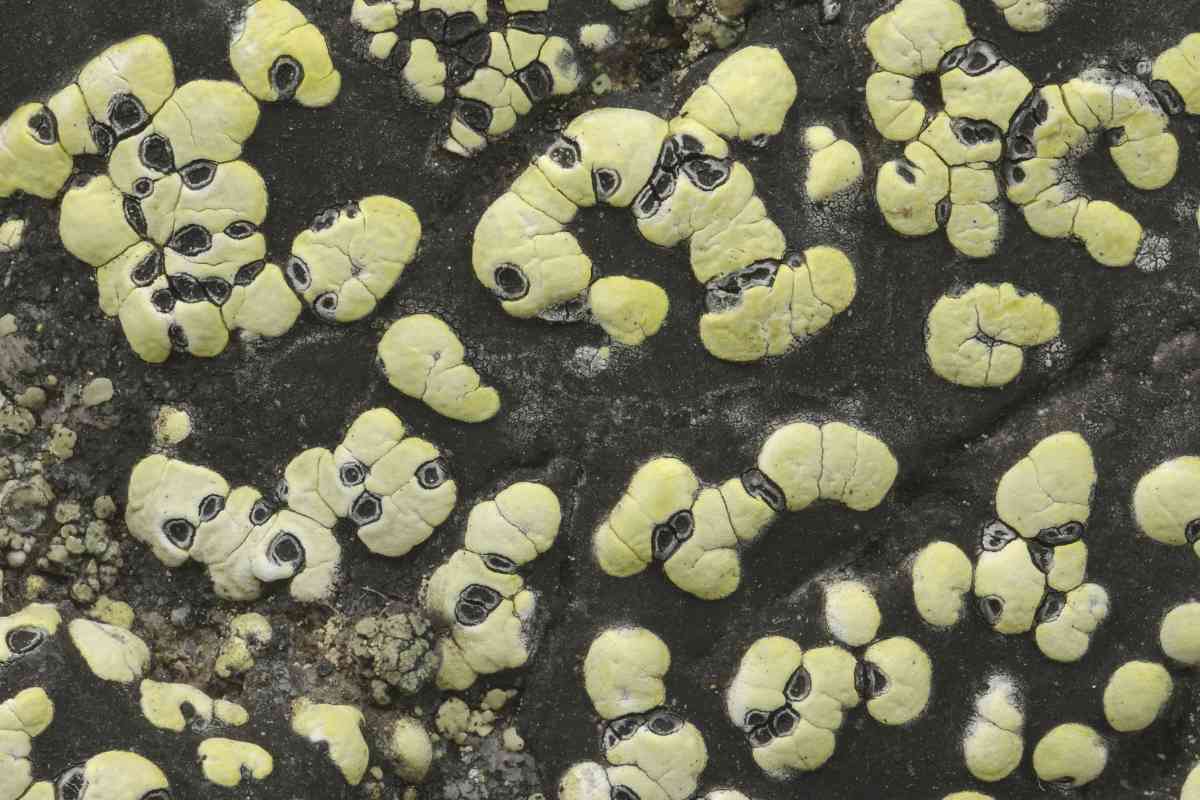
There’s something romantic about lichen. With respect to the birds and the bees, it may be that this mysterious, ancient not-quite plant might serve as a better metaphor for mysteries of human love.
As you may or may not recall from high school, lichen are not one kind of life at all, but two, engaged in a relationship which nourishes them both. One is a fungus and the other is an alga or a cyanobacterium. As in any good partnership, they work together. The fungus provides a structure and protects the alga while, nestled safely inside, the alga photosynthesizes and produces carbohydrates. The fungus feeds the alga via mineral absorption from rock. Its partner offers up as much as 90% of the carbohydrates it produces.
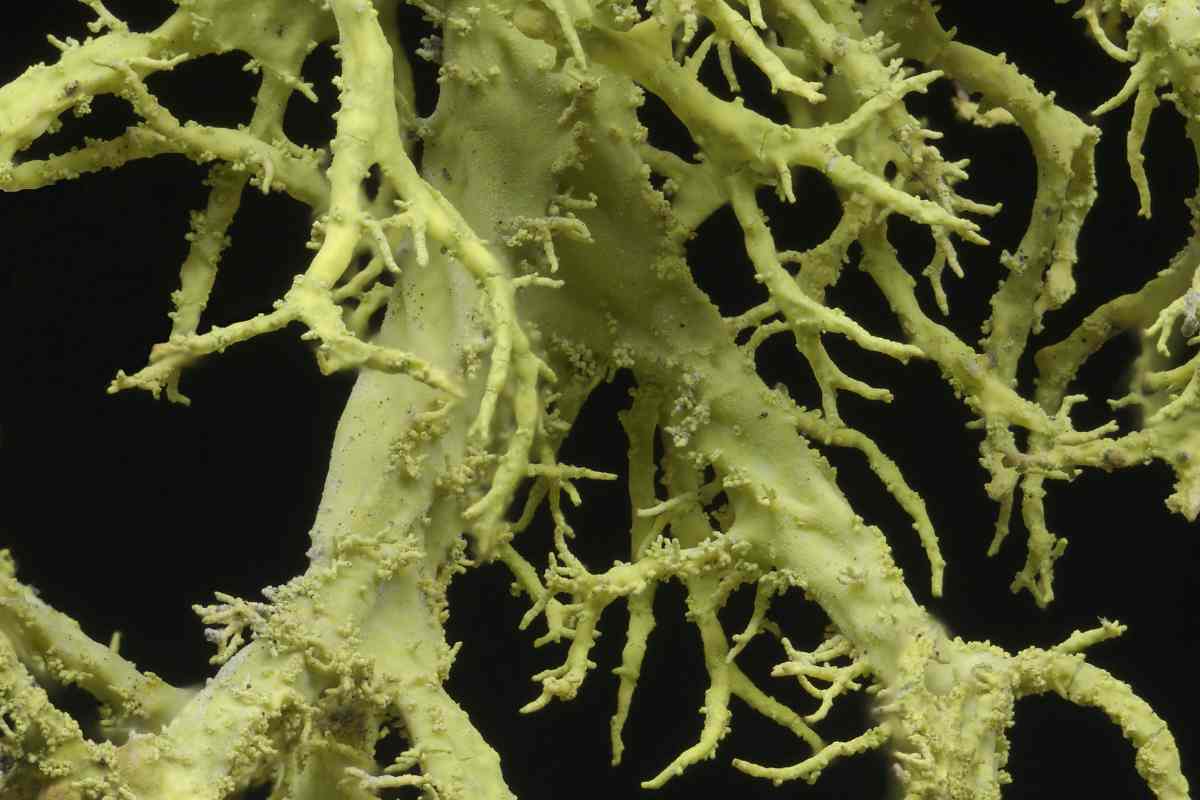
Separate, they are weak. The fungus, called a mycobiont, cannot survive on its own in the "wild," as it were. They have become what is called "obligate symbiotes," meaning that, unlike most fungus, which can generate nutrients from decomposing bodies or by living on the roots of plants, the fungus in lichen are literally unable to live without their counterpart. The alga, in turn, can live alone and sometimes do. But by virtue of their dance with the fungus, they are able to colonize areas they could never reach alone—on exposed rock, in the desert, or in the Arctic.
Plus, the alga or cyanobacteria might be able to survive in mud, or on a tree branch, but it wouldn't be long before a wind or a rain or something else comes and dislodges it. To live life alone is to be more exposed to at least some of the caprices of fate. Their joyful collaboration protects against them. Together, they are capable of creating new chemical compounds together that neither could accomplish alone, such as vulpinic acid, which renders the lichen toxic to carnivores as well as protecting against UV rays, and rhizocarpic acid, which also protects against UV and may have some antioxidant properties that protect the lichen against extreme changes in temperature.
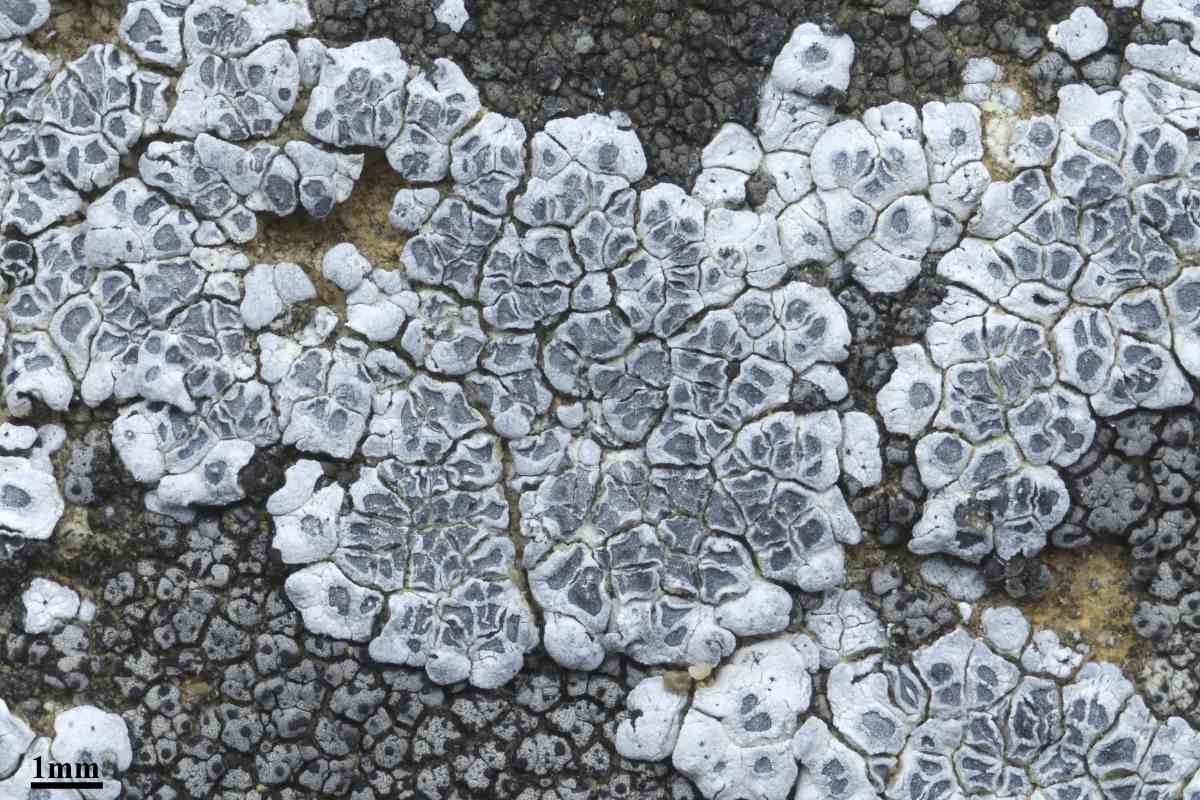
In fact, they work so well together that some scientists think that, if the nutrients are ample enough and in the absence of the few factors that can actually kill them, lichen is functionally immortal and does not grow old. This astonishing quality has prompted Pulitzer Prize-winning poet Forrest Gander to think differently about this wonderful communion between two life forms. "The thought of two things that come together and alter each other collaboratively—two things becoming one thing that does not age—roused me toward considering lichen a kind of model and metaphor for the intricacies of intimacy," he wrote. He has written volumes, incidentally, about the world of lichen and fungus.
Nor is Gander the only poet on which lichen grows, at least as a subject. The poet Lew Welch, in a poem entitled "Springtime in the Rockies, Lichen," writes:
"Let it all die.
The hushed globe will wait and wait for
what is now so small and slow to
open it again.
As now, indeed, it opens it again, this
scentless velvet,
crumbler-of-the-rocks,
this Lichen!"





Leave a Comment Here