The Montana rail stops of Brockton, Glasgow, Malta, Havre, Zurich, and Dunkirk beckoned immigrants to come, stay, and settle, though those burgs bore no resemblance to the originals. And settle they did.
These were some challenging times for travel in Montana, but in the 1930s, when Lolo National Forest West was established, a dirt track was constructed to the resort from Highway 200. Better days were ahead for Martin Quinn's favorite destination, and —through it all—the location stayed in the family name.
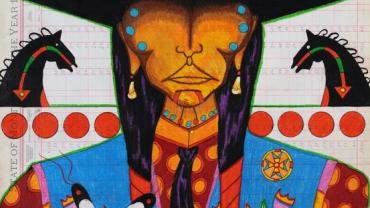
The Baker Massacre—what many Blackfeet call Bear River Massacre because they would rather not speak Baker’s name—is still too vivid and raw for Guardipee to paint. Pepion has never painted it either.
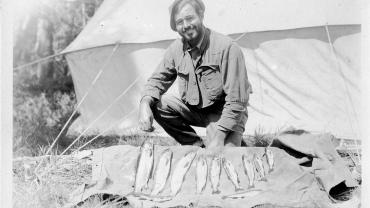
Hemingway’s time in the Yellowstone High Country began on July 13, 1930, when he first crossed the Clark’s Fork and settled onto the L—T Ranch ten miles outside of Cooke City, Montana. The ranch was owned by Olive and Lawrence Nordquist; the “L” and “T” stood for the first and last letters in the latter’s name.
Imagine investigating unknown territory without map or guide. As the point person, you make the first astounding discovery. A hundred-foot waterfall. A herd of tiny striped ungulates gathered around a lake. You call to your companions: wow, look at this!
Paul is a shadow person in my life. He has shaped my life without me being fully conscious of it. When I got into the news business, I discovered that it was exactly where I should be. I’m sure that was partly due to Paul’s example. But he was a negative example, too.
The phrase "words can't describe it" is often used when a person is trying to articulate something either extremely good or extremely bad. And mere words definitely could not describe the extremely bad winter of 1886-87 for the Montanans who experienced it.
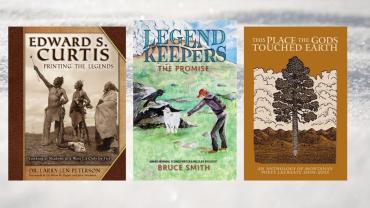
Peterson, author of "The American West Reimagined" and "American Trinity: Jefferson, Custer, and the Spirit of the West," composes studies of the West that are fascinating and philosophical in ways that most history texts are not.
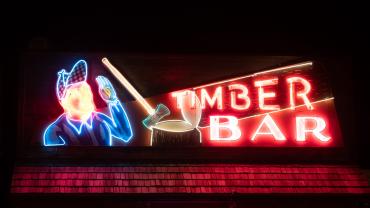
It started with a random photo of the Top Notch Lunch sign in Great Falls. Originally an ice cream parlor, the sign was added in 1938 when the place became a diner. As I sat in a booth near the back of the cafe, enjoying a sloppy joe that was too big to pick up, I knew this sign was just the beginning.
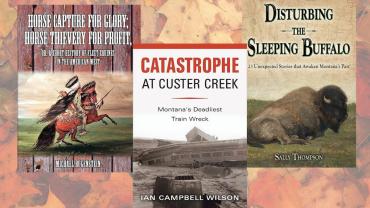
Thompson does Montana a service by finding stories about an underattended Native chief, the burial of a child in Missoula, and more. Each is fascinating, and most are stories you haven't heard before.
Distinctly Montana spoke with Florio about her favorite places in Montana, works-in-progress, what she’s reading, and eating camp stove ramen on book tours. It was a lively and funny conversation that underscored how much she has to offer readers who crave the fast-paced and gritty stories that she tells so well.
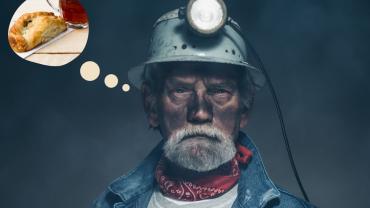
For centuries, the traditional meal of Cornish tin miners was the pasty. Made daily by wives and mothers, pasties were the perfect portable meal: a miscellany of vegetables and meat encased and baked in a D-shaped pastry shell.
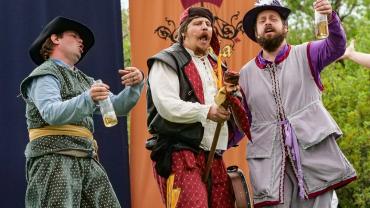
Since its inception, MAT has put on a whopping 231 shows totaling over 1,407 individual performances while annually casting over 100 community members and racking up what might well be 100,000 volunteer hours.
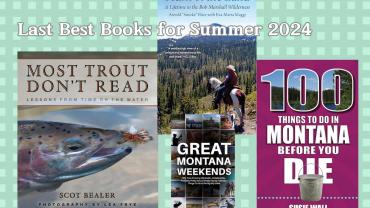
These true tales include terrifying grizzly encounters, the quietly elegiac story of finding a dead man propped against a tree in the Bitterroot, a frantic struggle to stop a spreading wildfire, days spent in the sun and nights spent camping under the stars.
Like the Medical Clinic, all of the exhibits are intended to promote "real-life play." In the wonderfully imaginative displays children will explore a different side of Great Falls, here reimagined as the kid-sized community of "Little Falls."
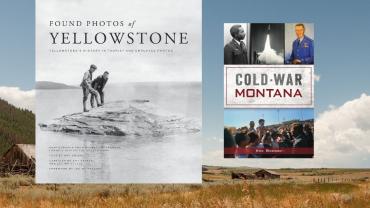
"Found Photos of Yellowstone" offers a beautiful and unexpectedly intimate portrait of America's favorite National Park, a history of the place told exclusively through the antique photos of tourists and employees of the Park.
Two or three weeks after the setting forth of two groups of gold seekers, with their belongings on pack horses, a smaller party, only three persons, rode off in the same general direction, toward the Yellowstone River, but for another purpose. They were going to mark the way that became known as the Bozeman Trail.