
A Quieter Hour at the Heritage Center
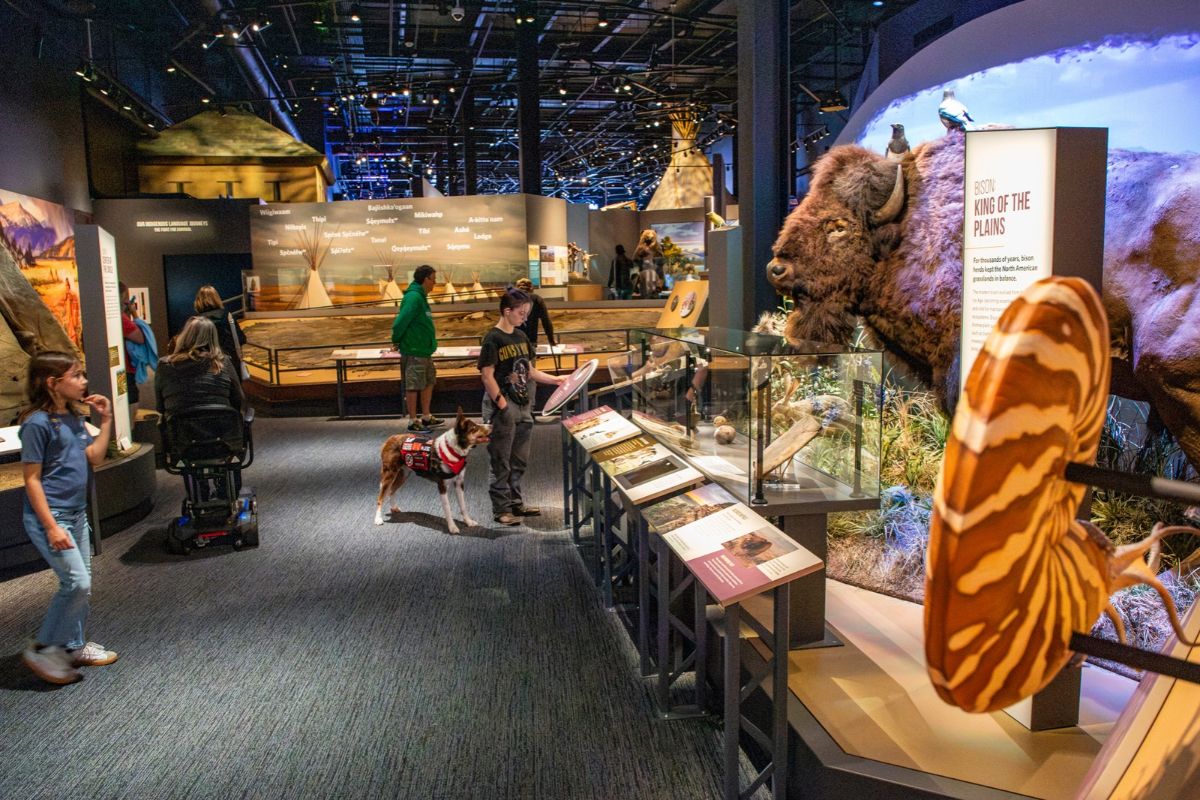
A museum is rarely a silent place. Looping videos murmur in one gallery, music drifts from the gift shop, soundscapes rise and fall as you move between exhibits. For most visitors, that sensory layer is part of the experience. For others, it’s the reason they never make it past the lobby.
Beginning Tuesday, November 3, the Montana Heritage Center in Helena will set aside two hours a month for guests who find the usual museum atmosphere too much to take in. Low-sensory hours will run from 3 to 5 p.m. on the first Tuesday of each month, with the Charles M. Russell Gallery and the Changing Gallery, both already on the quieter end of things, open the full two hours. From 4 to 5, the Montana Homeland Gallery will go quiet too: ambient noise, music, and looping videos switched off. The gift shop’s soundtrack cuts out for the duration, and a decompression space will be set aside for anyone who needs a few minutes away from the crowd.
The Montana Historical Society built the program with AWARE, a nonprofit that supports Montanans with developmental disabilities and mental health needs, along with young children and their families. AWARE staff walked the building with Society employees, flagged which exhibits to turn off, and advised on what a decompression space actually needs to contain. “At AWARE, we help people live independent lives and participate in their communities,” says CEO Matt Bugni, who notes that the organization was glad to share its experience with the Society “as it works to make museum visits more accessible and welcoming for people with sensory needs and their families.”
Visitors who want to prepare can download a Sensory Friendly Visitor Guide, which rates each gallery for loudness, along with a photo-illustrated social narrative that walks through the museum’s spaces room by room. Free sensory kits, stocked with noise-dampening headphones and fidget toys, can be borrowed from the Security Desk in the Central Commons during any visit, sensory hours or not.
For Martha Kohl, who manages outreach and education for the Historical Society, that broader availability is the point. “We want Montana’s history to be accessible to everyone, and that means thinking about more than steps and ramps,” she says. “For some guests, a quieter, calmer museum is what makes a visit possible.”
The Heritage Center is at 225 North Roberts Street in Helena. The full accessibility guide, including the visitor materials, is at mths.mt.gov/about/accessibility; questions and accommodation requests go to mths@mt.gov or 406-444-2694.


Leave a Comment Here