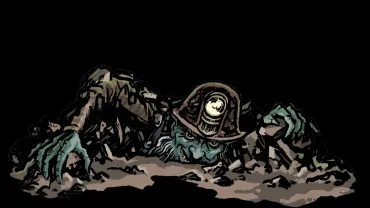
Across nearly every culture, they’re described as diminutive, bearded creatures similar to men, but with longer arms, bigger heads, and some degree of supernatural powers.
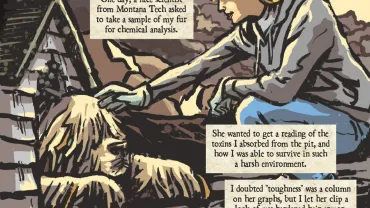
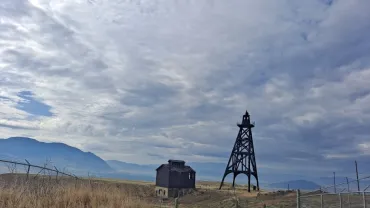
How I got into the pit isn't worth mentioning, and I don't remember much about it, anyway. The important thing is that I came here in 1986, to protect Butte, the Pit, and everything around it...
Lynching at the hands of a group of self-appointed vigilantes was employed in many mining towns across the Western U.S. in the mid-nineteenth century, including Montana. With the legal structure of courts, lawyers and judges lagging well behind the growth and the ensuing lawlessness of each gold strike, expedience was sometimes the preferred instrument to establish “law and order.”
In hard rock mining, the "nipper" is an entry-level position for someone, usually young and potentially a child, who assists the miners in getting them fresh equipment, exchanging out old bits, and fetching whatever the miners need. In the Butte of 1911, child labor laws were still far down the road, the job was often occupied by twelve to nineteen-year-old boys
And when Montana experienced its own gold rush, many Chinese came to Bannack and Virginia City to seek their fortunes; the first mention of Chinese arriving in the area was in an 1865 issue of the Virginia City newspaper The Montana Post, which groused at the arrival of a small group of gold-seeking Chinese workers.
Montana author Allen Morris Jones, is the author of poetry collection and 2023 Montana Book Award honoree Mumblecusser, novels like Sweeney on the Rocks, and the non-fiction classic A Quiet Place of Violence: Hunting and Ethics in the Missouri River Breaks. But in our household, he's probably best known as the writer of one of our favorites, Montana For Kids.
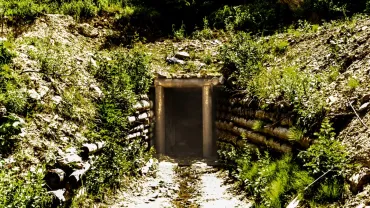
The crucial role of the Anaconda Copper Mining Company and other big mining enterprises in World War II materials production is widely appreciated. Less so is the contribution of Montana’s many small-scale mine operations.
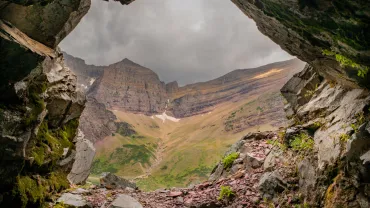
It may surprise many, as it did me, that there are actually abandoned mines and oil wells located within Glacier. The three decades prior to Glacier officially gaining national park status saw a frenzy of mining activity.
Jewish traditions hold that the Ten Commandments were engraved on sapphire tablets. Some may be legend or myth, but there’s no denying that sapphires have an air of mystery and magic, not unlike Montana.
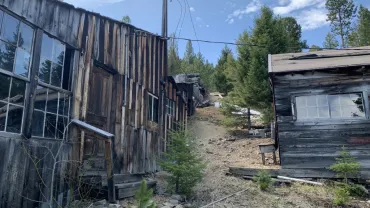
The mine’s employees were often paid in “shin-plasters” and “brass checks.” A shin plaster was a derogatory name for paper scrip. Often of absurdly low denominations, they had the reputation of being as worthless as any slip of paper the men used as padding in their socks to keep their boots from rubbing on their shins.
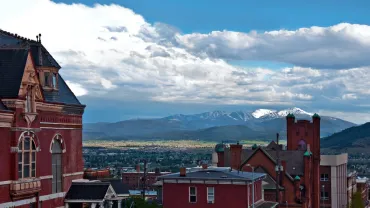
You already know the story: thousands of immigrants, arriving at Ellis Island, carrying signs bearing the name of their intended destination. They read, not "Butte, Montana," but "Butte, America." Because Montana, one of the biggest states in the Union, was too small to contain the legend of the Mining City.