
Hardwood Dreams on the High Plains
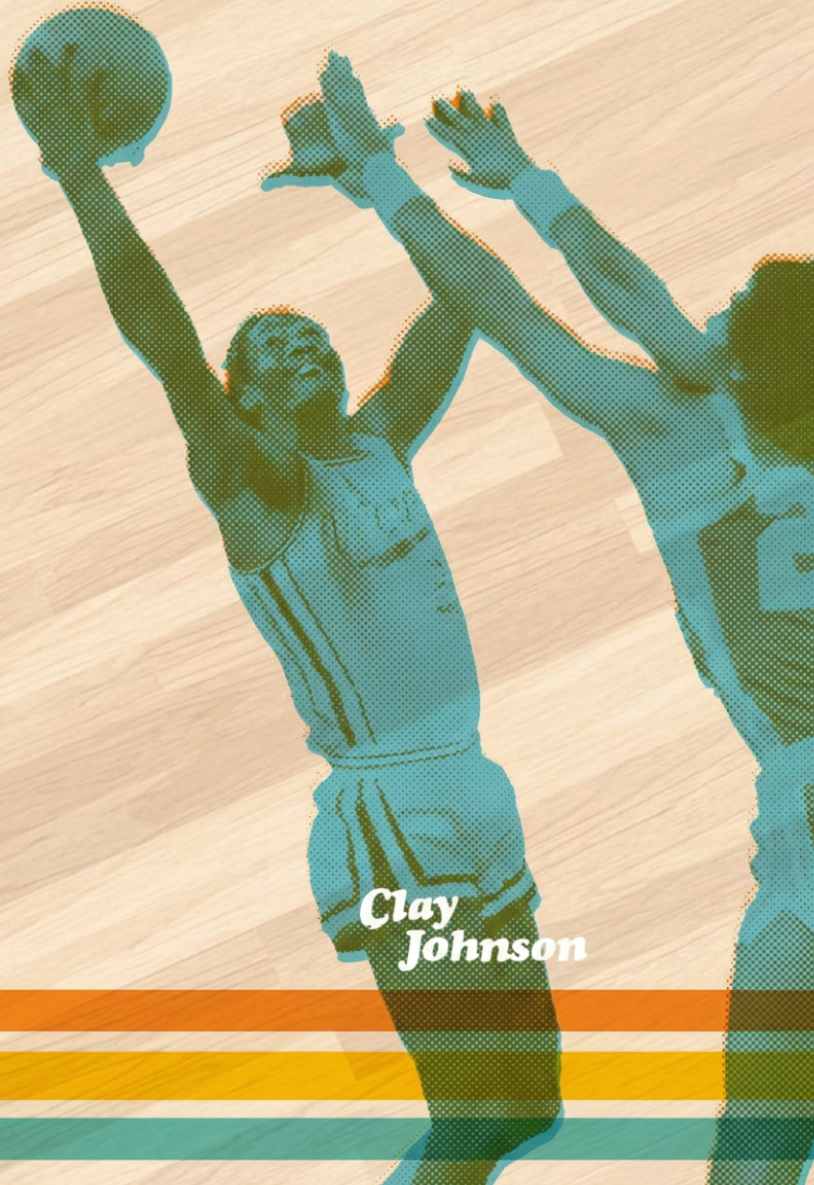
As an assistant coach at his alma mater, Metropolitan Community College in Kansas City, Clay Johnson saves a few minutes of practice each day for story time. The team lines up on the baseline underneath one hoop, and he chooses the tale of the day, sometimes with input from the players.
"Tell the one about Magic and the 'Johnson' jerseys." "Tell the one about your dunk in the NBA Finals." "Tell one about Lenny Wilkins."
Many of the stories are from his days on the sport's biggest stages, about playing alongside Magic Johnson (no relation) on the Los Angeles Lakers, winning the 1982 National Basketball Association title, and making another playoff run a year later with the Wilkins-led Seattle SuperSonics. Yet before Johnson broke through to the limelight, he spent years navigating the fault line that separates being on the inside looking out and the outside looking in. At the time, most of those in the latter category were doing so from the markets of the Continental Basketball Association, outposts like Rochester, New York; Anchorage, Alaska; and, in Johnson's case, Billings, Montana.
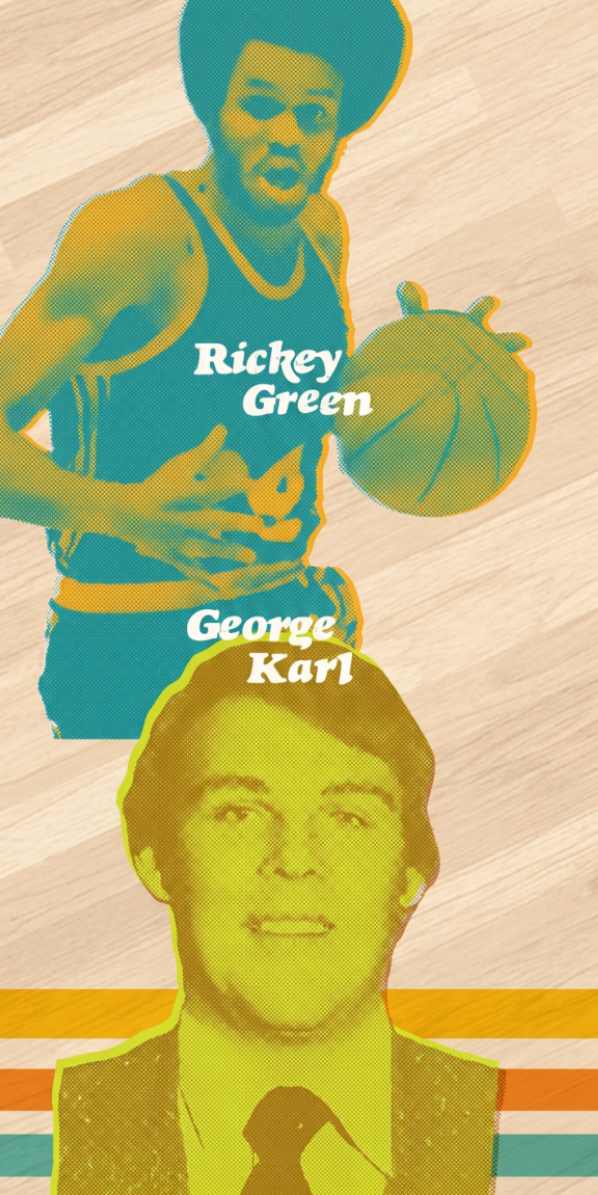
In the 1980s, every player in the CBA was just one call away from the NBA. Every night was an audition, and the result was high quality basketball. From 1980 through 1983, Montana had two CBA clubs: the Billings Volcanos and, three hours west, the Great Falls-based Montana Golden Nuggets. A few who passed through, guys like George Karl, Rickey Green, and Terry Stotts, would later become household names in the NBA. Some, like Johnson, enjoyed a small taste. For the vast majority, the phone never rang. When it did, when somebody made it, they all celebrated. It's as good a lesson as any for a young basketball team, a chapter built on persistence and camaraderie rather than glamour and stardom. So when Johnson tells stories to his team, he doesn't leave it out.
"They know about Billings," he says.
The Continental Basketball Association's geographic timeline is told in the names it held. Founded in 1946 as the Eastern Pennsylvania Basketball League, it predated the National Basketball Association by a matter of months as the nation's oldest professional basketball league. The EPBL expanded into surrounding states like New Jersey, Connecticut, and Massachusetts and, in 1970, rebranded as the Eastern Basketball Association.
The curious moves began in 1977, first with the addition of the Anchorage (Alaska) Northern Knights. The new franchise beget another rebrand, this time as the Continental Basketball Association, and was followed in short order by the establishment of the equally far-flung Hawaii Volcanos (spelled without an e). Hawaii entered the league in 1979 under the proclamation that part-owner Wilt Chamberlain would suit up for at least some of the team's games. It never happened, and the team struggled during the inaugural season in Honolulu. By season's end, majority owner Jim West decided to move the team to Billings, Montana.
West kept the team's mascot, and the Billings Volcanos played home games in still-new, 10,000-seat Metra Arena, the state's largest concert venue. Just two years later, during the 1982 offseason, President Reagan would visit, riding in on a stagecoach and with a cowboy hat in tow to help the city celebrate its 100th birthday.
"We had the best arena in the league because ours was an actual arena," remembers Johnson, who played for the team in both Hawaii and Billings. "It's a real arena. This ain't no high school gym."
The high school gym, it turned out, would house their new rivals. On August 13, 1980, shortly after the Volcanos touched down in the Treasure State, a Helena insurance salesman named Ron Iverson announced the establishment of a second Montana-based CBA team: the Montana Golden Nuggets. Iverson had grown up loving basketball in the small town of Belgrade, and had already helped bring a successful AAU team in the Helena Americans.
"So I figured I knew enough about basketball to go ahead and start the Western Division of the CBA," Iverson chuckles.
That year, in addition to the birth of the Golden Nuggets and relocation of the Volcanos, the Alberta Dusters set up shop in the agricultural Canadian town of Lethbridge, where local residents were allowed to swap grain for season tickets. The two new franchises, the relocated Volcanos, and Anchorage formed a full-fledged Western Division.
Iverson hired San Antonio Spurs Assistant Coach George Karl, only 30 years old, as the head coach. On November 21, 1980, 1,800 fans packed into the Fieldhouse at Charles M. Russell High School for the team's season-opening victory over Alberta. A few nights later, 3,033 came out to see the team take on Anchorage.
Still, financial woes mounted almost immediately for Iverson. Great Falls Public Schools' gym rental fees averaged about $700 per game, plus a five percent concessions commission. Additionally, each team was responsible for its own travel costs to away games. Fan excitement quickly fizzled, and by the end of the regular season the Golden Nuggets were drawing less than 1,000 fans per night.
Montana breezed to the 1981 CBA Finals, but the series almost didn't happen. A retrospective 1983 article in the Great Falls Tribune reported that Karl paid out of his own pocket during the season to help get the team across the finish line and that he gathered the players prior to leaving for the finals in Rochester, New York, and informed them that he wasn't sure if or when they would be paid for the games. He left it up to the team whether or not they wanted to play. They decided to make the trip, but were swept, 4-0, by the Rochester Zeniths. Iverson sold the team in July of 1981 after just one season.
"I lost $165,000," he recalls flatly.
Former gubernatorial candidate Dick Dzivi stepped in as team president. He, along with the other members of the new ownership group, negotiated financial concessions from the league including airfare for western division teams. The group also sold stock in the team to the public, and the NBA agreed to contribute $200,000 to the CBA during the 1981-1982 season as part of a player development contract.
But life in the CBA was still bumpy. No team's payroll surpassed $45,300. Players shared apartments, cars, and hotel rooms. On the road, adversity and unforeseen circumstances were almost a given. On a trip to Alberta, the Golden Nuggets arrived at the Canada Games Sportsplex to find that the guest locker room was unbearably frigid. The players turned on all of the showers to create hot steam. As an article from the Kansas City Times in 1982 noted, the players got ready "like fishermen readying their nets in an early morning fog."
On a different Golden Nuggets trip to Canada, the team arrived at the arena to find a note on the door that the game was being moved. The new location was a middle school gym where one of the rims was badly bent. It was decided that, as the hosts, Alberta would play the entire game shooting on the warped basket.
"We didn't switch at halftime," remembers Montana forward Rob Spear. "That was an interesting trip."
Spear was a roster anomaly in that he was homegrown. After becoming a schoolboy legend during his high school career at Butte Central, Spear moved on to play for College of Great Falls (now University of Providence). Almost none of the other players who signed to play in Billings and Great Falls had ever even visited Montana before.
The winters were an adjustment. Johnson bought a 1969 Buick LeSabre for $350 upon arriving in Billings and quickly learned to park the car as close to his apartment as possible each night.
"You run out there with a long extension cord, pop your hood, stick that dipstick thing down in the heater so tomorrow your car would start," he recalls. "If you didn't do that, it wouldn't start."
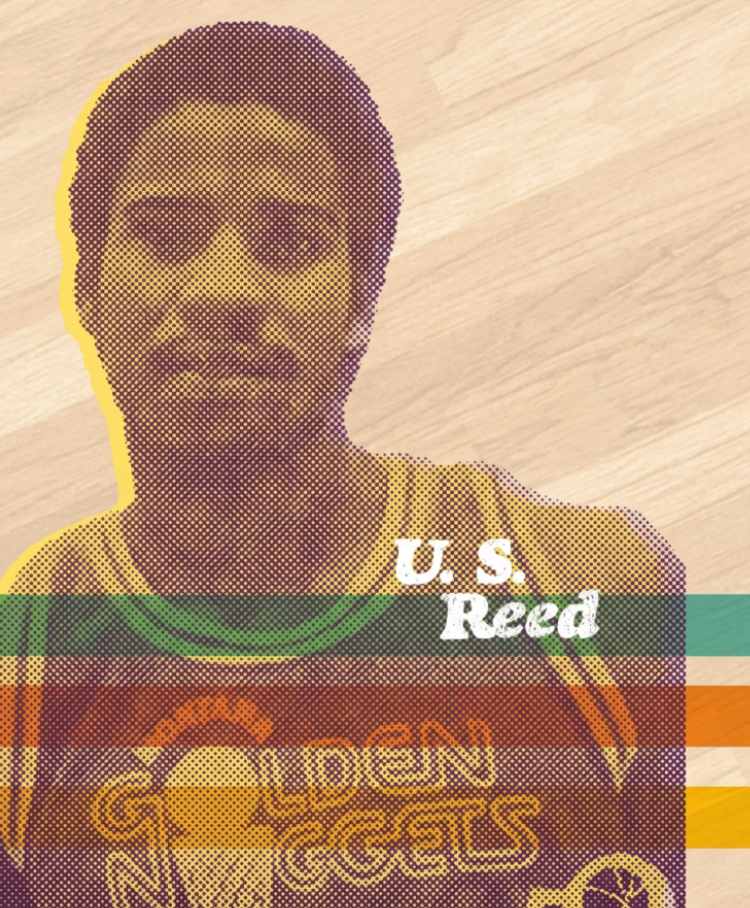
U.S. Reed grew up in Arkansas and stayed home to play college ball for the University of Arkansas Razorbacks. After being drafted in the fifth round in 1981, he failed to make an NBA roster and instead signed with Montana.
"It was beautiful country," he remembers of arriving in Great Falls. "You're riding through the country, you see bald eagles and pheasant and all that kind of stuff. Man, it was an experience."
For trips to the east coast and Alaska, the teams flew. For trips to Alberta, they took a bus. To play each other, they piled into multiple personal vehicles and caravanned across the state.
"First time I was in a blizzard," remembers Reed of one such trip. "In George Karl's station wagon."
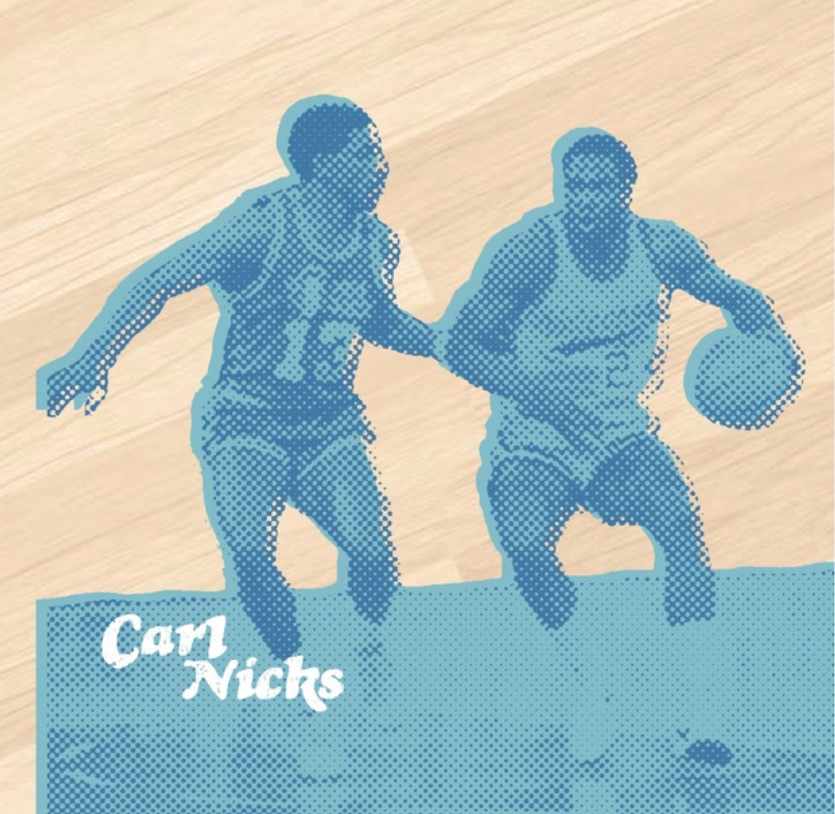
Some players like Carl Nicks, who played for the Volcanos during the 1982-1983 season, arrived after already having experienced the comparative opulence of the NBA. After playing alongside Larry Bird at Indiana State University, Nicks suited up for both the Denver Nuggets and Utah Jazz before signing with Billings. Adding to the adjustment of moving down to the CBA was the fact that Nicks had met his girlfriend—now wife—in his hometown of Chicago just before moving to Montana. She stayed in the city when he moved west, and the distance hurt both his heart and wallet as he racked up long distance charges on the payphone outside of his apartment.
"At times it was a lonely situation, so far from home," Nicks remembers. "I was still young and trying to find my way back in the league. Thank God I had some good teammates."
Camaraderie was essential. Off nights meant cards, backgammon, and listening to music together. Nicks even cut hair for teammates and visiting opponents in the apartment he shared with teammate Bobby Cattage.
Friendship, according to Clay Johnson, "kind of got us through."
"It was cold outside, nothing really to do but get together at different apartments and just hang out," he remembers. "Everybody knew that it could have been our last straw, might never make it to the NBA, but we didn't think like that. After a while, we just forgot about the NBA. We were there making our little $300 a week, trying to manage to save money."
Everyone was. As a means of cutting travel costs, the league increased the number of regular season matchups between the Montana teams to 16 for the second season in 1981-1982. The two teams traversed the state until they were ragged, road-weary, and sick of one another. Guys were playing for the same NBA roster spots. It was combustible.
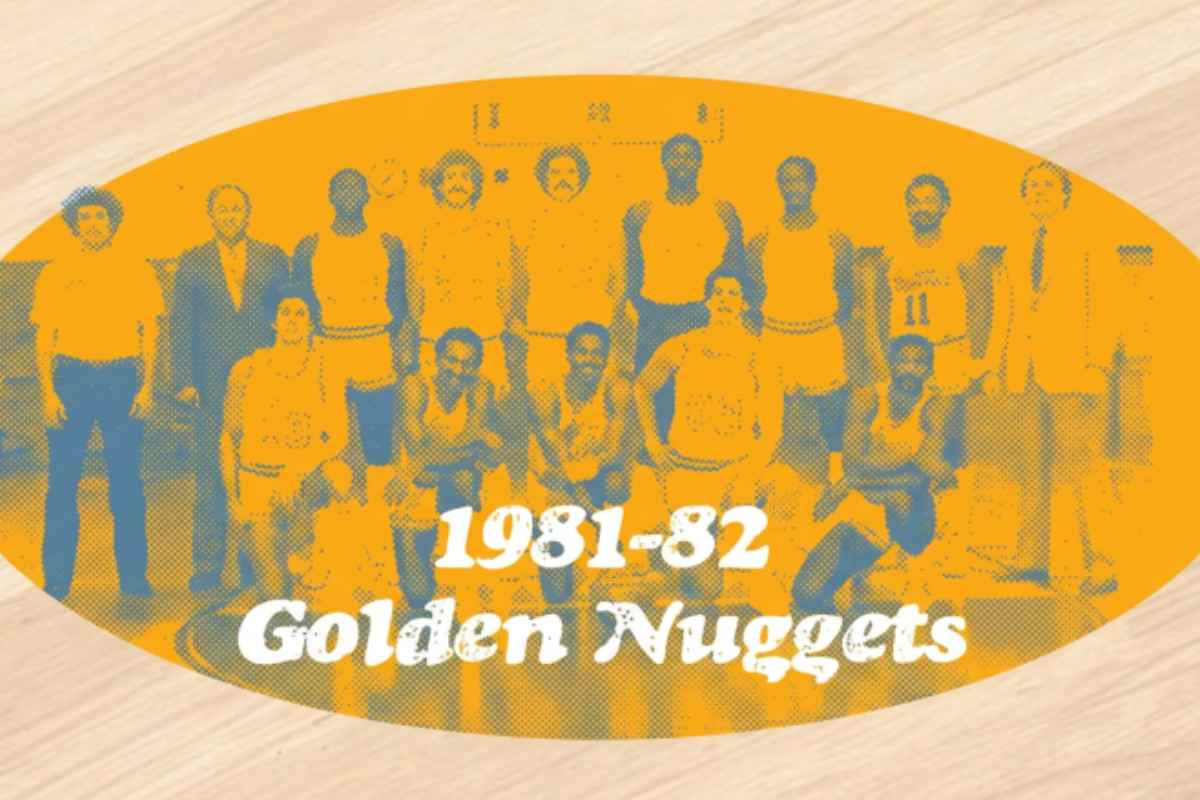
"I don't know how much I can improve playing Billings 16 times," Montana forward and current Golden State Warriors Assistant Coach Terry Stotts told the Kansas City Star at the time. "Basically I'm playing against Marlon Redmond 16 times. He knows my moves. He knows I'm going to fake and turn. I know he's going to drill it."
On March 3rd, 1982, in what was the final of the 16 regular season matchups, Sam Clancy, Billings' 6'7", 260-pound power forward who would later make the jump into professional football, earned a three-week suspension for clocking league MVP Ronnie Valentine between the third and fourth quarters.
"If you ever watched the old NBA type film, the hard fouls and the physical nature of the game, it was that and more at the CBA level," remembers Spear, Valentine's teammate on the Golden Nuggets. "Some guys had chips on their shoulders that were playing in that league, wanted to play well in that league, and so it just created an atmosphere where there was a lot of hunger and desire from the players to do well."
As if to tempt fate, the two teams met again in the playoffs a few weeks later for what would be five more games. Billings avenged its postseason loss to Montana the previous season by winning the series 3-2. Two of the three victories were by just a single point, including the series-clinching game five victory in front of 2,212 at the Metra to advance to the 1982 CBA Finals.
The championship series marked Clay Johnson's call-up to the Lakers. He received the news in his Pennsylvania hotel room hours before game four of the championship series against the Lancaster Lightning. After nearly three seasons across Hawaii and Billings, that night's game was his last game as a Volcano. Billings dropped the series to Lancaster, but a few weeks later, Johnson's former teammates were watching on television as he became an NBA champion. After the game, standing on a chair in the corner of the locker room in The Forum and surveying the celebratory scene, Johnson thought of them.
"I knew they were there with me," he says.
The following season, 1982-1983, it was Karl and the Golden Nuggets who returned to the CBA finals, pushing the newly-established Detroit Spirits to seven games before falling. Despite the two Montana teams representing the west in the finals in all three of their shared seasons, the teams' financial issues were becoming impossible to ignore. Attendance was still down and the NBA had declined to renew its development contract. The Billings Volcanos folded in July of 1983. The Golden Nuggets followed suit on August 1st, selling the franchise to the league for a reported $180,000 to be reissued in Puerto Rico. Just as they had come to Montana together, the two teams left together.
Most Golden Nuggets and Volcanos players eventually joined other franchises. U.S. Reed moved on to the Wisconsin Flyers. Carl Nicks made another jump to the NBA before returning to the CBA to play for the new Toronto franchise. Following his run at glory, Clay Johnson eventually returned to the CBA, playing for both the Sarasota Stingers and Evansville Thunder. Even George Karl, after stints with Cleveland and Golden State in the NBA, returned to coach the Eastern Division's Albany Patroons for the 1988-1989 and 1990-1991 seasons.
In 2000, after decades of both official and loose affiliation with the CBA, the NBA started its own developmental league in the National Basketball Developmental League now known as the G-League. In 2006, four of the CBA's eight teams left to join the NBDL. California-based Apex Sportstainment tried to fill the void with two new Montana-based clubs: the Butte Daredevils and the Great Falls Explorers. Interest was low, and both teams folded in 2008. The entire CBA ceased operations a year later.
In the summer of 2015, for the first time since he was called up by the Lakers, Clay Johnson returned to Billings to help put on a youth basketball camp. The city population had nearly doubled. The First Interstate Center, the state's tallest building, now loomed over downtown. Even the Metra arena looked different due to the remodeling required after the devastating 2010 tornado.
For Johnson, the change was neither disheartening nor exciting. If anything, it barely registered. He couldn't recall a restaurant he wanted to return to or even where his old apartment was. He felt nostalgia but it wasn't tied to the cityscape.
"I remembered the people," he recalls. "I remembered all the people."
He took out his phone and called his best friend, Rickey Green. Like Johnson, Green played in the NBA and was even named to the league's 1984 All-Star game. They had taken different routes to the peak of their sport, but their friendship was formed playing for the Volcanos, both in Hawaii and then Billings. Green answered the phone.
"You'll never guess where I am," said Johnson.
Enjoyed this story?
Montana has more layers than most people ever see.
Distinctly Montana finds them, four times a year. Subscribe and get every issue.



Leave a Comment Here