
Get to Know Wibaux County
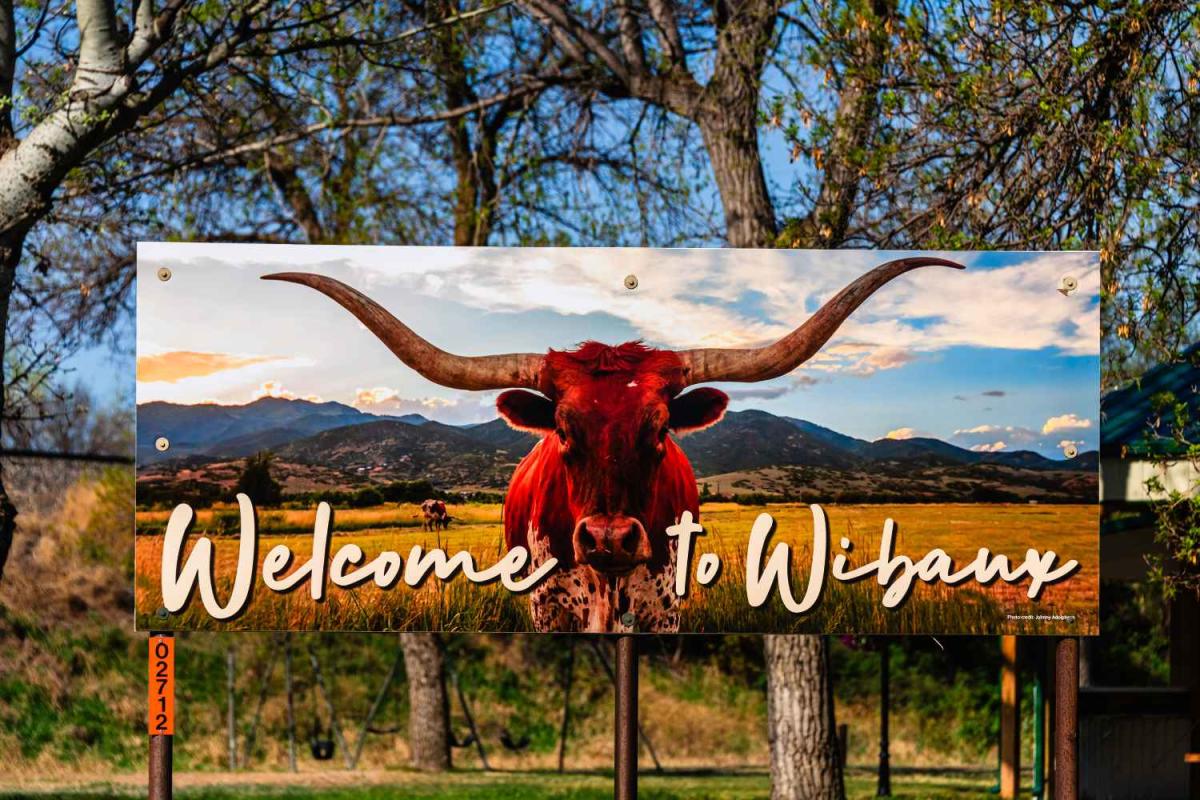
On Montana's far eastern edge, Wibaux County is easy to cross quickly (Interstate 94 takes just 14 miles to cross the county east to west) but it is well worth slowing down for. A place of shortgrass prairie, coulees, gumbo roads, and cattle history, the county and its seat still carry the name of one of the most colorful stockmen ever to work the northern plains.
Created on August 17, 1914, from parts of Dawson, Fallon, and Richland counties, the county is named for Pierre Wibaux, the French-born cattleman whose operations helped make the area an important center of the open-range cattle business. At about 889 square miles, Wibaux is third smallest of Montana's counties by land area. Only Deer Lodge and Silver Bow are smaller. Its 2020 census population was 937, and the Census Bureau's 2025 estimate places it at 885 residents—53rd among Montana's 56 counties. The county seat is Wibaux, the county's only incorporated town, and Montana license plates identify Wibaux County as number 52.
Long before survey lines divided this corner of Montana into counties, indeed before Montana existed, Indigenous people used this country as part of the larger northern plains. The region lay within the world of bison, seasonal movement, trade, hunting, and conflict among Plains peoples, including Lakota (Sioux) and other groups whose presence long preceded Euro-American settlement.
The railroad changed the future of the area. The Northern Pacific gave ranchers access to outside markets, and by the late 19th century the open range supported large cattle outfits. Homesteaders followed in the early 20th century, bringing schools, post offices, small communities, and expectations that the land could support dryland farming. Some of those hopes proved hard to sustain. Drought, distance, and poor prices thinned out the population, but the people who stayed shaped the county that remains.
The figure most closely tied to that story is Pierre Wibaux. Born in Roubaix, France, in 1858, Wibaux came from a prosperous textile family. His father reportedly opposed his decision to leave the family business, but still gave him about $10,000 when he came to America in 1883—roughly $325,000 in today's purchasing power. It was not exactly a shoestring beginning, but neither was success guaranteed.
Wibaux spent time in Chicago studying the cattle business, then came west during the same era as the Marquis de Morés, another French entrepreneur drawn to the northern plains and a fascinating character in his own right. Wibaux proved the more durable cattleman. After the disastrous winter of 1886-87, he bought cattle and land from ruined ranchers, rebuilt, and expanded. His ranching interests made him one of the great cattle kings of eastern Montana and western Dakota Territory.
He also knew Theodore Roosevelt, whose Maltese Cross and Elkhorn ranches were near Medora, North Dakota—half an hour away today, but a considerably longer trip in the 1890s. Wibaux's town became a major cattle shipping point on the Northern Pacific, and cattle from Roosevelt's Badlands ranches were reportedly shipped through Wibaux. At the turn of the 20th century, this was not a sleepy prairie town but one of eastern Montana's important livestock shipping hubs. There is a story recounted in Roosevelt's memoirs in which TR, hearing shots inside a Wibaux (then called Mingusville) bar, walked into the bar where the drunk shooter challenged him and called him "Four Eyes." Roosevelt stepped up to the man and knocked him out. Just another day in old-time Wibaux.
Wibaux's wealth was substantial. When he died in Chicago in 1913, his estate was valued at more than $515,000—well over $17 million in modern purchasing power, depending on the inflation measure used. His wife and son lived and died in Paris and were buried at Père Lachaise, as were Jim Morrison, Oscar Wilde, Chopin, Edith Piaf, and many other famous celebrities. Wibaux, however, left instructions that tied him permanently to Montana. His ashes were placed beneath or near the statue that still looks over the town bearing his name.
His legacy was not only financial. He was a benefactor in France, especially in Roubaix, where his philanthropy supported public and charitable works. In Montana, his most visible gift is St. Peter's Catholic Church in Wibaux, still one of the town's defining landmarks. Wibaux Park in Miles City (Custer County) also carries his legacy.
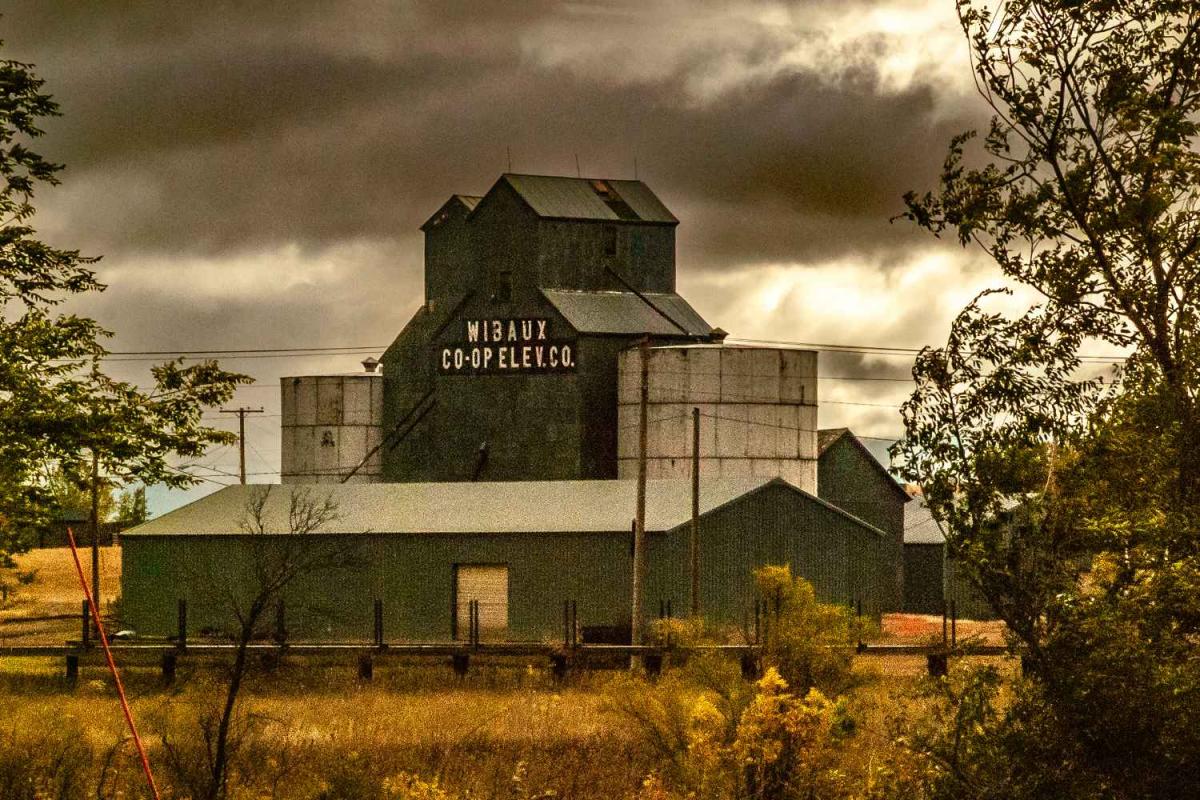
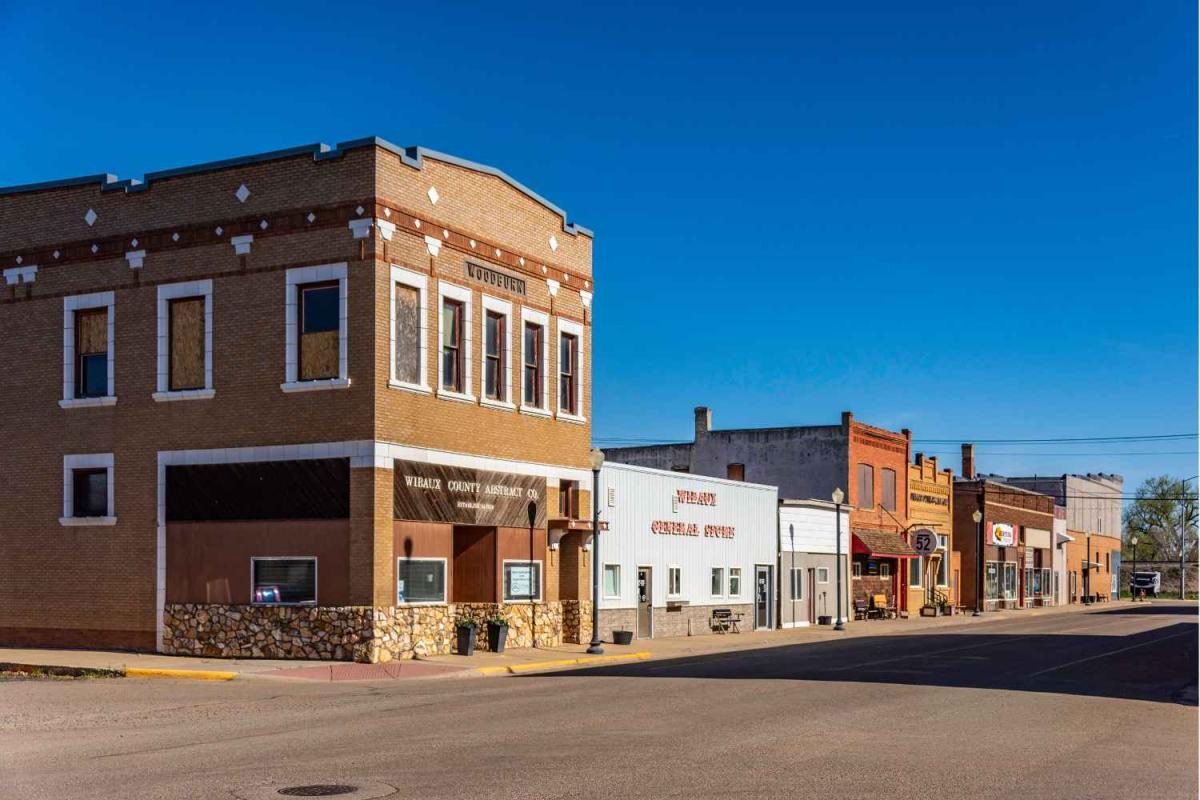
The town of Wibaux itself began under other names, including Beaver and Mingusville, before taking the cattleman's name. Its location near the North Dakota line helped make it the "Gateway to Montana," but the railroad made it matter. Stockyards, shipping pens, hotels, stores, and saloons once served ranchers, railroad workers, homesteaders, and travelers. The town's history is inseparable from cattle, rail, and the people who came through with hopes of making a living on the plains.
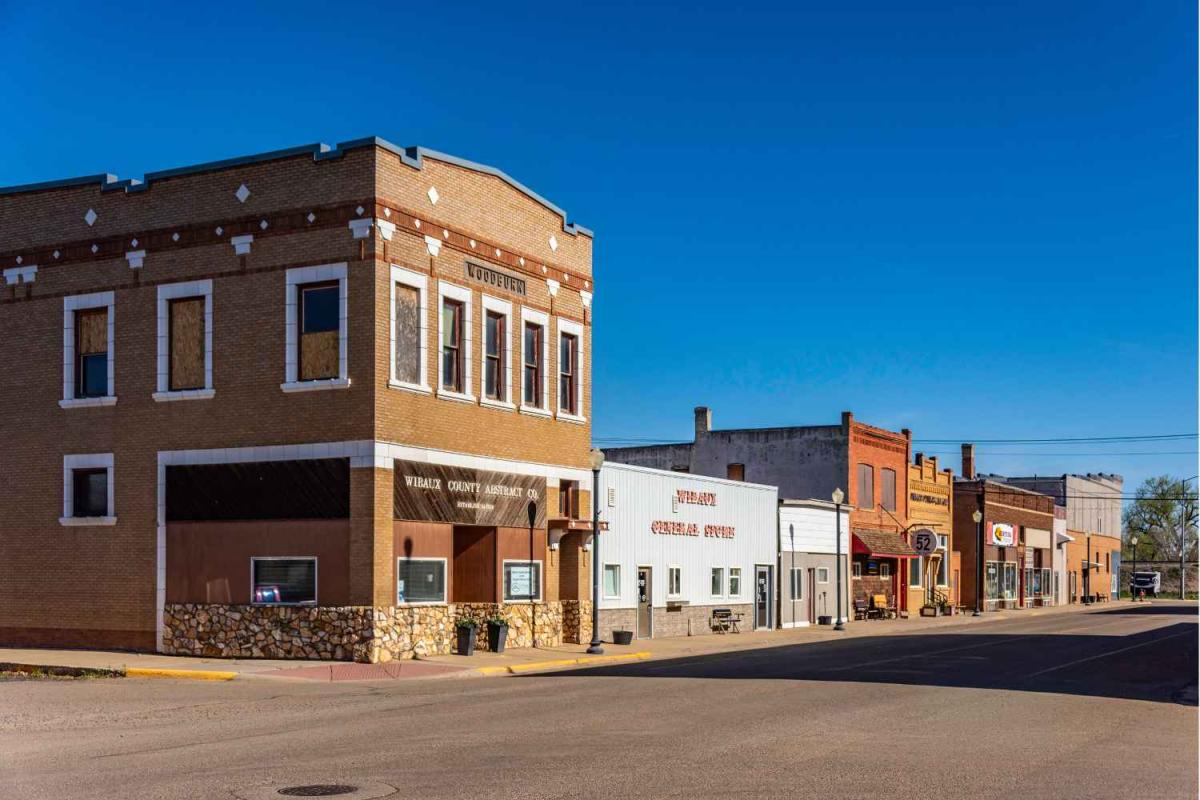
Today Wibaux is quieter, but it has not lost its sense of identity. The town's historic district, St. Peter's, the Pierre Wibaux Museum, and the statue west of town all help preserve the story. So do newer businesses, including Beaver Creek Brewery, established in 2008 in Wibaux's historic district. Housed in a remodeled 1914 building, the brewery is a good example of new rural enterprise built inside an old town's bones.
Other Wibaux County communities did not fare as well. Carlyle, Yates, and St. Phillip appear on maps and in local memory, but they no longer function as the centers they once were. Like many eastern Montana places, they grew around post offices, schools, rail access, churches, or nearby ranching and farming populations. As transportation changed and rural population declined, their public life faded. What remains are cemeteries, scattered buildings, road names, and stories.
Agriculture remains the county's economic foundation. Cattle ranching is still important, fitting a landscape better suited to grass than dense settlement. Dryland grain farming, hay production, and related agricultural services also matter, though moisture is always the limiting factor. The county's economy has never been large, but it has been persistent.
Recreation here is not organized around big, developed parks so much as open country. Hunting draws people for deer, antelope, and upland birds. Wildlife watching, backroad drives, photography, and quiet exploration are part of the appeal. Lamesteer National Wildlife Refuge adds 800 acres of protected wildlife habitat within the county, but note that the land is all in private hands and is closed to the public. Montana's largest state park, Makoshika State Park near Glendive, offers a larger badlands destination one half hour away by Interstate 94.
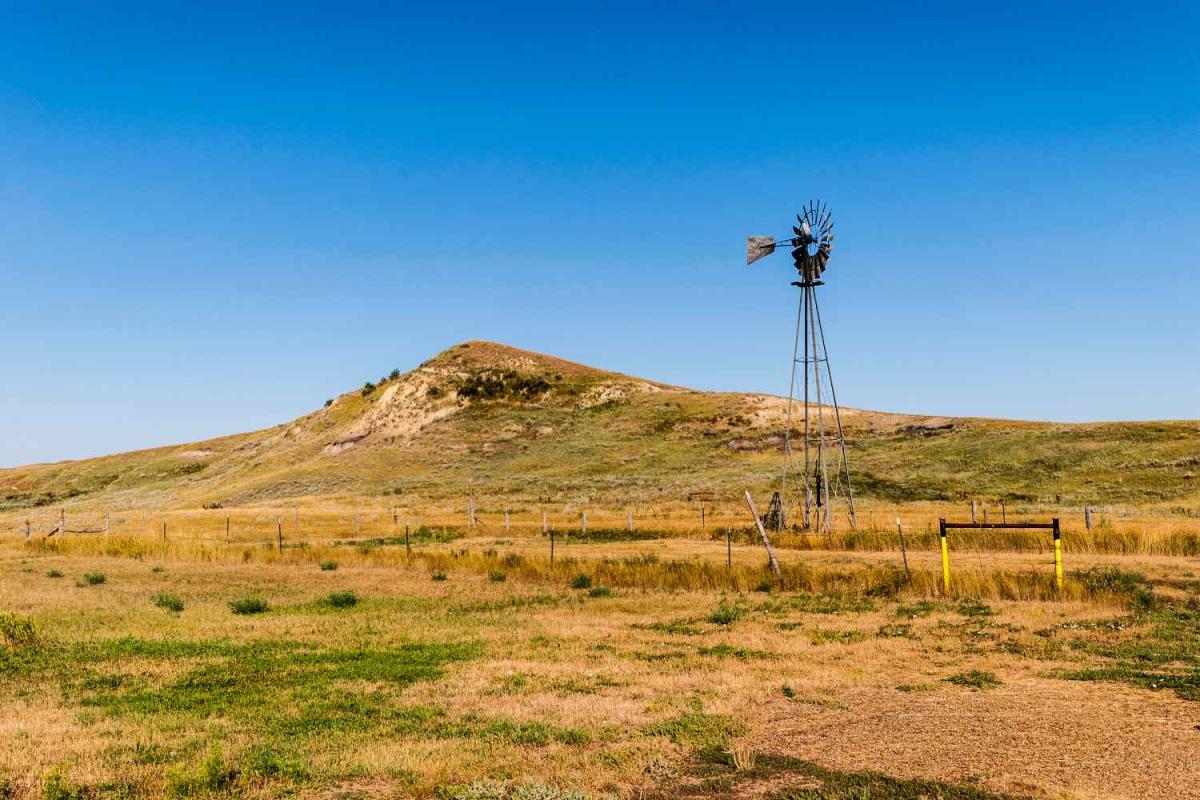
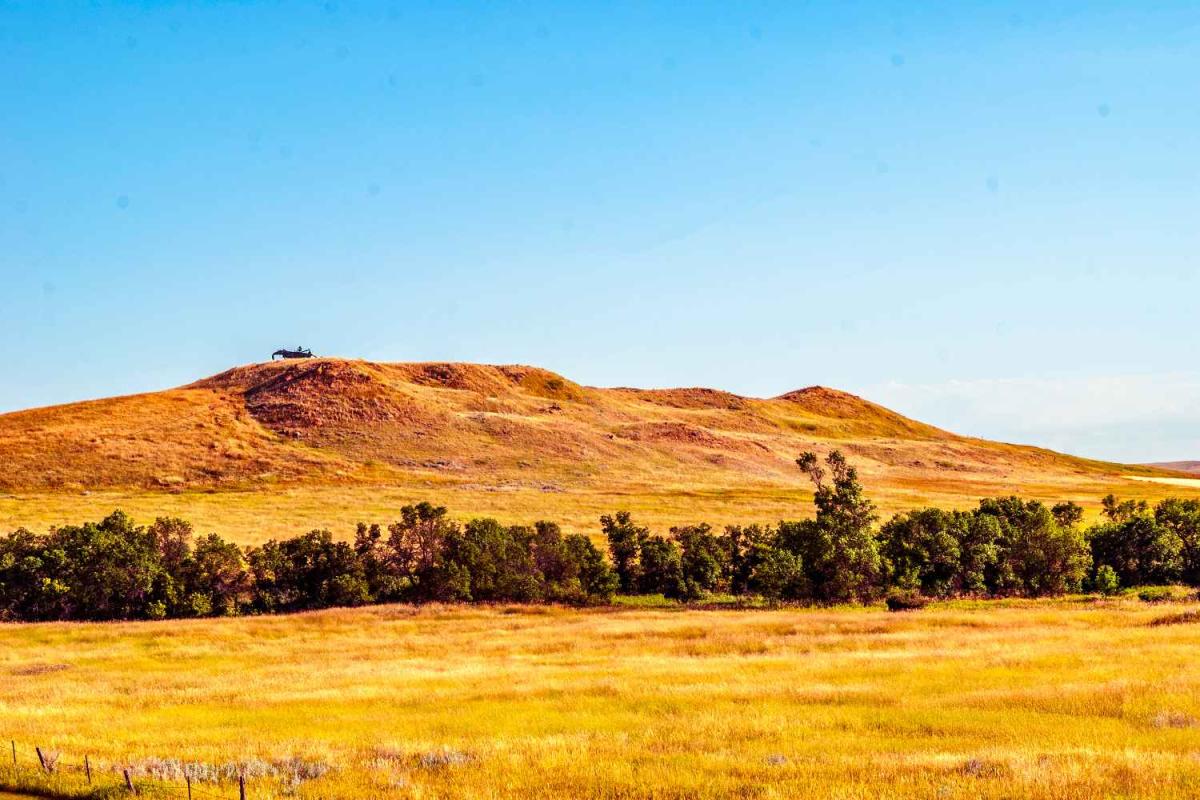
Topographically, Wibaux County is mostly prairie, but not plain in the dull sense. The land rolls, breaks, drops, and cuts into coulees and badlands formations. The website Peak Visor lists eleven "mountains" in Wibaux County. Note that the tallest of these "mountains" is less than 3,100 feet, and the most prominent rises only 443 feet above the valley floor. Beaver Creek and smaller drainages shape much of the local geography. The Yellowstone River touches the county only briefly—just under three miles along the northwestern boundary with Dawson County—so it should not be treated as a dominant feature. This is mainly a county of grass, breaks, wind, and sky.
Wibaux County may be small in population and area, but its history reaches far beyond its borders: French industry, Chicago cattle markets, Badlands ranching, Northern Pacific shipping, homesteading, drought, and modern rural reinvention. It is a county that asks to be known not by size, but by story.











Leave a Comment Here