The Ninepipes Museum of Early Montana: A Rich Cheff Family Heritage
By Doug Stevens |
At age nine Bud Cheff Jr. and his sister were exploring above the road in Bad Rock Canyon while their dad fixed a flat on their '36 Chevy. They were on their way to Martin City to see relatives on the Martin side of the family. They came across a crevasse in the rock face, with an old packrat nest in it. Peering in, Bud could see something sticking out of the nest. Clearing some of the accumulated dirt away, Bud and his sister pulled it out. It was a Blackfeet war club. That treasure would eventually be lost in a house fire 15 years later, but it started a lifelong passion for preserving the past for the future.
This is Bud Cheff Jr., family chronicler and historian. Bud sits at the confluence of several family tree branches that reach deep into area history. The Cheff clan were a mix of French and Iroquois, and there was something of a mass migration of Cheffs to Montana in the late 1800s. Bud's grandfather, Ovila Cheff, was one of the later ones. He moved to Montana in 1897 and started work at the now-historic Grant Kohrs Ranch. In 1905 he headed back to Canada, where he married Marie Caron, then returned and settled in Ronan, where he worked as a wrangler on a bison ranch.
Both being part Native themselves, it was easy for Ovila and Marie to integrate into both the Native and white cultures of their day. In addition to their native French, which was not an uncommon second language on the Reservation at that time, they learned the Pend d'Oreille (Salish) language of their local friends, as well as English.
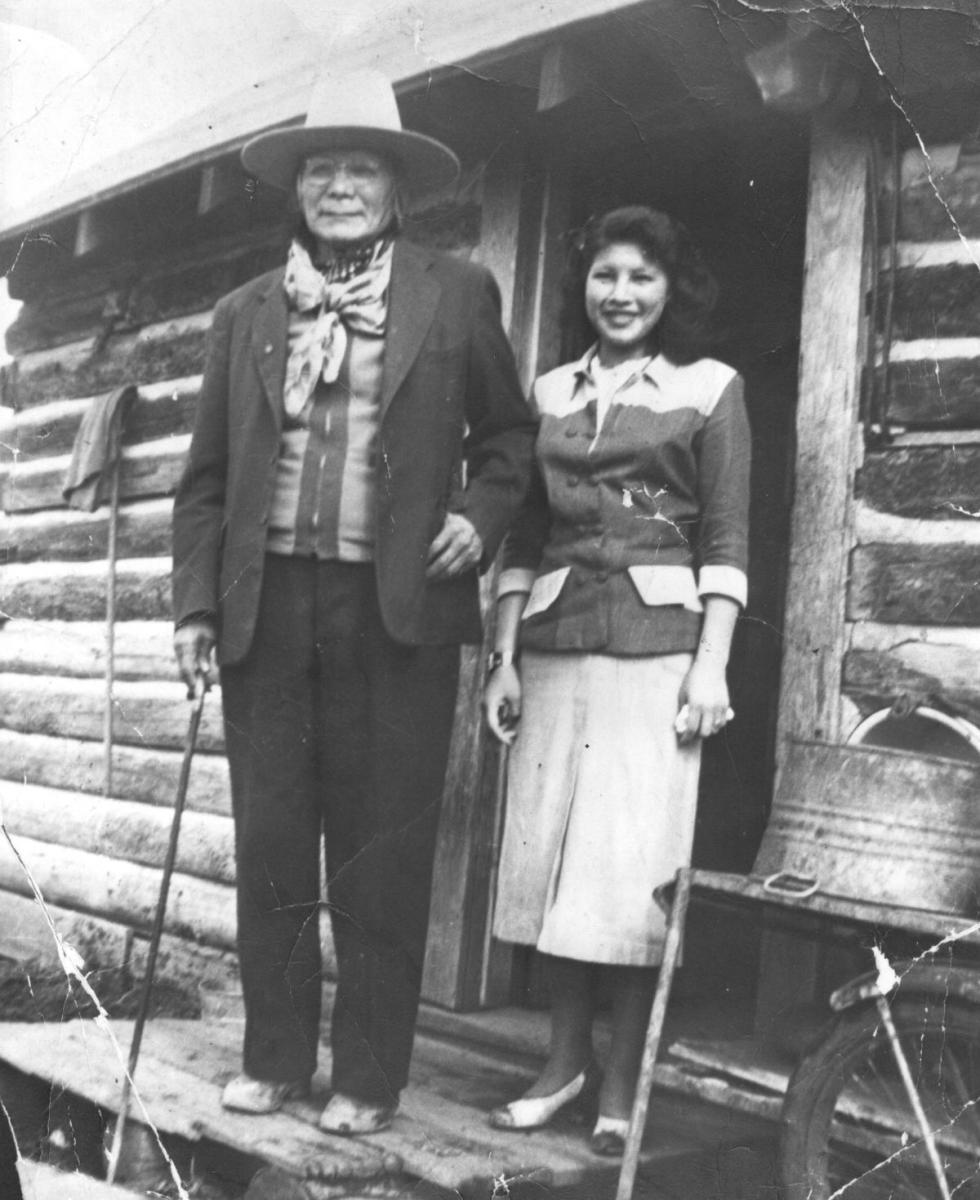
Ovila Cheff and Marie Caron, 1905. Bud Cheff's grandparents (Photo courtesy of Ninepipes Museum of Early Montana)
In 1911 he and Marie moved out of Ronan. They weren't able to buy their own place, but rented land at the base of the Mission Range east of Charlo from various Native friends, such as Tehnum Finley, Eneas Conko and Louis Mollman, all of whom considered the Cheffs as family. Over time, they built three cabins on the rented land, but two of the three burned down.
Ovila and Marie had 14 kids. Their third child, and first daughter, Bernida, was delivered by Medicine Man Charlie Kicking Horse, who saved mother and baby when Bernida presented as a breech birth. Bud's father, Bud Sr., was number four, born in 1915. He was raised bilingual, fluent in both French and Salish. He didn't learn English until he started at the Ursuline Academy in St. Ignatius, a Catholic boarding and day school for area Native and non-Native children.
As Bud Sr. and his brother, Rex, had made many deep friendships among the Native families of the Flathead Reservation, gifts were often traded between these families, as was the custom. In addition, Bud Sr. and uncle Rex participated in several Pend d'Oreille "Give Away" ceremonies. This was the beginnings of some of the collection of Native artifacts accumulated by the family. Bud Jr. finding the war club years later just seemed like the first step in carrying on the family tradition.
In 1959, Bud met Laurel Kopelman of Missoula on a blind date set up by Bud's uncle. For Bud, it was love at first sight, and they were married within six months. It is clear that spark is still there between them some 66 years later.
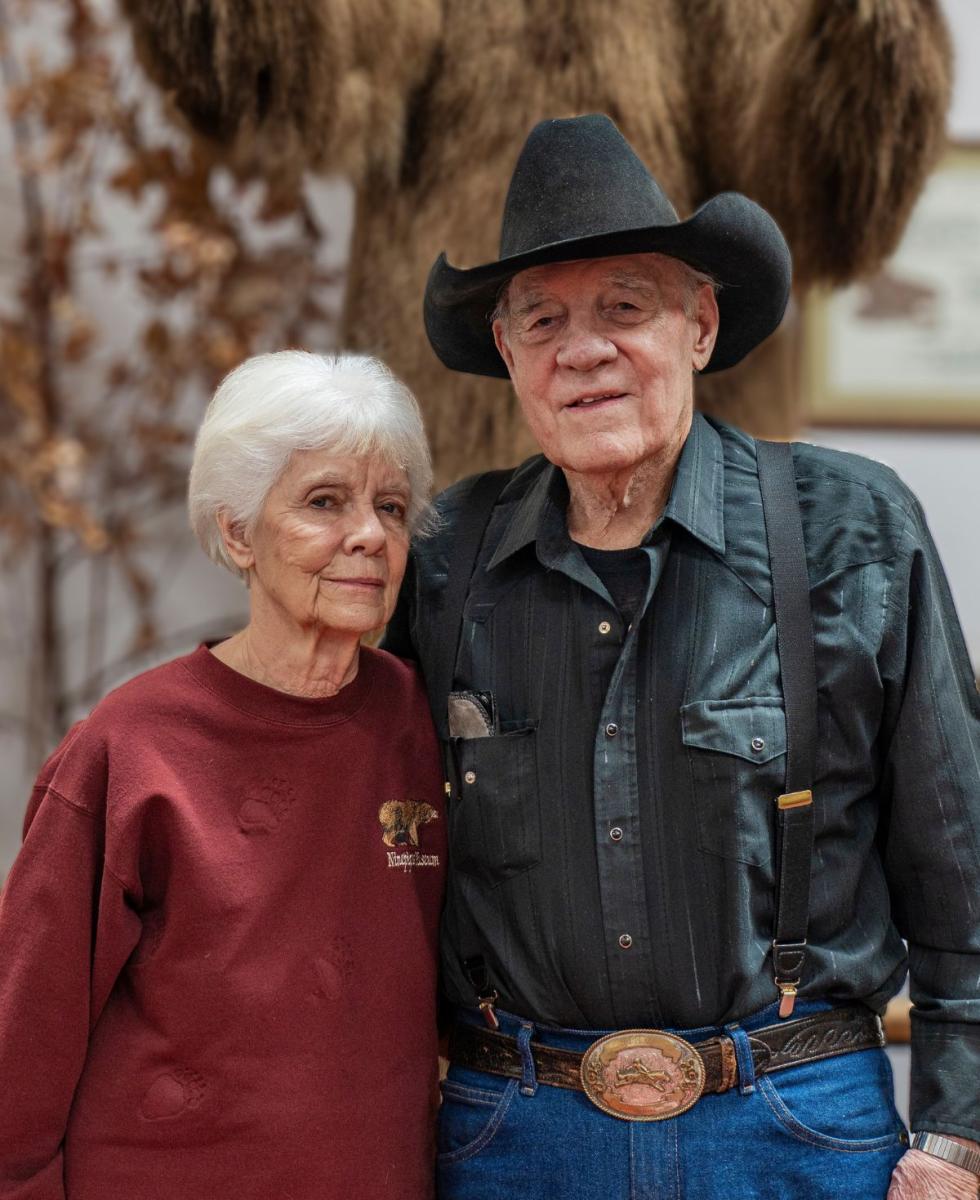
Bud and Laurel Cheff
As the family's collection of Native artifacts grew from Bud's continued acquisitions, the space to display them in Bud and Laurel's house grew smaller and smaller. Their house began to look more like a museum than a country home. They also felt an urgent need to bring history and culture back to the valley, which was quickly being outsourced to private collectors. Their solution, then, was to build a "real" museum devoted to preserving the history and personal stories of the Flathead Reservation, both Native as well as those of the white settlers.
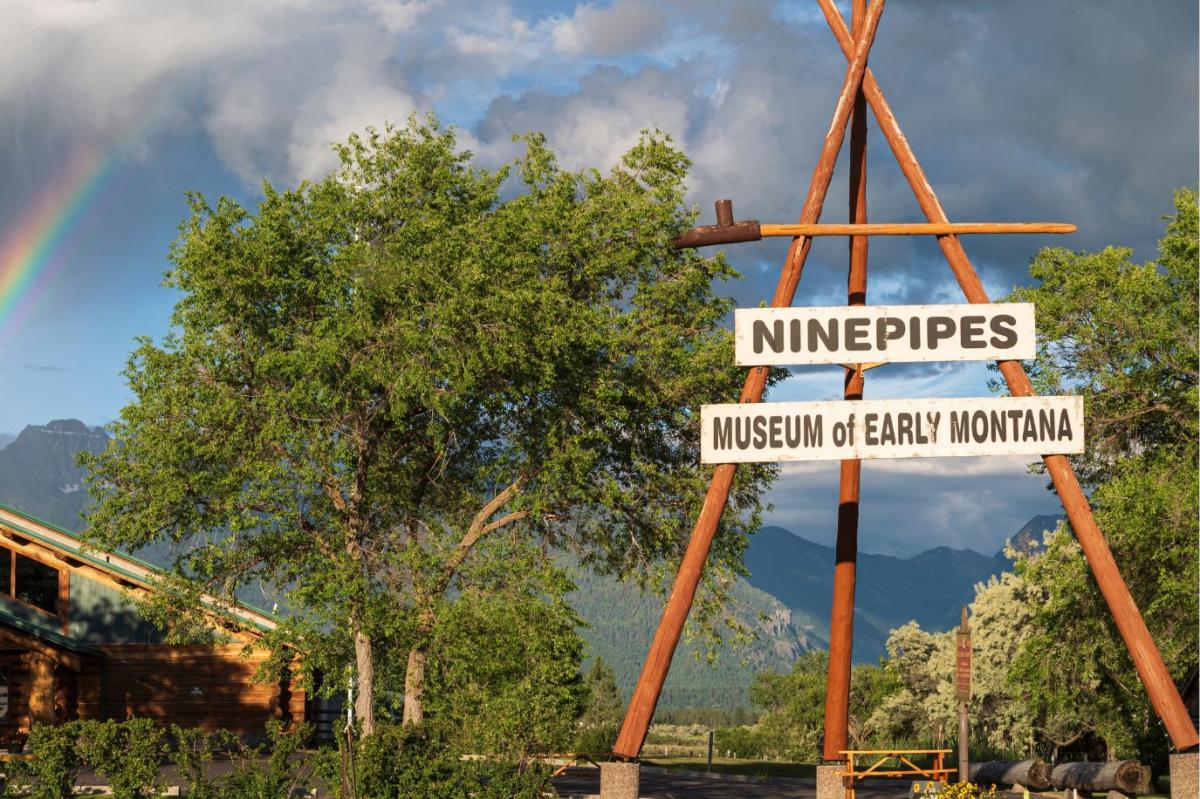
About seven miles south of Ronan, near the junction with Highway 212 (the Charlo cutoff), sat a small motel with a gas station and restaurant built in the 1950s, in an area still known on the map as "Allentown." Bud and Laurel bought the property on 30 acres in 1995 and spent the next two years renovating. Next to the lodge they built an 11,000-plus square foot museum, which was always their main interest. The entrance and gift shop is an impressive log structure designed by Bud himself. He hand-hewed logs from his own ranch to create the entry and interior support pillars. The museum opened in 1997. They named it after the highly respected Bitterroot Salish leader, Chief Joseph (Nganta) Ninepipes (1820-1871), and it shares that name with the adjoining Ninepipe National Wildlife Refuge. In 1998 the museum was officially registered as a nonprofit.
The museum cares for and preserves a unique and world-class collection of over 2,000 items consisting of artwork, photos, and objects of Native American and early Montana significance. So passionate had Bud been about saving these precious artifacts that Bud and Laurel's own personal collection makes up well over half the items on display.
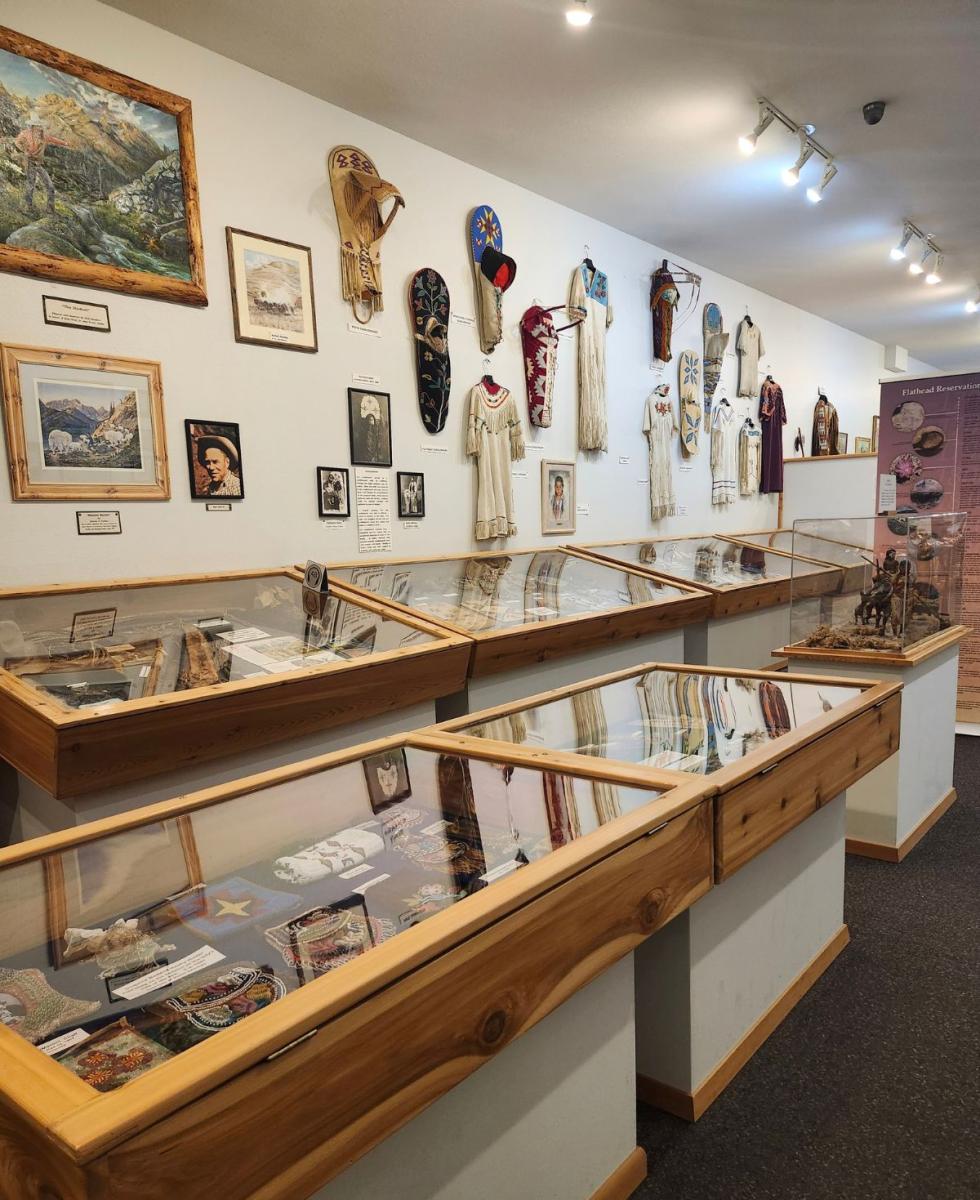
Photo by Doug Stevens
The displays are divided into four basic themes. The first is devoted primarily to the Native peoples of the Confederated Salish, Kootenai and Upper Pend d'Oreille Tribes of the Flathead Reservation, featuring moccasins, dresses and cradleboards with stunning beadwork, alongside artwork from famous artists of the past such as Ace Powell, E.S. Paxson, Charles Russell, Remington and Nancy McLaughlin. Next is the Photo Gallery, containing over 250 of the museum's 700-plus photos dating back to the early days of photography that document the history of the Mission Valley. This is followed by displays devoted to the early white settlers, the fur traders of the Hudson Bay Company, St. Ignatius' "Blackrobes," and the saddles, spurs and guns of the early West. Finally, you exit through a large diorama of the natural history of the area, set around a depiction of an American Indian camp circa 1880. The nature trail behind the museum is named for Adelle Rogers, Bud Sr.'s wife, whose line goes straight back to the Clarks of Lewis and Clark fame.
Unfortunately, the lodge was not a profitable venture, and in 2011 the Cheffs had to let it go, along with most of its property. However, they were able to save the museum, which remains a tireless act of love on the part of the Cheffs.
Bud and Laurel have stepped back a bit these days. A second generation of Cheffs, Jo, now manages the museum as its executive director, though the two of them remain active on its board of directors. When touring the museum, you can still have Bud himself walk you through and explain the history, background, significance and stories behind many of the displayed items, by means of a programmed audio headset available at the front desk. It is the nearest thing to Bud giving you a personal tour.






Leave a Comment Here