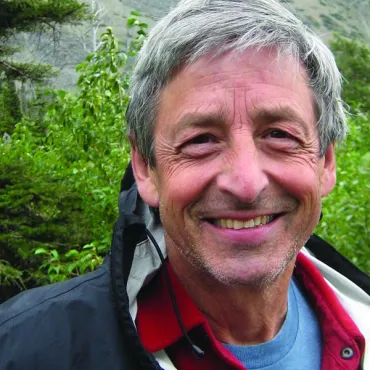
Doug Stevens is a freelance writer, photographer and college educator living near Polson. He has been an avid wilderness backpacker for nearly 50 years and also enjoys fly-fishing, bowhunting, and snowshoeing with his wife, Tania. Access his blog at graytrekker.darkroom.
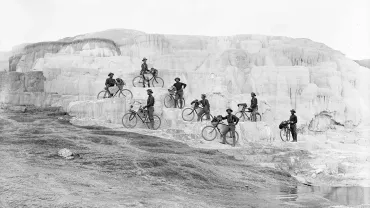
The second, longer trip was a roundtrip to Yellowstone National Park. Supposedly they now had “puncture-proof” tires. In addition to the necessary provisions, each rider carried either a 10-pound rifle or a revolver and each had a 30-round cartridge belt and half of a tent.
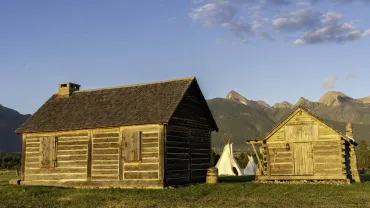
Joe was raised along Post Creek, north of Saint Ignatius, bordering historic Fort Connah on the Flathead Reservation. He was the great-grandson of Angus McDonald, a Scottish fur trapper who settled in the Mission Valley and established Fort Connah in 1846
The geyser basins had already been visited by the Washburn Expedition, but it was the Hayden group who got to see the eruptions of some of the park’s largest geysers. They gave them names such as Giant, Giantess, Grand and Castle.
Like Colter before him, the more seasoned trappers did not believe him. For the “greenhorns,” new to the wonders of the American West, he laid it on thick. Believed or not, he surely would have had a captive audience around the fire.
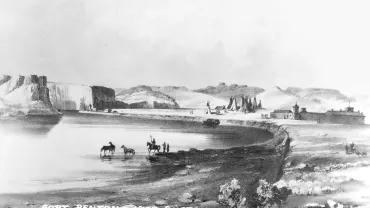
Enter Alexander Culbertson, the most influential person in the establishment and development of Fort Benton. Culbertson joined the American Fur Company in 1829 and soon became the principal trader with the Blackfeet. His wife, Natawista, was of the Canadian Blackfoot Blood Band, which gave Culbertson a great advantage in building trust with area tribes.
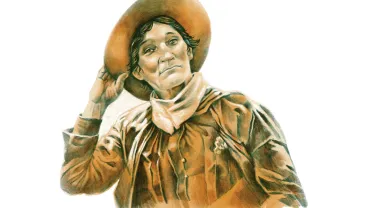
What better way to tap into the nineteenth-century fascination of the perceived free, nonconformist Western lifestyle than a woman who dressed in men's clothes and did stereotypical men things, like army scouting, drinking whiskey and smoking cigars?
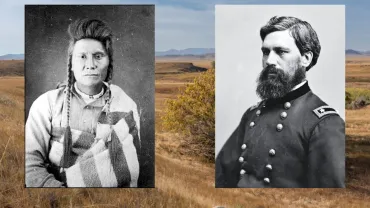
It had been 73 years since the Nez Perce had greeted Lewis and Clark with friendship and pledged peace with the U.S. government, thinking they would get the same respect in return. They were now retracing the Voyage of Discovery's route back through the rugged Bitterroot Mountains on a flight for their lives.
From the journals, we learn only the bare facts. It was September 4, 1805. They had had a very difficult time climbing out of the North Fork of the Salmon. The steep terrain and deep snow left many of the horses lame from falling. A lack of forage and game left both humans and horses hungry and weak.
Bison play a central, integral role in the cultural, spiritual and ceremonial life of many western Native American tribes in both the plains and the intermountain areas, such as Montana. Their relationship to the bison runs deep and is ingrained into who they are as Native people
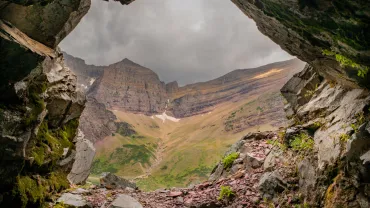
It may surprise many, as it did me, that there are actually abandoned mines and oil wells located within Glacier. The three decades prior to Glacier officially gaining national park status saw a frenzy of mining activity.
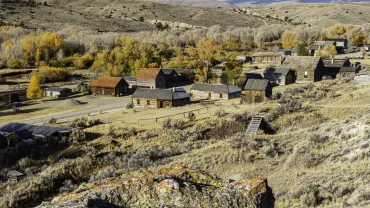
Lynching at the hands of a group of self-appointed vigilantes was employed in many mining towns across the Western U.S. in the mid-nineteenth century, including Montana. With the legal structure of courts, lawyers and judges lagging well behind the growth and the ensuing lawlessness of each gold strike, expedience was sometimes the preferred instrument to establish “law and order.”
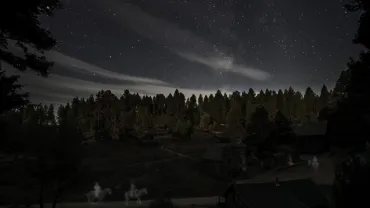
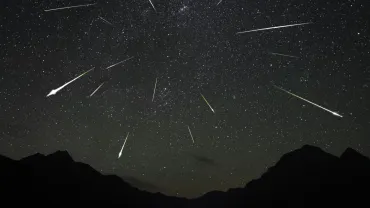
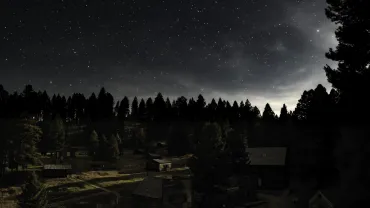
Montana is blessed with some of the darkest skies in the country, due to lack of any large light-polluting cities. Couple this with the many wildernesses and other wild and scenic set-aside areas, and one can get far away from even the light of small towns.