
Will Rogers, Montana, and the Award That Carries His Name
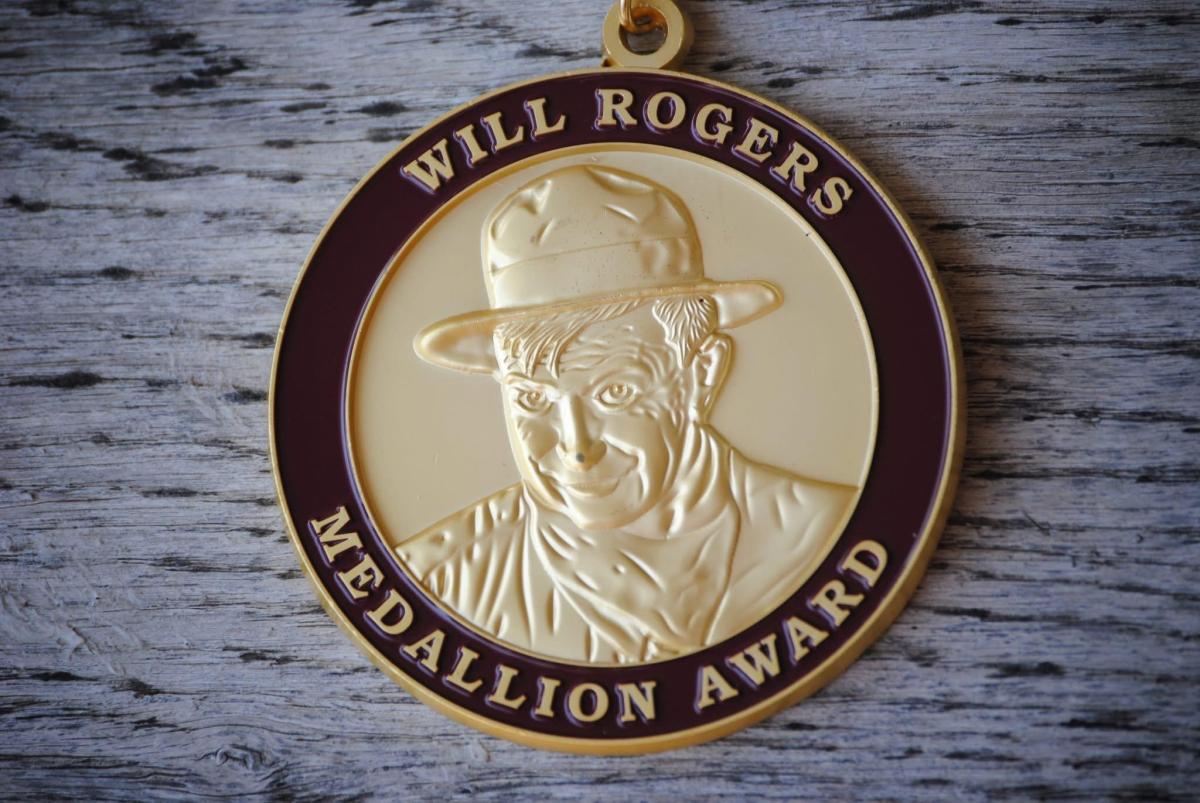
The rope came first. Will Rogers built his early act as a trick roper, a working cowboy out of Indian Territory who could make a lariat behave in ways that drew a crowd. The talking came later, almost by accident. When a trick missed, he would say something dry about it, the audience would laugh harder than they had at the roping, and over years of touring he learned to lean on the wit instead of the lasso. Some of that touring brought him to Montana.
According to research by author Chris Enss, who is writing a book on Rogers's years in the newspaper trade, Montana was a regular stop. He played Butte and Helena, among other towns, in front of full houses, and the state's papers tracked his appearances, billing him as a roper who could talk while he twirled. Butte's own theater history bears part of this out. The city's stages hosted Rogers alongside the likes of Charlie Chaplin and Buffalo Bill in the decades when a touring act could still fill a hall in a mining town.
Those were not easy rooms. Miners, ranchers, and farmers had little patience for pretense, and Rogers spoke their language without reaching for it. The connection was immediate, the kind a performer cannot manufacture. Enss's research suggests Montana did more than give him a place to perform. It helped sharpen the instinct that later defined him, the sense of how to talk to ordinary people and, just as often, for them.
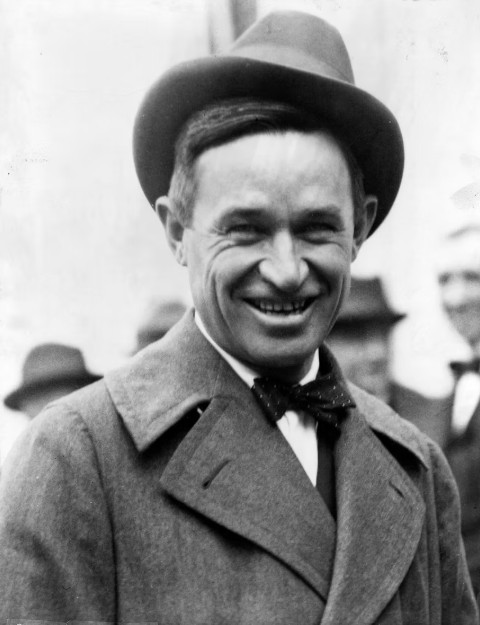
By the 1920s, Rogers had moved well past the rope act. He was a Ziegfeld Follies headliner, a film star, and a newspaper columnist whose work ran in hundreds of papers across the country. Montana readers kept up with him in print, and Enss notes that he returned to the state in his writing, using it as a kind of shorthand for plainspoken, common-sense America. The contrasts he liked to draw ran, as she puts it, from New York to Montana.
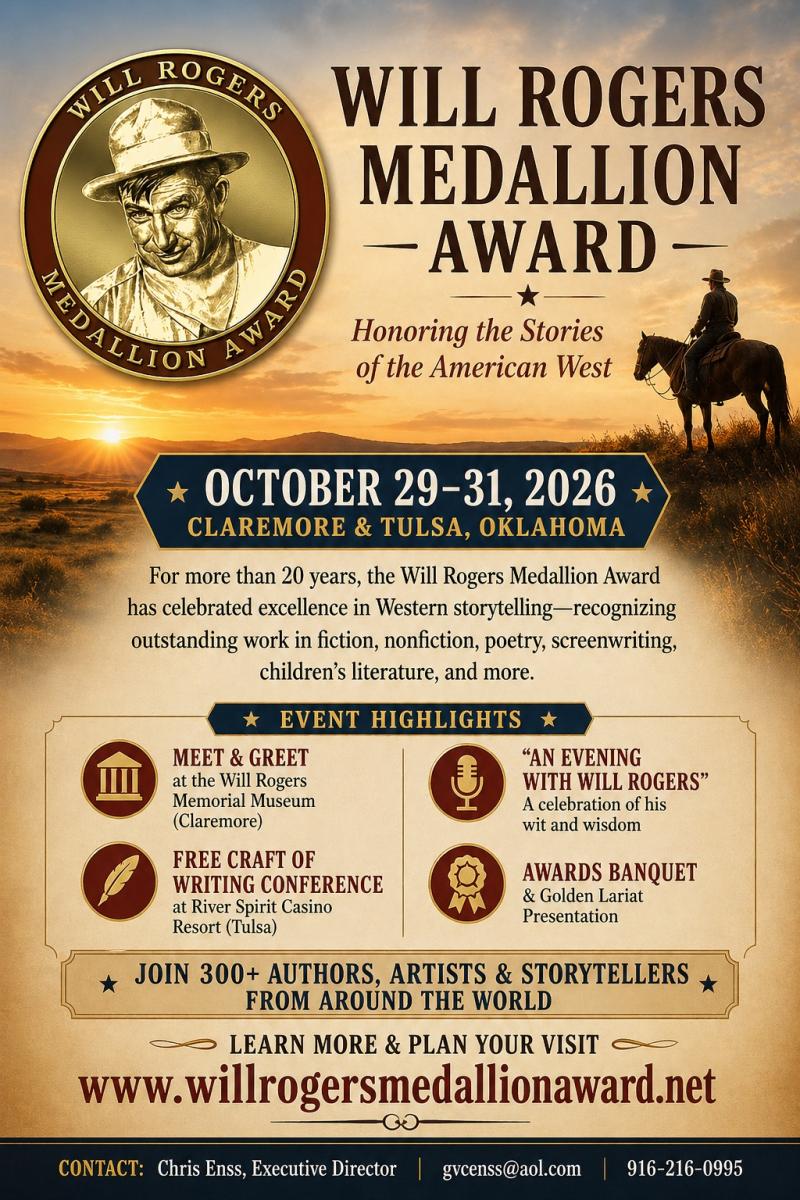
That instinct, honesty without cruelty and humor that respects its audience, is what the Will Rogers Medallion Award has spent more than two decades trying to recognize in Western writing and media. The award takes its name from Rogers and its standards from what he did well. A book or film has to reflect the West accurately, whether the subject is historical or current, and it has to carry something of his wit and plain sense. Craft matters. Getting the facts right matters just as much.
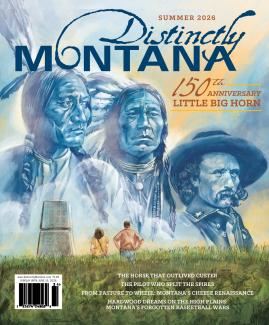
Montana runs through the award's story too. Enss, who serves as its executive director and has won several medallions herself, has a piece in Distinctly Montana's upcoming summer issue. Larry J. Martin, a past recipient of the award's Lifetime Achievement honor, lives in Missoula. Neither connection is an accident. Montana has never had much use for the cardboard version of the West, the one built out of scenery and shorthand, and neither does an award that asks writers to do better than that.
Rogers never settled here. He came through, the way he came through a lot of places, and then he carried something of those rooms with him for the rest of his life, until a plane crash in Alaska ended it in 1935. What he picked up on stages like Butte's was that audiences in places like Montana expected honesty and recognized it when they heard it. The award that bears his name is, in its way, a wager that they still do. More about the Will Rogers Medallion Award and its categories is at willrogersmedallionaward.net.



- Reply
Permalink