As Montana's response to the national "Good Roads" movement of the 1920s, Highway 200 gained popularity, along with Highway 89, as the border-to-border travel corridor for tourists bent on exploring the state by motor vehicles. The aim of the Good Roads initiative was to connect isolated rural communities and promote social and economic vitality.
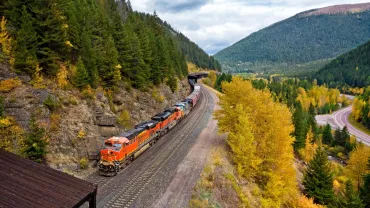
Folks who don’t live in regions with high-angle avalanche zones and railroads don’t know much about snowsheds. Part lean-to and part tunnel, they don’t catch the eye. As an architectural piece, they are strictly utilitarian and certainly not things of beauty, unless you’re a construction engineer who digs bulky, behemoth buildings.
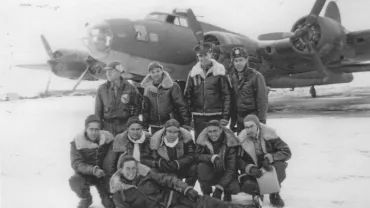
t was believed that the Montana airspace, terrain, barometric pressure, and winter temperatures would replicate what air crews might expect over Germany. On base, though, the barracks and other assorted operational buildings, erected quickly, lacked adequate insulation.
Members of Montana’s Native peoples called it the “Medicine Line,” the White people’s invisible trace of the 49th parallel. They knew that the “medicine line” offered safety from pursuing U. S. military units bent on forcing them onto reservations in the late 19th century.