Sherman Cahill is a freelance writer who lives in Butte, Montana. He enjoys film, westerns, crime fiction, and residing in the best city in America, if not the world.
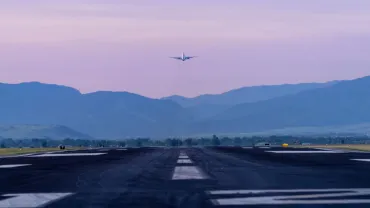
The goal, in the words of Travis Kabalin, project manager for Martel Construction on the East Terminal Expansion Project and the man whose task it is to keep it all running, is "essentially allowing the airport to continue to function with minimal owner and passenger disruption."
The Bozeman boom is a named phenomenon, frequently discussed on social media, where posts track the sounds and folks all over town report where they heard them. There was a boom on June 5, 2022, at nearly 6 pm. A loud, cacophonous noise was heard in Bozeman, Belgrade, Four Corners, West Yellowstone, and Livingston, with no official cause ever discovered.
Like the city they call home, Butte pigeons thrive in adversity. There they manage to propogate in astonishing numbers despite living in an environment that is, more often than not, entirely hostile to them.
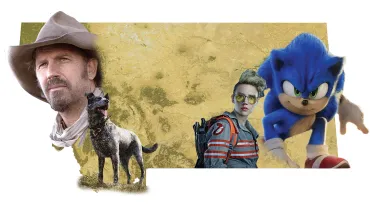
Harmonville is also a town where magical, impossible things can happen without anyone seeming to notice, like when Costner fires his six-shooter 16 times without reloading, and no one declares it a miracle.
It feels titanic, monolithic, eternal — every blessed ounce of it. Two buns. A succulent pork patty breaded and fried to a juicy golden brown, with onions, pickles, and mustard generously arranged in mouth-watering harmony.
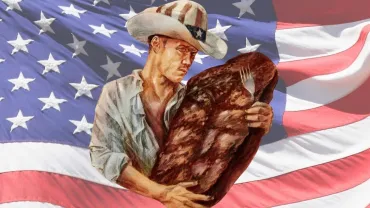
Now whenever I go to a restaurant with a price point north of McDonald's, my eyes scan the menu for steaks. Whether it's the $10 steak and eggs at a greasy spoon or the $47 ribeye at a real fancy place, or the even more dreaded "market price" cut only available to those in the know, I can't help myself.
We Montanans love to travel around our state. Maybe we take a trip to Hawaii, or Florida, or Bucharest now and then, but we mostly like to travel around our own little demesne. And, luckily for us, Montana offers such a range of climes, landscapes, and experiences that a trip a few hours from home can feel like a grand journey.
It feels like the sort of place where scenes from Norman Rockwell play out behind every closed door. There’s street after street of adorable homes nested in beautifully maintained yards, watched over by lovely old neighborhood churches.
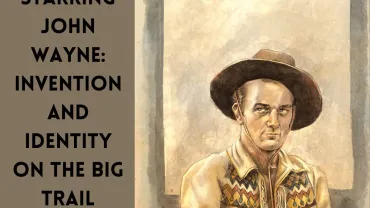
According to Walsh biographer Marilyn Ann Moss, "20,000 extras, 1,800 head of cattle, 1,400 horses" traveled with the production, along with "185 wagons" and "123 baggage trains that trekked over 4,300 miles in the seven states used for locations." Finally, there were 293 actors, 22 cameramen, and 700 barnyard animals.
There are, at the time of this writing, 329 separate entries in the Story of Butte database, with more coming all the time. In addition to discrete entries, there are also many tours that organize locations into a series of stops that tell a fuller story, such as the 11 locations featured in the Murder of Frank Little tour.
In hard rock mining, the "nipper" is an entry-level position for someone, usually young and potentially a child, who assists the miners in getting them fresh equipment, exchanging out old bits, and fetching whatever the miners need. In the Butte of 1911, child labor laws were still far down the road, the job was often occupied by twelve to nineteen-year-old boys
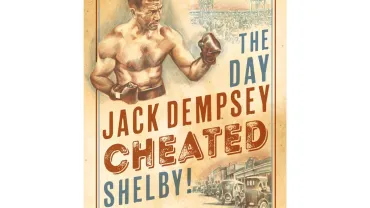
If Dempsey had it made, then Shelby, Montana was on the make. The little Hi-Line railroad town had been on the map since the late 19th century, but had fallen on hard times when homesteading in the region went bust. But in 1921, oil was discovered north of Shelby. Within months, the town filled with oil field workers, geologists, and drillers.
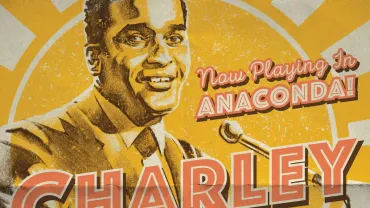
Charley didn’t see the man’s death, but heard about it from other smelter workers. Told and retold, the man’s gruesome demise became a cautionary tale for the other workers, a bedtime fable for the unwary.
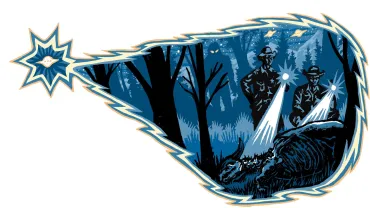
Along with Washington D.C.’s famous summer of the saucer sightings in 1952 and Point Pleasant, West Virginia’s hallucinatory year spent in the shadow of Mothman in 1966-1967, whatever really happened in Montana during its sustained ”flap“ constitutes one of the strangest episodes in the history of America’s long, intimate dance with the just-plain weird.
Bobby's leg broke, and for the first time, but certainly not the last time, Bobby was lucky to be alive. Unrepentant, perversely obstinant in the way that only Butte can be, Bobby bought another bike as soon as he could and took to racing the police around the town, popping wheelies and raising hell.
And when Montana experienced its own gold rush, many Chinese came to Bannack and Virginia City to seek their fortunes; the first mention of Chinese arriving in the area was in an 1865 issue of the Virginia City newspaper The Montana Post, which groused at the arrival of a small group of gold-seeking Chinese workers.
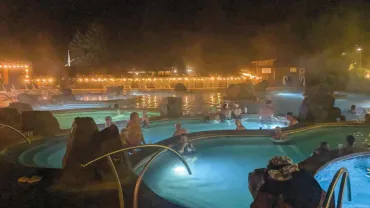
But hitting those pools together in the late evening, after superlative food and drinks, with trees lit up with twinkling lights visible through the steam, miles and miles away from the nearest inconvenience or trifling irritation, and slipping into the water slowly until totally submerged, well, that was magic.
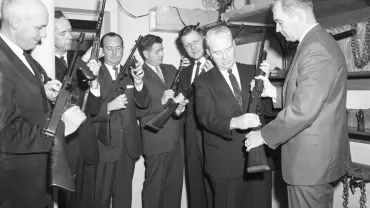
In the end, Shaw had his gun and badge taken away. But the worst insult was yet to come: Hoover transferred Shaw to Butte, Montana—as close to Siberia as he could muster.