Get to Know Lake County
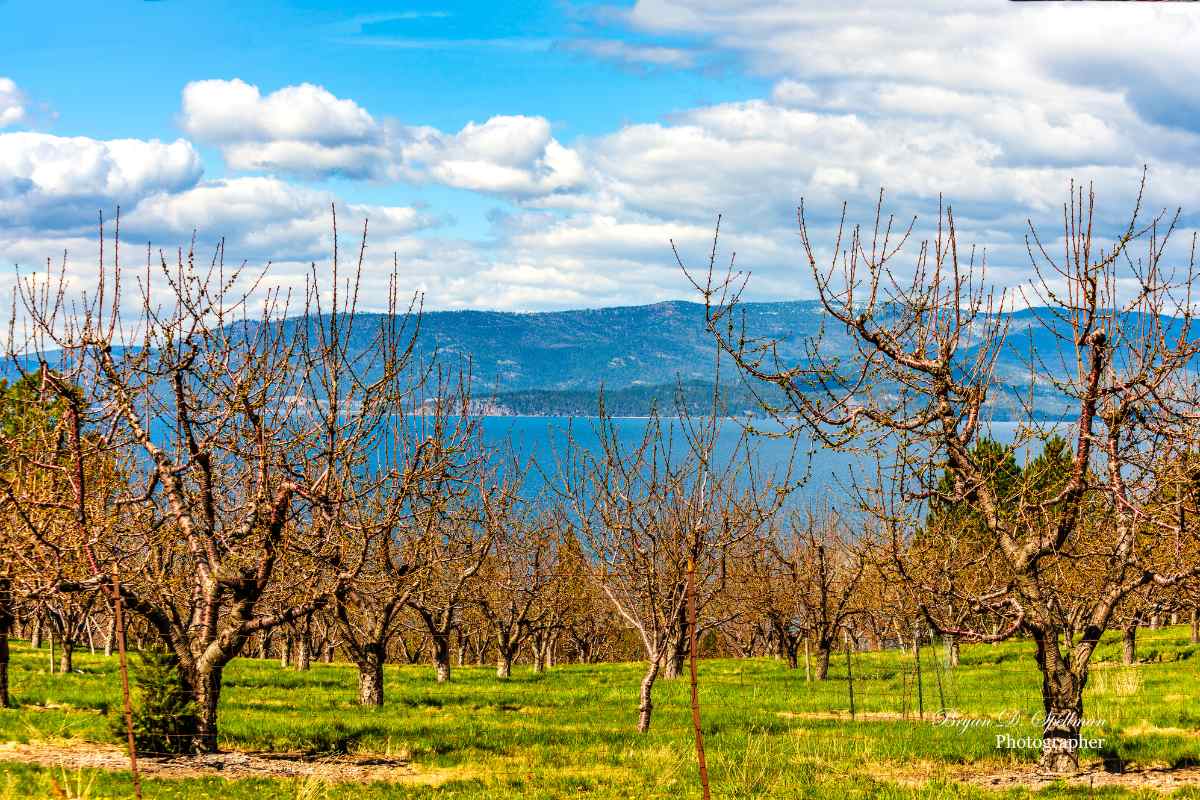
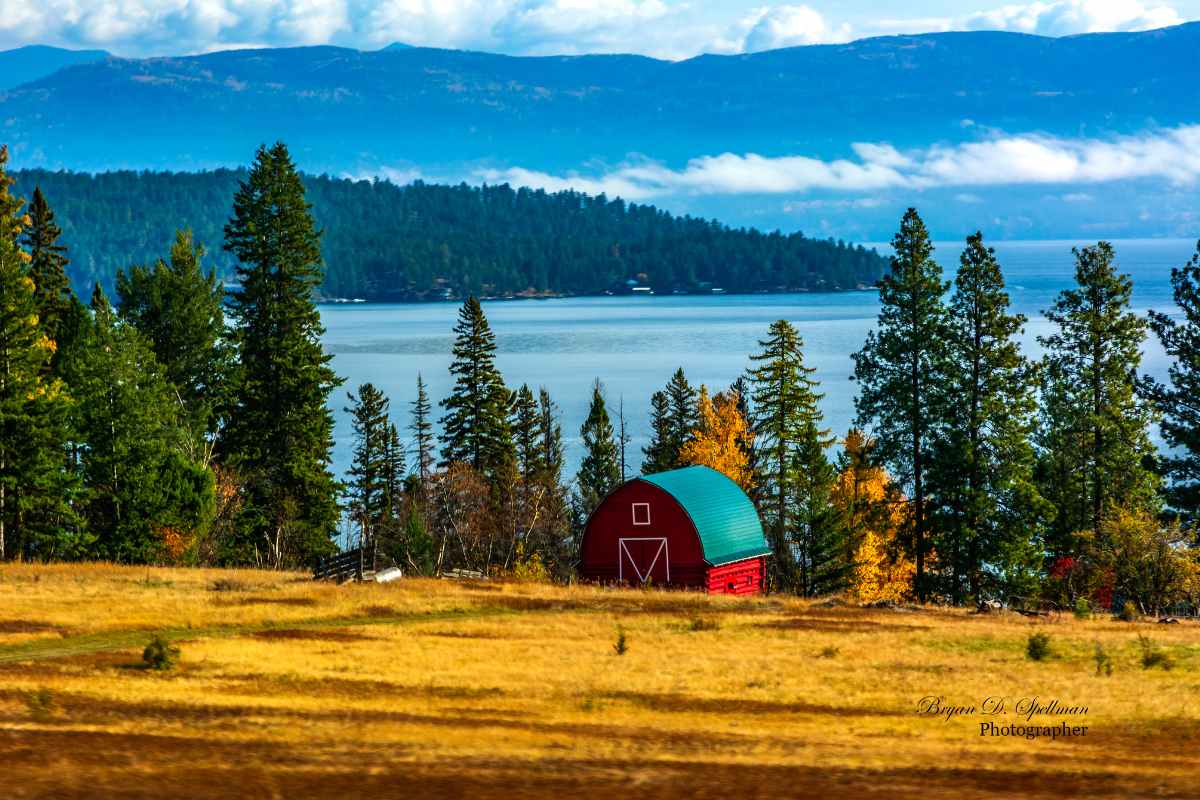
On May 11, 1923, the Montana Legislature took land from Flathead, Missoula and Sanders counties to create Lake County. It was the last county created in western Montana and fifty-fifth of Montana's fifty-six counties. Only Petroleum County is younger. The county covers 1,654 square miles, of which almost ten percent is water. Most of that water is Flathead Lake, the southern portion of which lies within the County's borders.
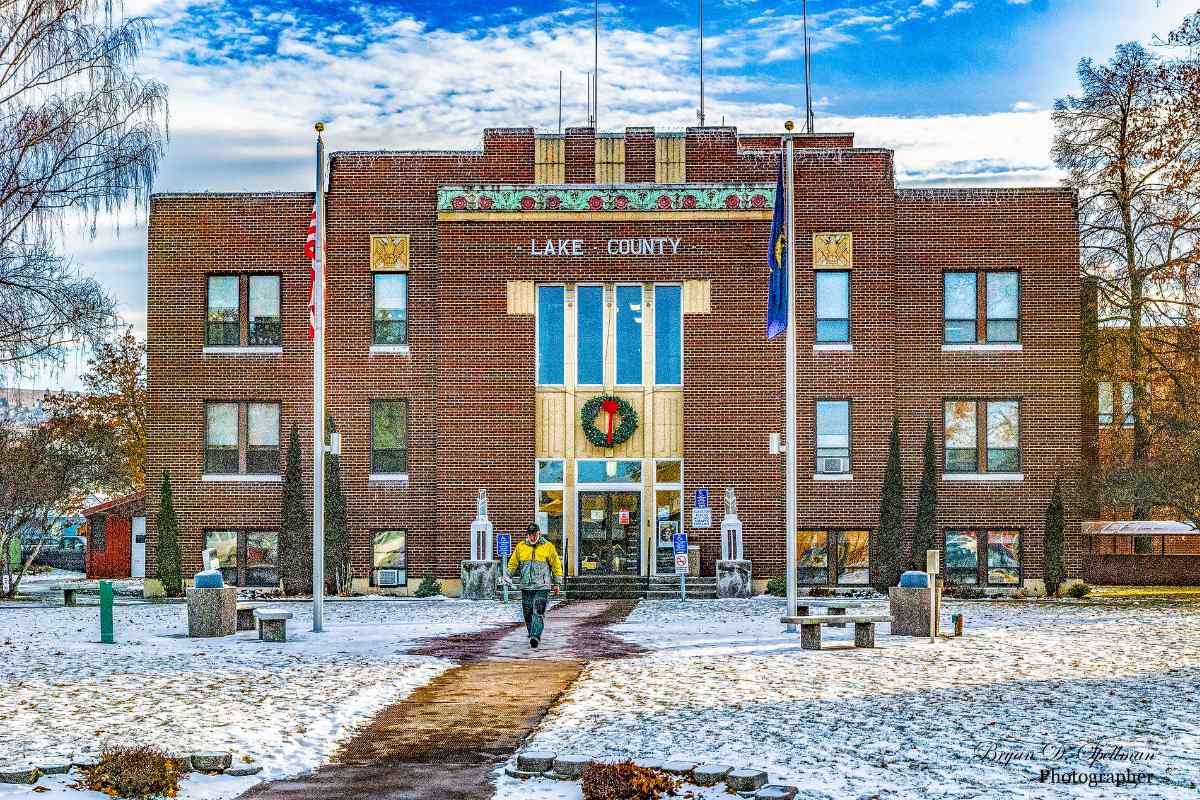
In size, Lake County ranks 46th among Montana counties. With a 2024 estimated population of 33,403, the county is ninth in the state. Almost sixty-eight percent of the County's land area lies on the Flathead Indian Reservation. Polson, at the southwestern corner of Flathead Lake is both the largest city and the County Seat.
The Hellgate Treaty of 1855 set aside the Flathead Reservation and forced the Salish people to move there, leaving their traditional homes in the Bitterroot Valley. Some of the Pend Oreille or Kalispel people lived near Flathead Lake and one band of the Kootenai or Ksanka people lived at the lake near the present town of Elmo. This was, of course, long before there was a Lake County, or indeed a state known as Montana. For a fascinating read on the history of the Reservation and its communities, I recommend a short piece written by Lori S. Curtis, Flathead Watershed Sourcebook whose website can be found at http://www.flatheadwatershed.org/index.shtml. I especially recommend the section "Cultural History."
According to the City of Polson's website, the town got its start in the 1880s when Harry Lambert built a trading post at the south end of Flathead Lake under the name Lambert's Landing. In 1899, Lambert's Landing got a post office, named for David Polson who had been ranching in the area since 1884. Is it naive of me to ask how two non-Native men established businesses in an area that had been set aside, or reserved, for Native people? The Flathead Reservation was opened to non-Native settlement only in 1910.
In any event, the town of Polson grew rapidly, and by 1920, the US Census counted 1,132 residents in the town. That number has only grown since, and the 2020 Census showed 5,148 residents. With the creation of Lake County in 1923, Polson vied with nearby Ronan to be named County Seat, and with roughly twice the population, Polson won. It has remained the County Seat ever since.
While Polson is not home to the Confederated Salish & Kootenai Tribal Complex, many tribal offices have a presence in the town. These include Tribal Health, Natural Resources (Fish, Wildlife, Recreation and Conservation), and S&K Gaming which runs three casinos on the Reservation including the Kwat'aq'nuk Resort and Casino in the center of town on the shore of Flathead Lake. (Kwat'aq'nuk is the Kootenai name for Polson.) On April 9th, 2025, S&K Gaming broke ground for a new casino, 400 Horses Casino, on the north edge of Polson. When 400 Horses Casino opens, the tribe will have four casinos along US 93, the aforementioned Kwat'aq'nuk, 400 Horses both in Polson, Big Arm Resort and Casino ten miles north of Polson on the shores of Flathead Lake's Big Arm Bay, and Grey Wolf Peak Casino, north of Missoula at Evaro.
But if gambling is not your thing, there are plenty of other ways to spend your time (and money) in Polson. The online business site Yelp list 67 venues in town. Not all are restaurants or coffee shops, but an amazing number of those businesses (55) do show up, especially when you consider the size of the town. I guess that's why, whenever I drive through Polson, I see a place to eat on every block.
Other than food and drink, there are plenty of ways to amuse and inform yourself. The Polson Flathead Lake Museum at 708 Main Street has exhibits of local history, including the original trading post, items from the Reservation, artifacts donated by early homesteaders, and the Flathead Lake Monster, a 7 1/2 foot long, 181 pound sturgeon taken from the lake in 1955.
On the south end of town, the Miracle of America Museum covers approximately five acres. With forty-two buildings, the museum is home to some 300,000 items, from pieces of sheet music to cars, airplanes, farm equipment and more. The owner's son told a mutual friend that his father had found a way to make a career out of hoarding. The museum is easily the largest in Montana, and well worth a visit or three. One time through will not be enough.
Fourteen miles south of Polson lies the only other incorporated city in the county, Ronan. Salish people first gathered in the area in 1883, according to the city's website. The community became known as Spring Creek, but in 1893, the town's name changed to Ronan Springs and later just Ronan in honor of Maj. Peter Ronan who served as BIA Agent on the Reservation from 1877 to 1893. The 2020 US Census counted 1,955 residents in the city, the most in the city's history.
Halfway between the two cities you find Pablo, one of twenty-one "census-designated places" in Lake County. Pablo is home to the Confederated Salish and Kootenai Tribal Offices, Salish-Kootenai College, Two Eagle River School, and the Three Chiefs Cultural Center, formerly known as the People's Center.
Fifteen miles south of Ronan is St. Ignatius, the only official "town" in Lake County, and the oldest settlement in the area. In 1854, Jesuit missionary Pierre-Jean DeSmet established the St. Ignatius mission to the Native population of the area. The town grew around the mission, and in 1891-93 the current church building was erected. Located just a short distance off US Highway 93, the church is worth a visit by anyone interested in religious art. Fifty-eight murals adorn the interior of the building, completely covering the ceiling. There are also two life-size portraits of the Virgin Mary and the Sacred Heart of Christ, both in full tribal regalia. The building was added to the National Register of Historic Places in 1973. The Mission is the namesake for the Mission Mountains, the Mission Valley, and the local nickname of the town itself, "Mission."
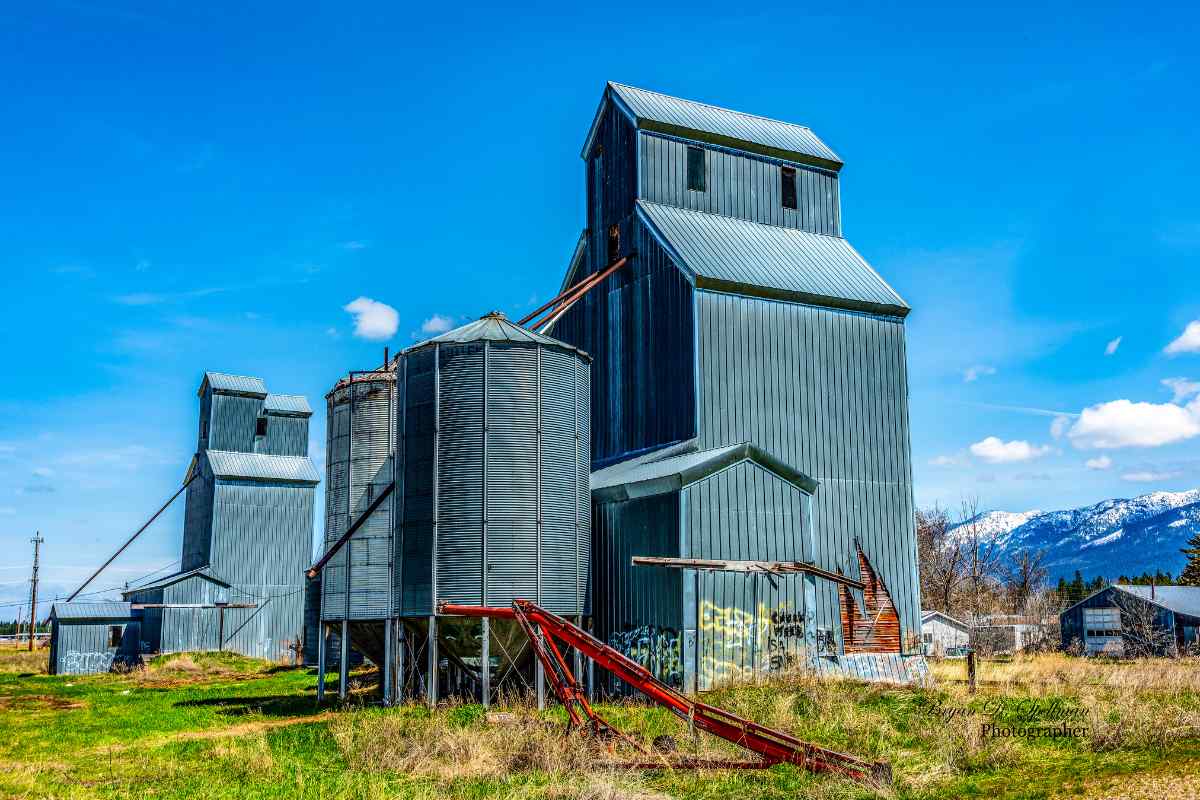
In addition to Pablo, there are twenty other "census-designated places" (CDPs) scattered around the County. Without going into the technical aspects of a CDP, let's just say that you and I would probably call these "towns," even though they are not legally incorporated. Pablo, with a 2010 population of 2,138, is by far the largest of these communities, with three times the population of the next largest, Arlee, with 725 residents. Most of the "towns" you drive through on US 93 or Montana 35 are actually CDPs.
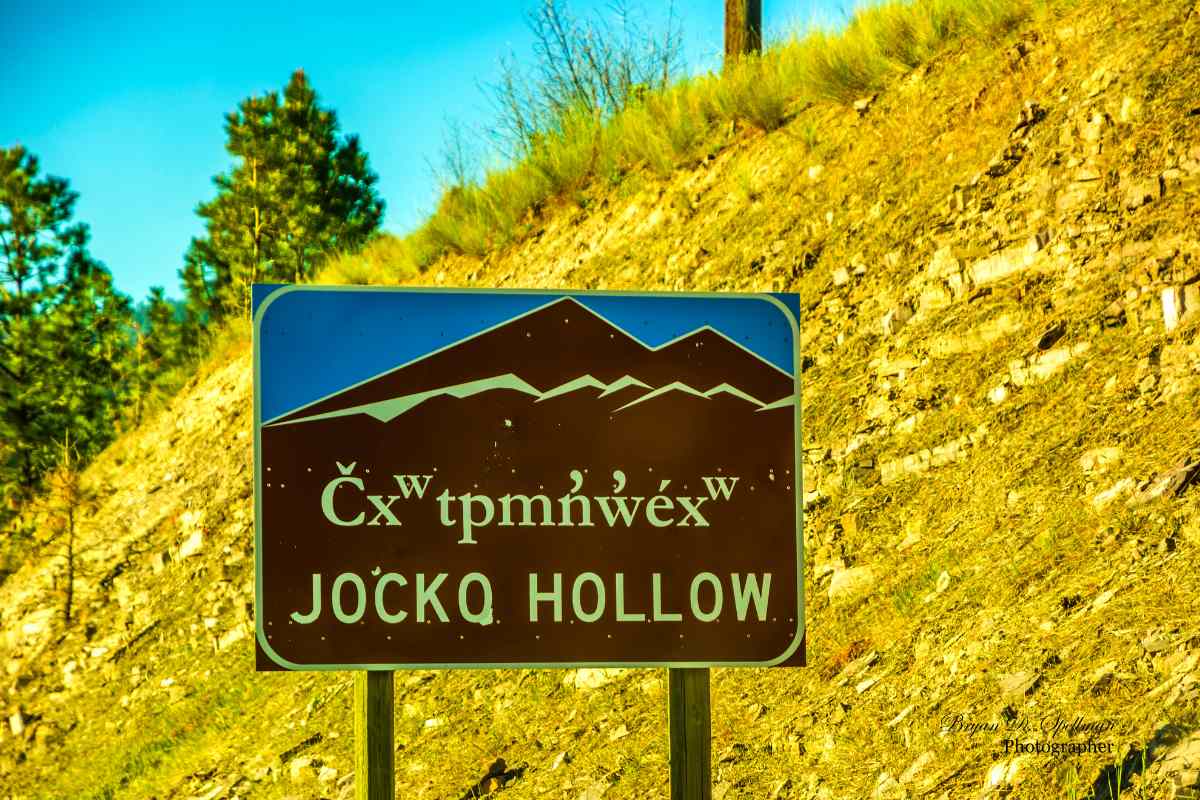
While you drive through Lake County, watch for blue and brown signs with white lettering. These signs mark geographic features, and the first word is usually a seemingly unpronounceable string of consonants. This is the Salish name for the feature. Also, as you enter each community on the reservation, there is a large wooden sign with the Native name for that community. Some of these signs have three lines of text: the Native name; an English translation; and the English name—usually quite different from the translation.
Lake County is a four-season playground, although most people will want to visit in the Summer. Cherry orchards thrive on both sides of Flathead Lake, and when the cherries are ripe, you'll pass a fruit stand every mile or so. I grew up on these cherries, and they spoiled me for fruit from any other region.
The Mission Valley Cruisers, a classic car club based in Ronan, sponsors a car show, Cruisin' By The Bay, in Polson each August. The Mission Mountain Golf Course in Ronan offers spectacular views of the mountains from its links and from the cantina in the clubhouse.
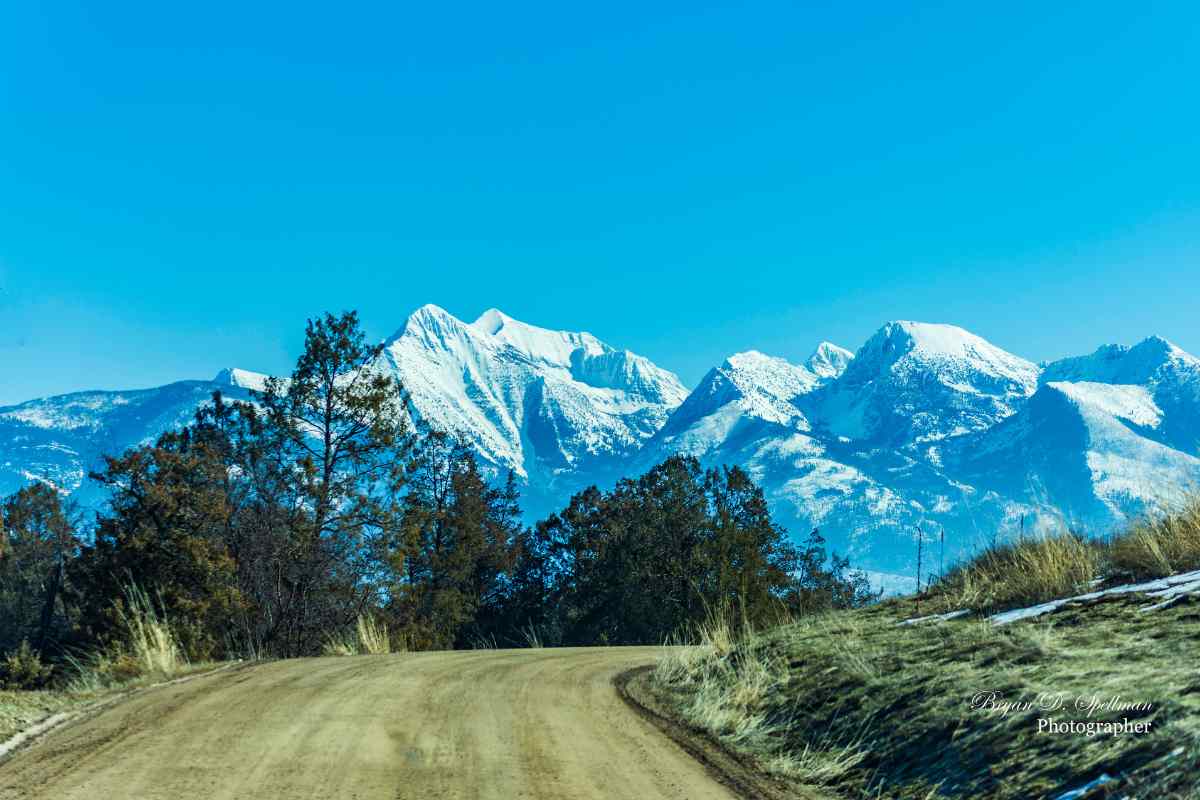
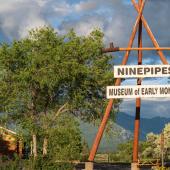
Ninepipes Lodge with its Allentown Restaurant and Sports Bar, offers fine dining and excellent views of the mountains reflected in the pond just outside the restaurant's picture windows. It also is home to the Ninepipes Museum of Early Montana. The address shows up as Charlo, but the facilities are located right on US 93 halfway between St. Ignatius and Ronan.
Flathead Lake State Park now has seven units scattered around the Lake. Five of those are in Lake County. Finley Point and Yellow Bay are on the east side of the Lake. Big Arm and West Shore on the west side. The Wild Horse Island unit covers most of the largest island in the Lake and is accessible only by watercraft.
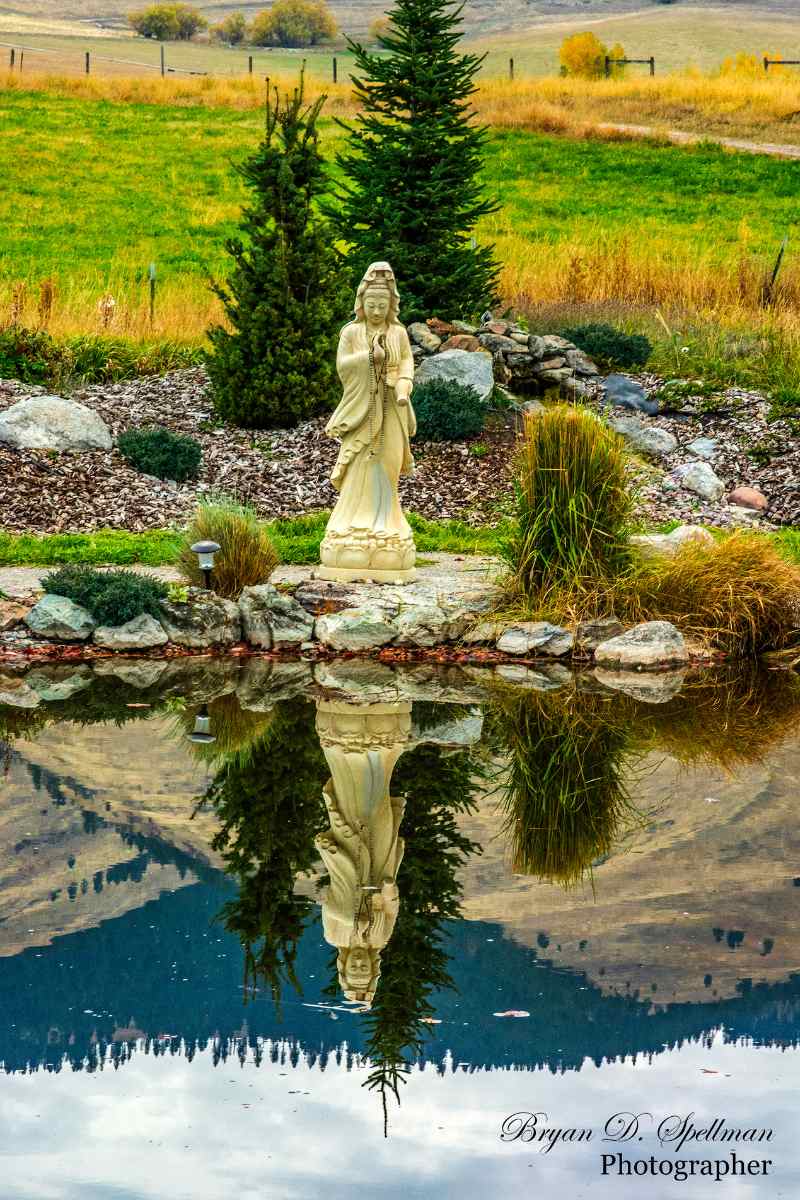
One unusual place to visit is the Ewam Garden of 1,000 Buddhas. Located just a short distance off US 93 north of Arlee, the Garden is the work of a group of Tibetan Buddhist monks and a large cohort of western Montanans who came together to build this space for meditation and study. And yes, there are at least one thousand statues of the Buddha on site.
If you're a birdwatcher, Lake County offers many venues. Ninepipes National Wildlife Refuge covers 2,000 acres and is mostly open water. Pablo National Wildlife Refuge, a few miles north, is over 2,500 acres in size. Kicking Horse Reservoir, near Ronan, is 657 acres in size. All offer a variety of birds in season, and the fishing ain't bad either.
West of US 93, the tribally run CSKT Bison Range (formerly the National Bison Range), almost 19,000 acres in size, offers a two hour (seventeen mile) self-guided tour up and over the mountain at the center of the range. On your drive you may see bison, deer, antelope, other mammals, a wide variety of birds and countless wildflowers in season. A day pass costs $20, and an annual pass (calendar year) is $50.
NOTE: If you plan to get off federal or Montana state highways to recreate on tribal land (most of Lake County), you will need to purchase a Tribal Recreation Permit which is valid from March 1st to the end of February and currently costs $100 per year.




Leave a Comment Here