
Risen From the Ashes
In Pablo, Three Chiefs Museum and Cultural Center is the rebirth of a cultural hub for the Salish, Kootenai and Pend d’Oreille Tribes.
As you step through the front doors into the Three Chiefs Museum and Cultural Center in Pablo, tribal headquarters of the Flathead Indian Reservation, you might become a little dizzy. The gift shop that dominates the space is absolutely exploding with bright colors and patterns, and it's almost overwhelming. From the Native-made handbags, backpacks, hats and jackets to the insulated drink cups and fuzzy blankets, it's like being inside a kaleidoscope. Beyond the racks, at the back of the store, more color bursts forth in the beading and sewing corner—threads, beads and fabric in every color you've ever seen, and a few you never knew existed.
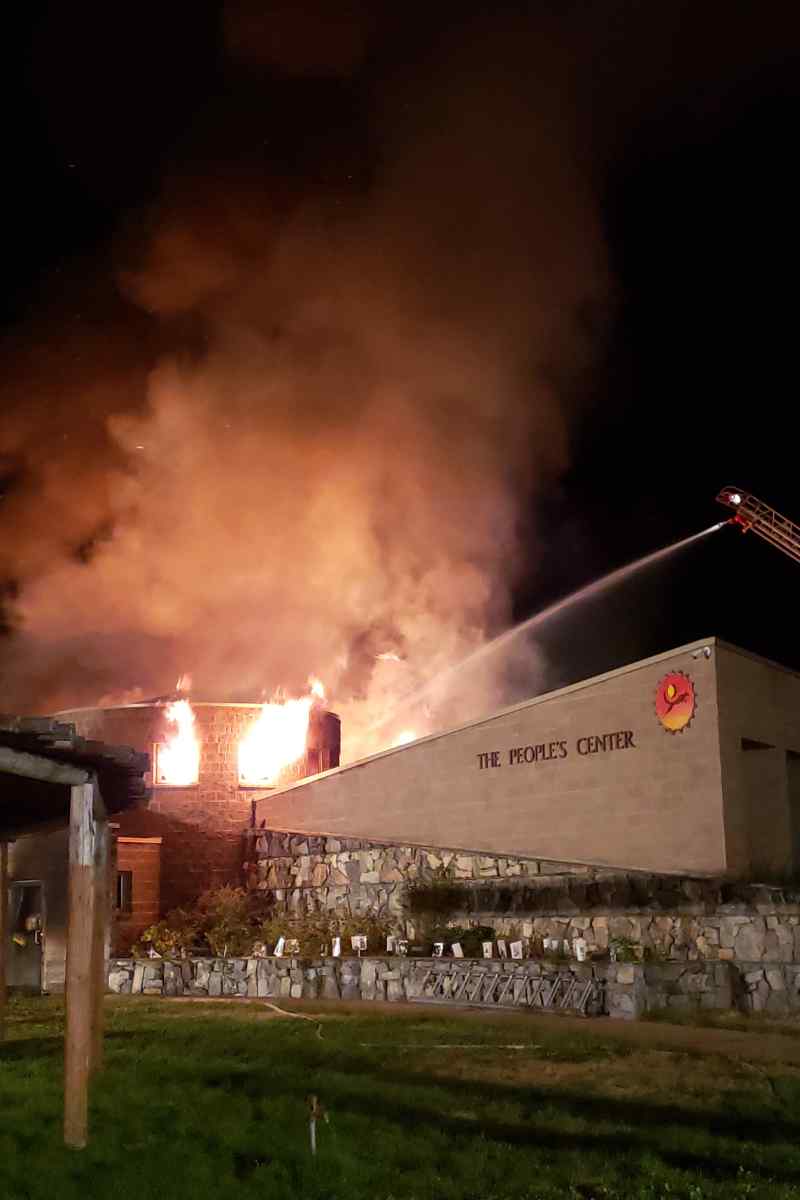
The powerfully cheerful ambience of the gift shop stands in shocking contrast to the dark events of September 6, 2020, when the Salish and Kootenai tribes' repository of hundreds of precious tribal treasures went up in flames.
At the end of a long, difficult summer when everyone was navigating the pandemic lockdown and all the other troubles of that ugly year, Julian Michael Draper broke into the locked People's Center cultural center and museum and proceeded to barricade the entrances. Draper, 33, had been arrested just the previous week for setting a fire at the old Plum Creek sawmill site less than a block from the People's Center and was out on bail. The Pablo man was reportedly suffering from mental illness and was convinced that fire was the only thing that would silence the demons that tormented him.
He set several fires within the complex. The fire was reported at 8:00 p.m. and firefighters responded but were hampered by the lack of a hydrant near the building, and with the doors barricaded and windows blocked, they couldn't get inside to douse the flames. A backhoe was eventually used to smash through a concrete wall. While working their way through the complex they found Draper lying on the floor in the offices at the rear of the building. He was dead.
After removing his body, they continued working through the night to extinguish the fire. The building was gutted, and the unthinkable loss of tribal artifacts, documents, photos and artwork sent shockwaves across the reservation and beyond, for Indians and non-Indians alike.
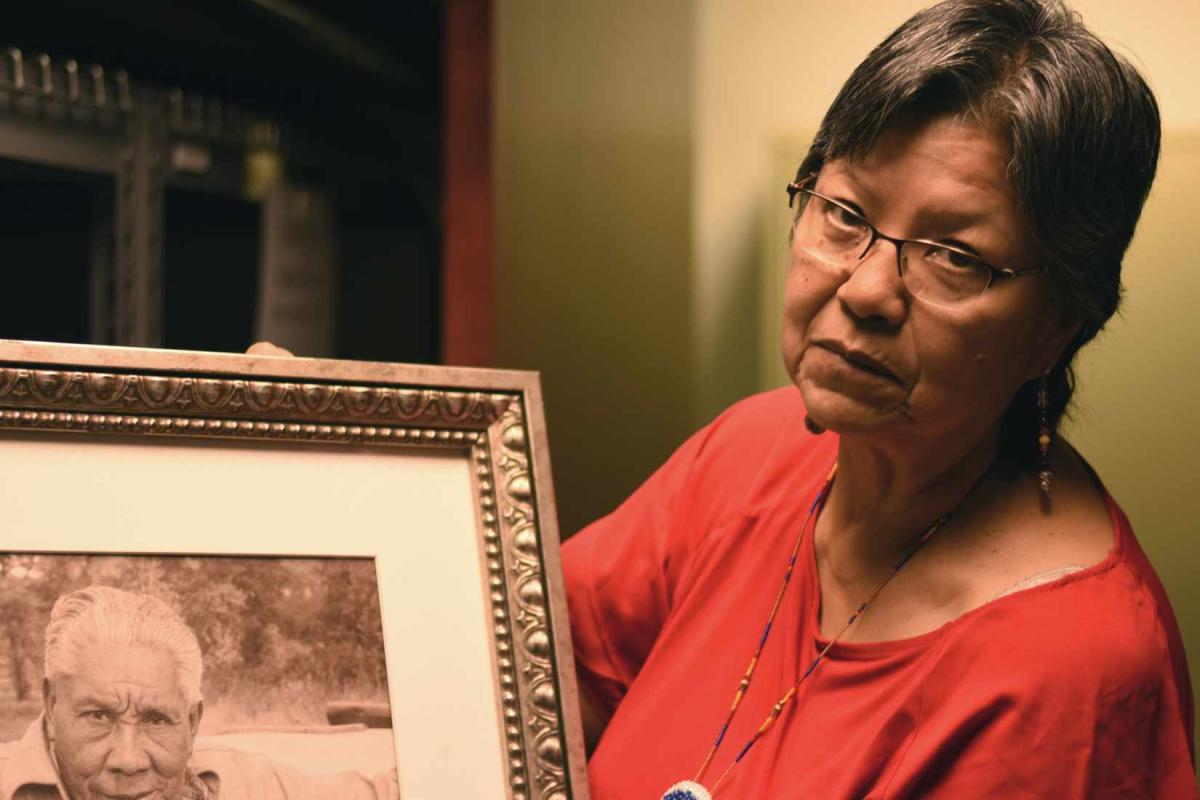
From the smoking ashes of the People's Center, which had opened in 1994, a new cultural center has been created with a new identity and a new name: Three Chiefs. The new name reflects the inclusion of the Pend d'Oreille tribe, which also has historic roots on the Flathead Reservation. Marie Torosian was the recently appointed program director at the time of that terrible fire, and she's leading the ongoing efforts to build the center back, bigger and better.
"The People's Center was an awesome place. It was a place for us to tell our stories, for our three tribes to share who we are as Sqelixw-Aqlsmaknik. That's the Salish and Kootenai name for the people," she said.
As the sun rose over the smoking ruins of the People's Center, Torosian and her staff feared the worst. Incredibly, the fire had spared the museum wing, as well as the educational section where cultural programs were held. Once the fire marshall determined it was safe, Torosian and her staff were allowed into the scorched building. The sense of loss was crushing, but as they moved through the mess, they began to find reasons for hope.
"We were devastated, yet surprised and tearful to see not only what was lost, but what was spared by the plexiglass displays. Smoke, water, heat and soot-damaged but intact. That alone gave us renewed strength to lead the way for all the volunteers to help remove each item carefully," she said. "Firefighters worked hard to try to save what they could. They got that hole in the wall and just started putting their hoses in there to douse everything. So it was like mud when we went in there and finally got in there and just started using the shovel to push things out the door the best we could."
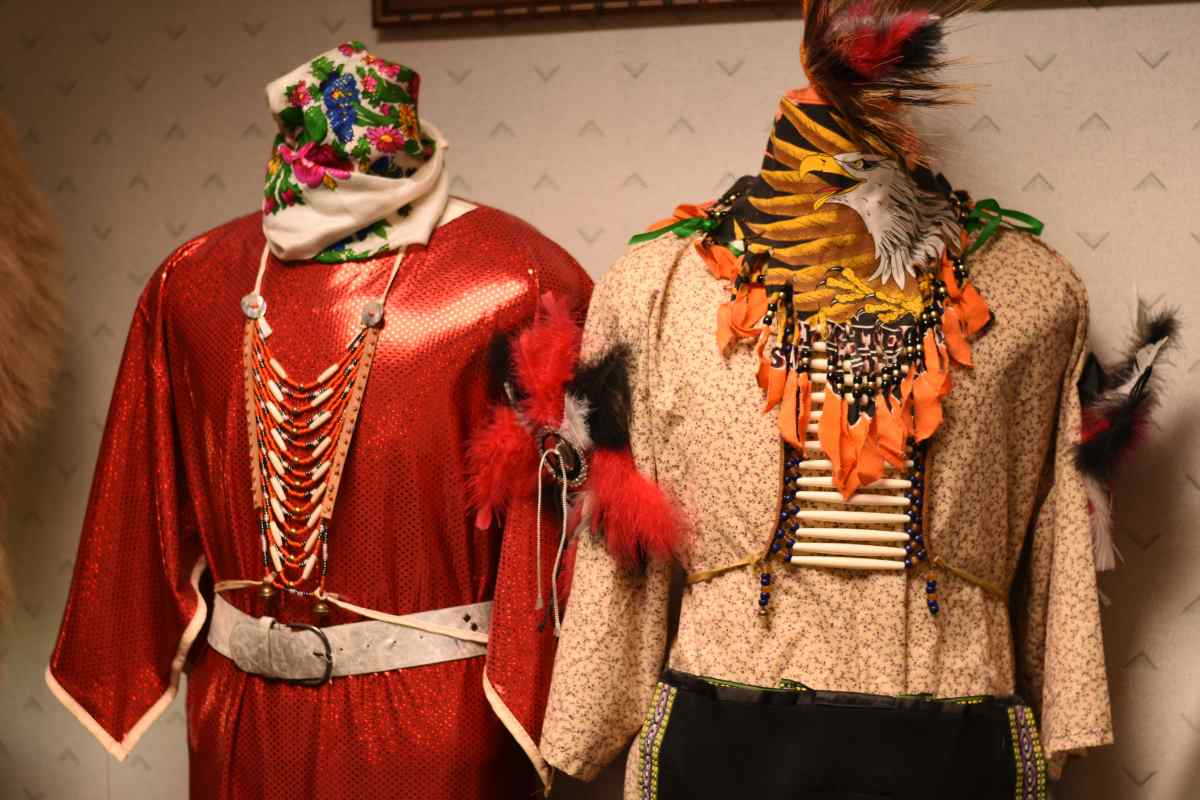
Several objects were burned beyond repair, such as moccasins, bone and bead breastplates and eagle feather bustles. As workers pawed through the muck, they began to uncover some items like beaded vests that were coated in the ashy goop but not damaged. The Salish Kootenai College opened a large room in the Joe McDonald building where the surviving objects were laid out to dry. All items were photographed, catalogued and assessed for damage.
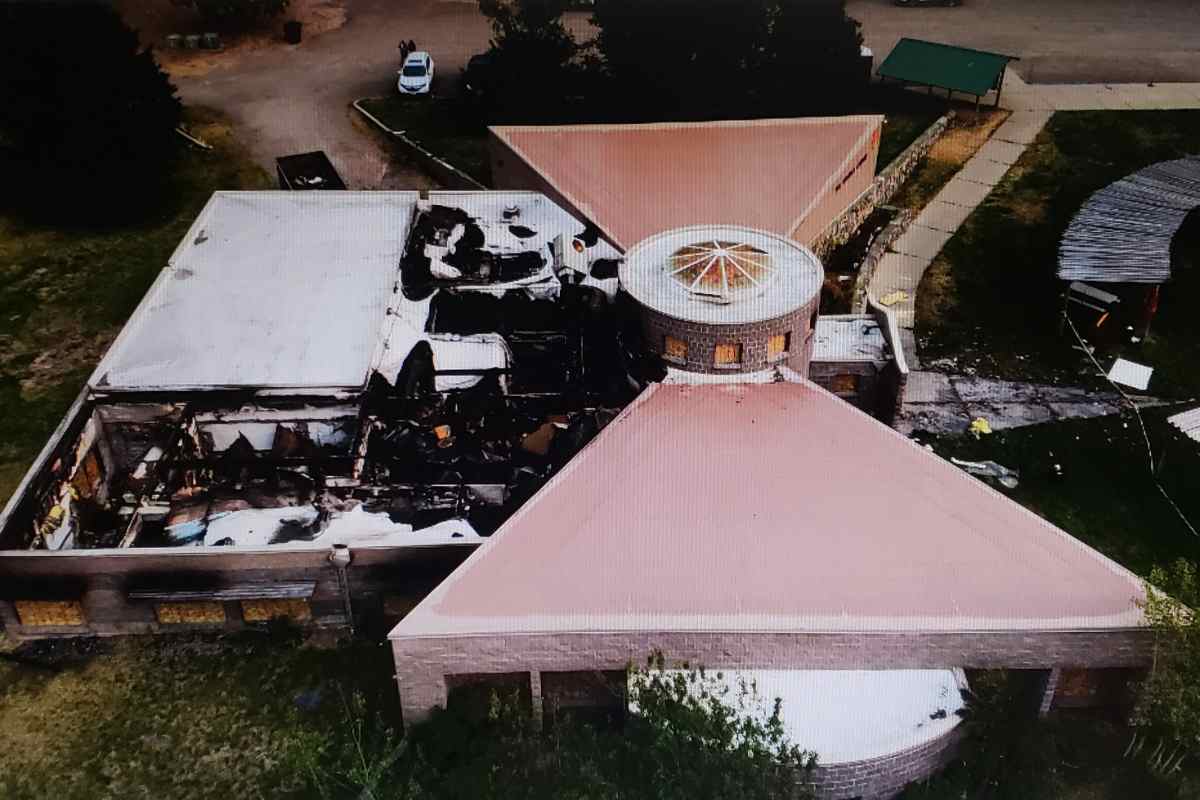
The arsonist had apparently taken several large paintings off the wall in the repository and lined them up to burn, but somehow they were intact, albeit covered in soot. Fortunately, although the repository was the hottest part of the fire, many of the museum's original paintings were protected. "We had a big fire-proof storage drawer system in there that when you opened it up there were paintings in them and pictures and those survived and we're pulling those out," said Torosian. "They were wet but we were able to revitalize them." She added that most of the exposed artifacts in the repository were lost.
Once all the objects were plucked from the mess and inventoried, staffers were relieved to find that, although they'd lost several items to fire, most artifacts in the museum had avoided the flames, although almost everything was affected by smoke, heat or mud.
"I'm not gonna sugarcoat anything," said Torosian of her sorrow in the days following the fire. "My staff and I, the first couple weeks after the fire, were lost. We were coming up every day and reporting to the college where the artifacts were laid out and being photographed. And there were some days I cried all the way up there. And I cried all the way home. It was just devastating to see all these items that we had worked with and cared for and we knew that they were a part of our ancestors. Yeah. And to see them in the condition that they were is heartbreaking and knowing that so much didn't survive."
Within days of the fire, offers of help came in from several sources, including the Montana Historical Society, which offered the use of several secure, fire-protected storage spaces in Helena. The Montana Museum Association, the Historical Museum at Fort Missoula, Nine Pipes Museum and others responded to the loss of the People's Center. Even the Smithsonian pitched in, sending restoration supplies.
Once the smoke cleared, the cleaning and restoration phase began. It was a daunting task, and experts were brought in from all over the West. Painter/appraiser Joe Abbrescia from Kalispell undertook the painting restorations, and his meticulous work managed to revive eight of the large paintings of tribal elders. "He was such an awesome guy to put in that type of work to get them back to life," said Torosian.
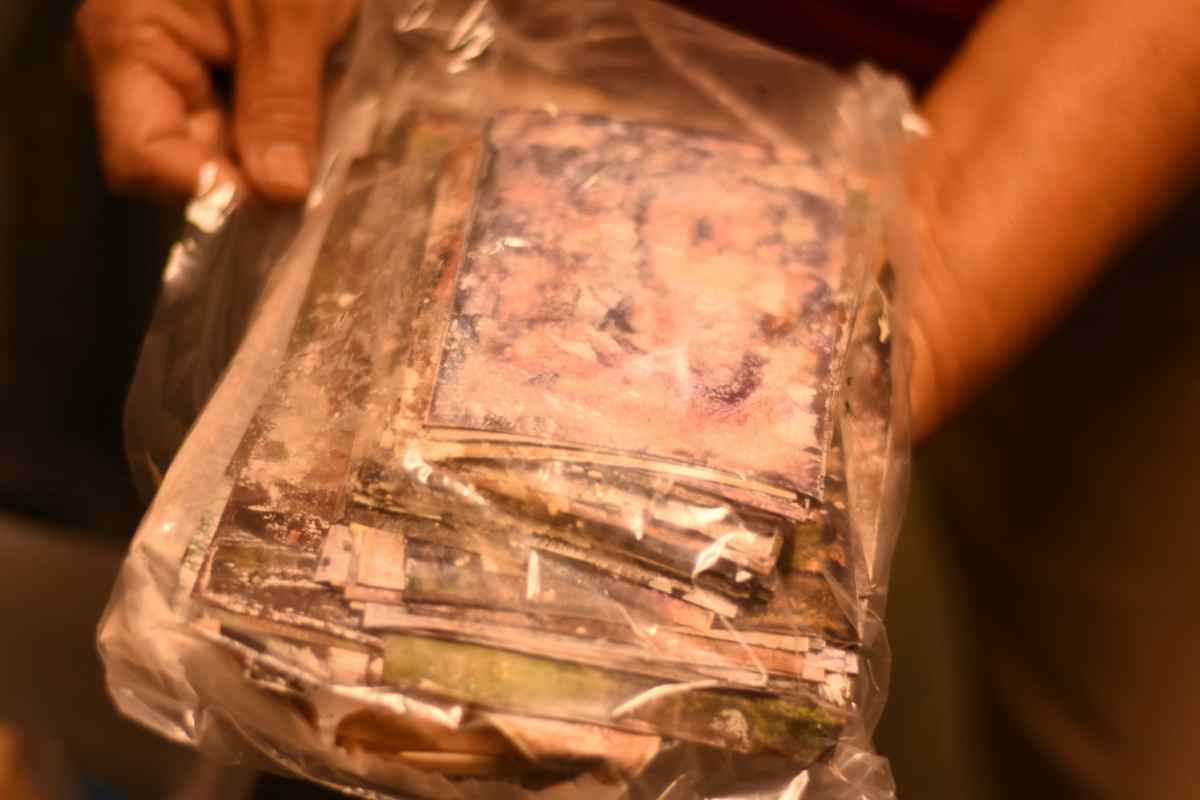
A specialist from Colorado, Jennifer McGlinchey-Sexton, was recruited to work on restoring documents and photos. Luckily, many of the photos were saved because they had been stored in albums. The albums themselves sustained heavy damage and many photos were destroyed. Miraculously, most of the photos within them were intact. McGlinchey-Sexton worked with several of the delicate pieces to restore them.
Renowned conservator Nancy Fonicello, whose Ancient Artways Conservation, LLC specializes in the preservation of indigenous artwork and cultural materials, brought her 40 years of experience to the cleaning and restoration efforts. She led the restoration efforts, teaching the Three Chiefs staff how to properly and respectfully handle the challenge of restoring the artifacts without causing further damage. Beaded items like vests, moccasins and even dresses were among the biggest challenge. Once they dried, a layer of soot was left behind, requiring many of the items to be cleaned bead by bead.
Much of the cleanup and relocation effort has been paid for with a grant from the Institute of Museum and Library Services. Unfortunately, the federal funding was cut off in May, leaving many cultural entities scrambling. Many staff members continued the work, unpaid. Even the new curator came in part-time on a volunteer basis.
Now, five years after the devastating fire, restoration work is finished. "Every item that was pulled from the fire has been taken care of," said Torosian. "It's not ever going to be one hundred percent. Anything that's beaded still has a little bit of soot underneath the beads. There's only so much work and chemicals you can put in there to clean those items. We learned a lot about cleaning," she adds with a laugh.
While running a cramped version of the gift shop and museum in the old Doug Allard restaurant building in St. Ignatius for a couple years, Torosian and her staff decided that it was the right time for a rebranding of the center. One issue they'd had was the popularity of the name "People's Center." Torosian did a quick Google search that turned up hundreds of businesses in the U.S. that shared the name. "We kept getting phone calls from people wanting to sign their timecard, or wondering where their W-4 was...trying to figure out their tax stuff and they're calling us. So it gave me another reason to look at a name change."
It was an opportunity to rebuild not just physically, but symbolically. Torosian noted that the Pend d'Oreille tribe, while distinct, was lumped in with the Salish because they share a language. She and her staff decided to give the Pend d'Oreille the respect of recognition.
"We have three tribes. We were historically governed by chiefs. They were our council. They were our president. They were our leaders. So one day I came to work and said, 'What do you guys think about Three Chiefs?' They all looked at me and they went, 'Oh, yeah. Hey, yeah!' So it was a communal decision."
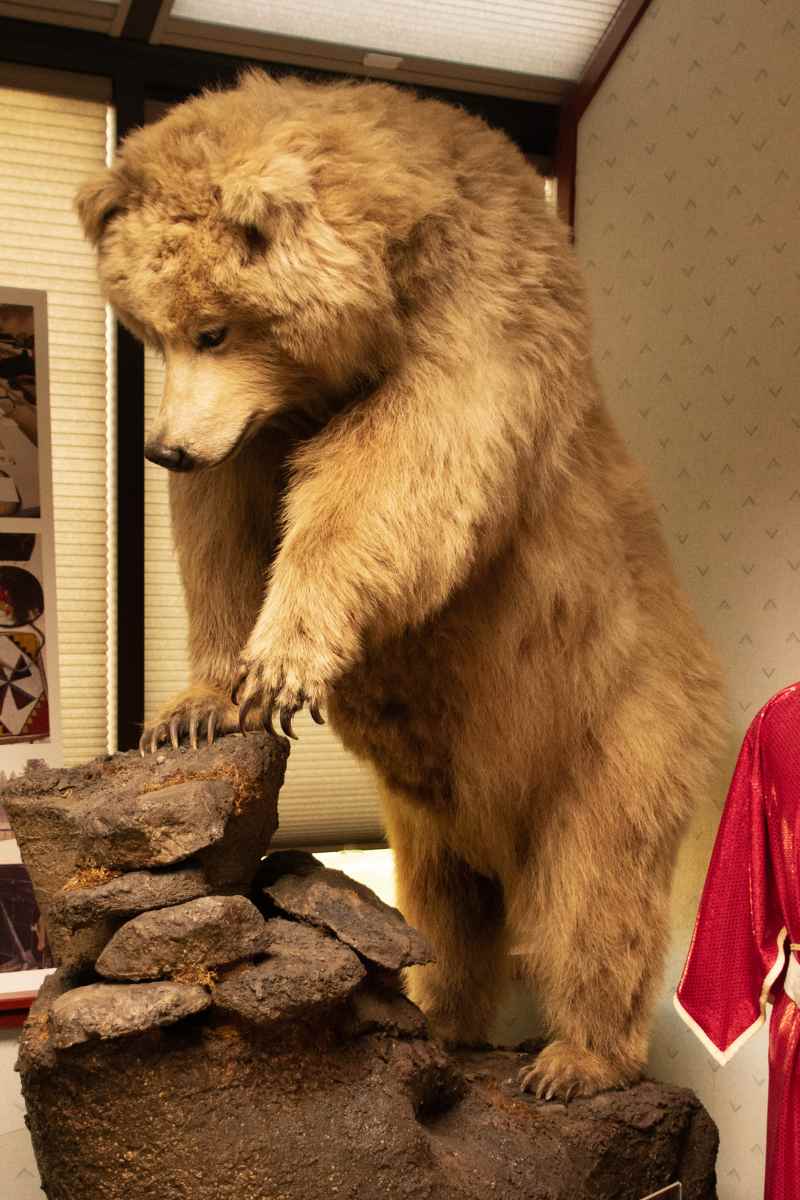
The tribal elders approved the new name at the next tribal council, and the Three Chiefs Cultural Center was official. They found a new home when the tribe bought the Glacier Bank building in Pablo. The new center opened in 2023 and has been ramping up to its former level of community activity and cultural programming ever since. This September they hosted the first Native American Awareness Week since 2020, which included a visit from an excited herd of 300 third-graders from Dixon.
The treasured cultural center is back in business and humming along, but Torosian and her Three Chiefs supporters have bigger plans. Grey Johnson has replaced recently retired curation technician Geri Hewankorn, and Grey works with Torosian and Amy Webster to research, design and maintain all the exhibits for the museum. The restored artifacts are displayed in two museum rooms, while other, more delicate items are stored—where else?—in the bank vault.
Nadia Askan serves as education coordinator for Three Chiefs, and oversees all education activities, which are the main thrust of their ambitious slate of cultural programming. And then there's that dazzling gift shop. The responsibility of ordering, stocking and presenting for sale the hundreds of Native-designed items and beading/sewing supplies falls on Loushie Charlo. She works tirelessly to maintain what has to be the most colorful gift shop in Montana.
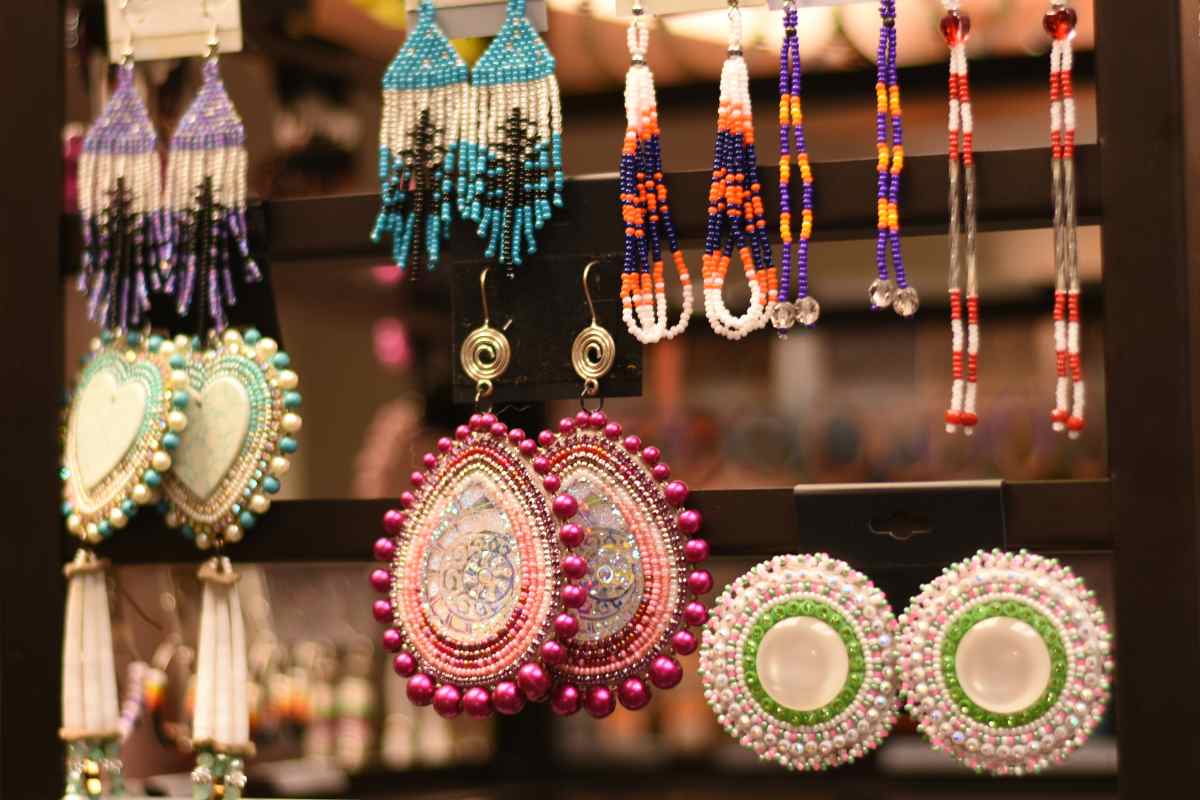
the Three Chiefs gift shop. Photo by the author.
The old bank location is secure and fire-protected, but Torosian has her sights set even higher. With the blessing of the tribal council, she's seeking an appropriate site to build an all-new facility. There are a couple of locations being considered but Torosian declined to elaborate. Once the land has been cleared for use, they'll kick into fundraising mode.
Meanwhile Torosian and many of her fellow Salish, Kootenai, and Pend d'Orielle tribal members still mourn the tragic loss of their beautiful and beloved People's Center, a powerful symbol of their Indian pride and cultural heritage. Still, Torosian keeps her gaze looking forward.
"You know, Stephen Small Salmon and Lucy Vanderberg, two of our elders, are our biggest supporters here throughout the years. Stephen's always been a part of doing presentations and teaching and sharing what he knows and Lucy's a past director. And they came right after the fire. They were there, comforting us and talking to us and encouraging us. 'Oh,' both of them had said to us, 'you know, it's time to grieve. Go ahead and grieve. You not only lost a facility, you lost part of what you were doing to tell our story and our histories, but don't forget that you still have those stories. You still have those cultures and traditions.' And I remember those words. It was like, we do, we do. And what we have left, we will continue to thrive with and continue to share who we are."
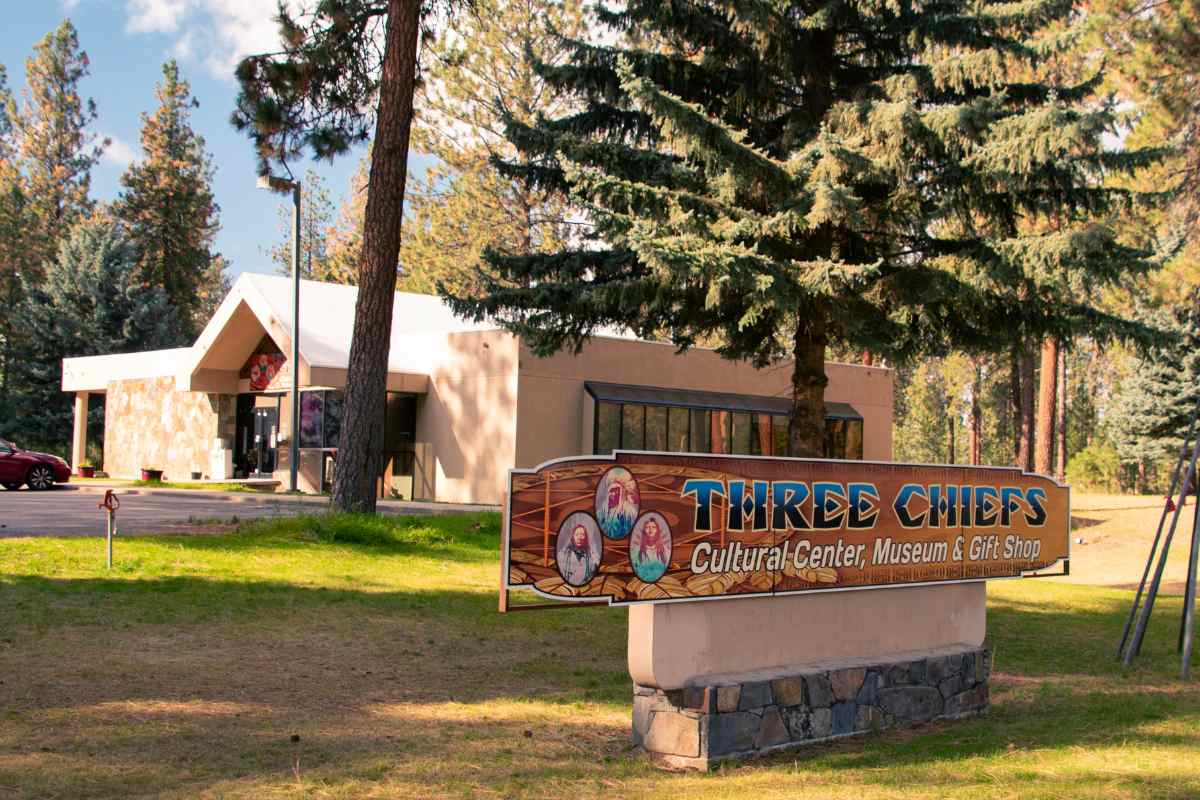
location in Pablo, in the former Glacier Bank building. Photo: Ednor Therriault










Leave a Comment Here