
Black Eagle Refuses to Fade Away
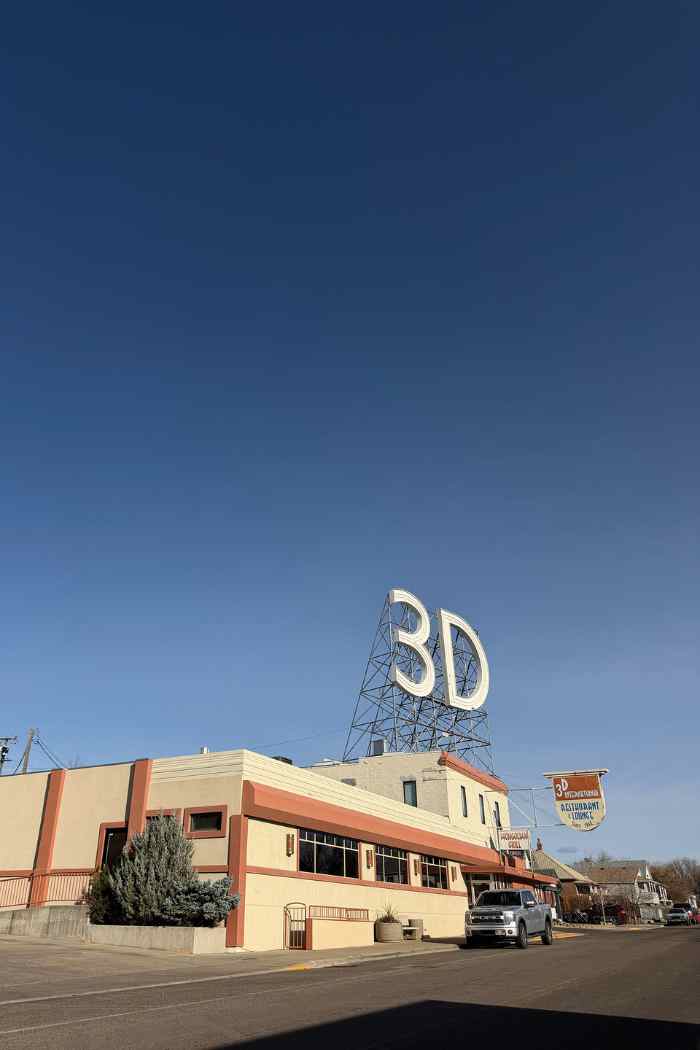
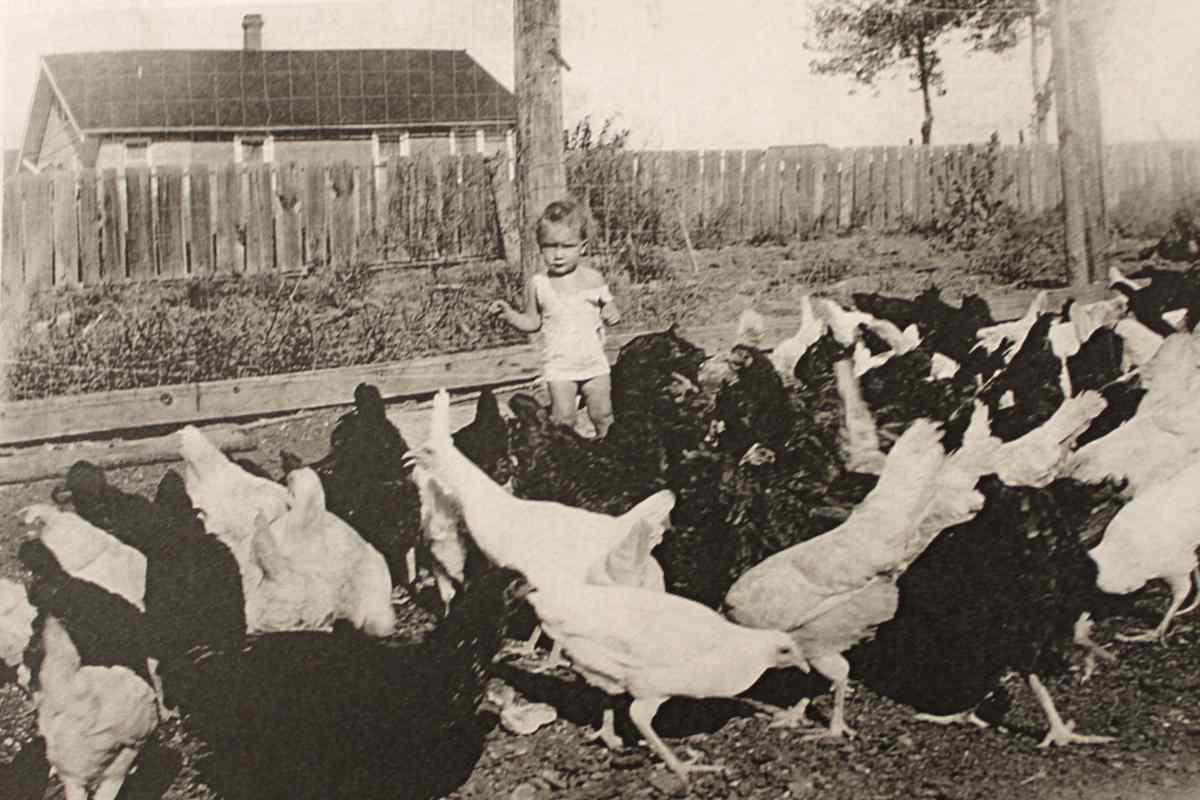
You turn east just beyond the Tenth Street Bridge at the corner of Smelter Avenue and Tenth Street North in Great Falls, Montana, you will enter the community of Black Eagle. Coming into view are early 20th-century homes sitting close to the street. If you peer into back yards, you may find space for gardens and maybe even a chicken coop. These homes could tell you vivid stories of immigrants who came to America to have a better life for themselves and their children. Laughter, old-country traditions, hard work, and an abundance of ethnic food became the starch that held families together during tough times.
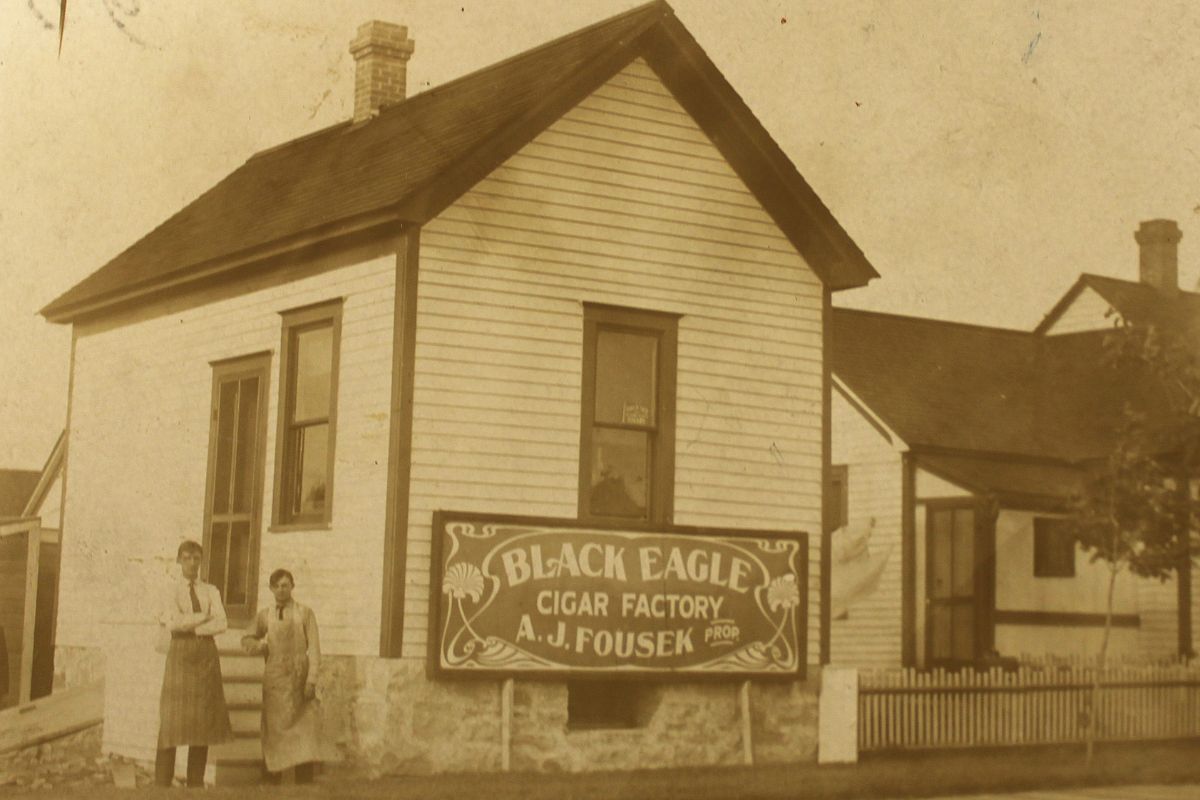
As Black Eagle grew, the community became a melting pot where to this day the last names of those who came here late in the 19th century continue to be prevalent. Before Black Eagle came into existence, early hamlets emerged adjacent to the community's major employer, the Boston and Montana Consolidated Copper and Silver Mining Company (B&M), that was later bought out and became the Great Falls Reduction Department of the Anaconda Copper Mining Company.
Beginning around 1890, men came west, looking for steady jobs. Many were immigrants who first lived in eastern cities, such as Milwaukee, Chicago, and Minneapolis. These immigrants were originally from European countries, including Italy, Croatia, Czechoslovakia, Greece, and the Scandinavian countries. Once they were settled in Montana, they found ways to bring additional family members from overseas.
These little hamlets developed as the company grew. Likely the first small hamlet to sprout was Little Milwaukee in around 1890-92. It spread out in what was called Nelson Coulee and was on the B&M property. In the beginning, the family in each dwelling paid the company 25 cents a month for rent. A one-time assessment of the community numbered 76 Italians, 19 Croatians, and 63 people of other descents. Population was estimated at between 150-250 individuals.

It has been said that the entrance into Nelson Coulee was so steep that those bringing in supplies by horse and wagon had to set their brake and hope they would successfully lurch, sway, and teeter their way down into the coulee without an incident. All kinds of dwellings were found in Little Milwaukee, from shacks to two-story houses. A grocery store and a confectionary were among the commercial businesses.
A pending flood gave the company an excuse to move the dwellings off the property that was needed for expansion in 1903. Many settled in an area that they called North Great Falls, which did not last long. Another community, Little Chicago, became an addition to the north and west of the edge of what is now Black Eagle, platted by Amy G. and James M. Burlingame—which is why it is sometimes called the Burlingame Addition.
Black Eagle rose up as these small hamlets began to disappear and sustained itself over the years. When the area grew to the point that it needed its own post office, the community adopted the name Black Eagle, for the lone eagle seen by the Lewis and Clark Expedition in a tree on a nearby island in the Missouri River. Presently Black Eagle is an unincorporated suburb of Great Falls, yet it is also a census-designated community.
At one time as many as twenty nationalities resided in Black Eagle. The children went to school together, became friends, and some were married. They grew up in a polyglot culture where they were comfortable with people who were "different." Some grew up speaking two languages at home and English at school.
The people of Black Eagle highly respected education. When Hawthorne, their elementary school, burned in 1909, they held a bond election to build a new school at the cost of $26,000. The bond election passed 99 to 3, and the brick building that became the center of the community was named first Hawthorne Elementary School, and later Fannie B. Collins Elementary School after the woman who was first a teacher and then principal of the school from 1909 to 1942. In addition to the school, the Blessed Sacrament Catholic Church was also a center that tied the community together.
The parents also wanted to learn English, and the school was often used for English as a Second Language classes in the evenings. "My parents were determined to learn English because their work put them out in the public," said Patti Peressini Kercher, "but my Italian grandparents spoke only a few words of English."
A famous person from Black Eagle was George Montgomery Letz. He first lived near Brady, Montana, on a ranch. His family moved to Black Eagle in 1927 when he was eleven years old. At the age of twenty-one, 6'3", handsome, and skilled as a horseman, George Montgomery went to Hollywood where Western movies were being produced in abundance; he became first a stunt man, next an actor, and finally a director. He was married to Dinah Shore, the popular pop vocalist, for nearly twenty years. He was also known for designing houses and became skilled in both woodwork and sculpting.
An annual event early on in Black Eagle was the processing of the grapes into wine. The men would check on railroad cars that came in loaded with Zinfandel grapes. They bought as much as a ton once they deemed a load of grapes was sweet enough. Next someone, usually boys, would get into barrels of grapes and mash them by stomping the grapes with bare feet. The juice would be drawn off to make wine and grappa, a brandy-like spirit made from the skins, seeds, and stems left over from making wine. Prohibition didn't seem to be a hindrance in Black Eagle.
The first generation gained from their parents a deep, abiding love for this country. In the windows of Black Eagle homes during World War II, service flags were displayed. Around 140 sons and daughters from this small community of 1,500 individuals served in the armed services.
After the Tenth Street Bridge was finished in 1920, Black Eagle started blending with Great Falls. People could drive over the bridge to do their shopping. In 1980 the smelter was shut down and the stack blown up. For a time, gloom loomed over Black Eagle.
When the Anaconda Company gave Black Eagle the Anaconda Community Center for $10.00, the Black Eagle Cascade County Water & Sewer District for a $1.00, and the nine-hole Anaconda golf course and the land to add another nine holes to the Great Falls Park and Recreation Department, the community of Black Eagle began to lift its head. Also, agricultural companies started buying up property to the north of Black Eagle for their establishments.
Black Eagle flourished in the surrounding arms of the greater Great Falls community, but its ethnic flavor remained. Black Eagle continues to be of historical significance. Currently 905 people are proud to call the community home. The quarterly newsletter, The Black Eagle Times, provides news of the latest community activities. The Black Eagle Civic Club, which meets monthly, is presently planning a cookbook of ethnic recipes as well as a reunion this summer of those who attended Collins School.
The Black Eagle Technical Advisory Group focuses on matters that make a difference in the community. A yearly spring cleanup date is always observed in April. Black Eagle has its own volunteer fire department and a park that the community maintains. As a writer who reflected on the history of Black Eagle in the community-written book, In the Shadow of the Big Stack, wrote, "If there is something truly unique about Black Eagle—something that will not let go—it is the people, who will not let go of Black Eagle."







- Reply
Permalink