Teresa Otto is a freelance writer, photographer, and retired pediatric anesthesiologist based in Billings. When she’s not traveling around Montana or our big, beautiful world, she serves as a waitress and housekeeper for two rescued cats and a dog. Follow her travels at www.thenomadsdaughter.com.
Montana voted in Prohibition in 1916, in part due to the persuasiveness of the Women’s Christian Temperance Union. They had whipped the voters up into a frenzy over the evils of alcohol. In late 1918, Prohibition under the 18th Amendment began in Montana—at least on paper.
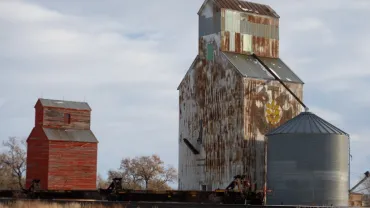
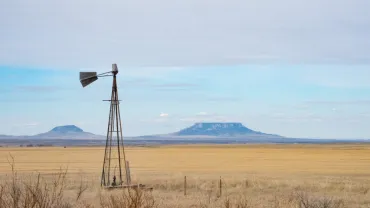
Across the Great Plains in both the U.S. and Canada, up to 30,000 prairie skyscrapers dotted the landscape during their heyday in the 1920s and 1930s. Today only about a third of the old wooden grain elevators are left.
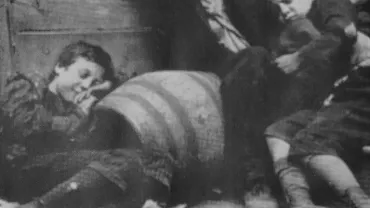
By 1854, an estimated 34,000 abandoned or orphaned children filled New York City's streets. Many of their parents had immigrated to America, lured by the promise of free land out West.
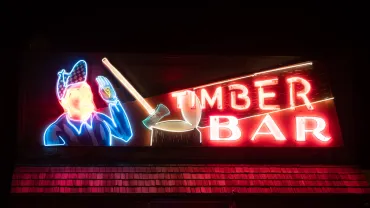
It started with a random photo of the Top Notch Lunch sign in Great Falls. Originally an ice cream parlor, the sign was added in 1938 when the place became a diner. As I sat in a booth near the back of the cafe, enjoying a sloppy joe that was too big to pick up, I knew this sign was just the beginning.
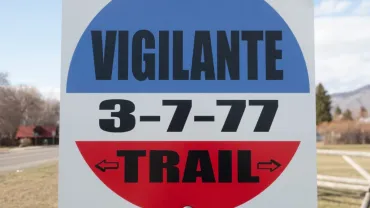
A popular theory is it’s the measurements of a grave,” Evalyn Johnson, author and archivist at the Thompson-Hickman County Library in Virginia City, said. “But no one knows for sure,” local writer Angela Mueller added.