

Gil Mangel's Diorama of America
There was a time—and not so long ago, either—when there were no museums in the world. And no dioramas, either. The first use of the word diorama referred to an enormous double-sided painting on linen that could be viewed through a small hole. Using tricks of light, the painting would appear to change from day to night, from storm to calm. This, the first diorama, attempted to show us nothing more ambitious than a regular day. After the yen for the building-sized magic cabinets died off, the diorama would become the name bestowed on the realistic whole achieved by the combination of perfectly taxidermied specimens and expertly painted backdrops. These, like the Akeley Hall of African Mammals at the American Museum of Natural History in far-off Manhattan, aimed to make the viewer feel in every way possible as if they were in the wild viewing, in some candid pose, a real animal. From there, the diorama evolved into the purview of elementary school students and science fairs, dusty old displays on smudged glass.
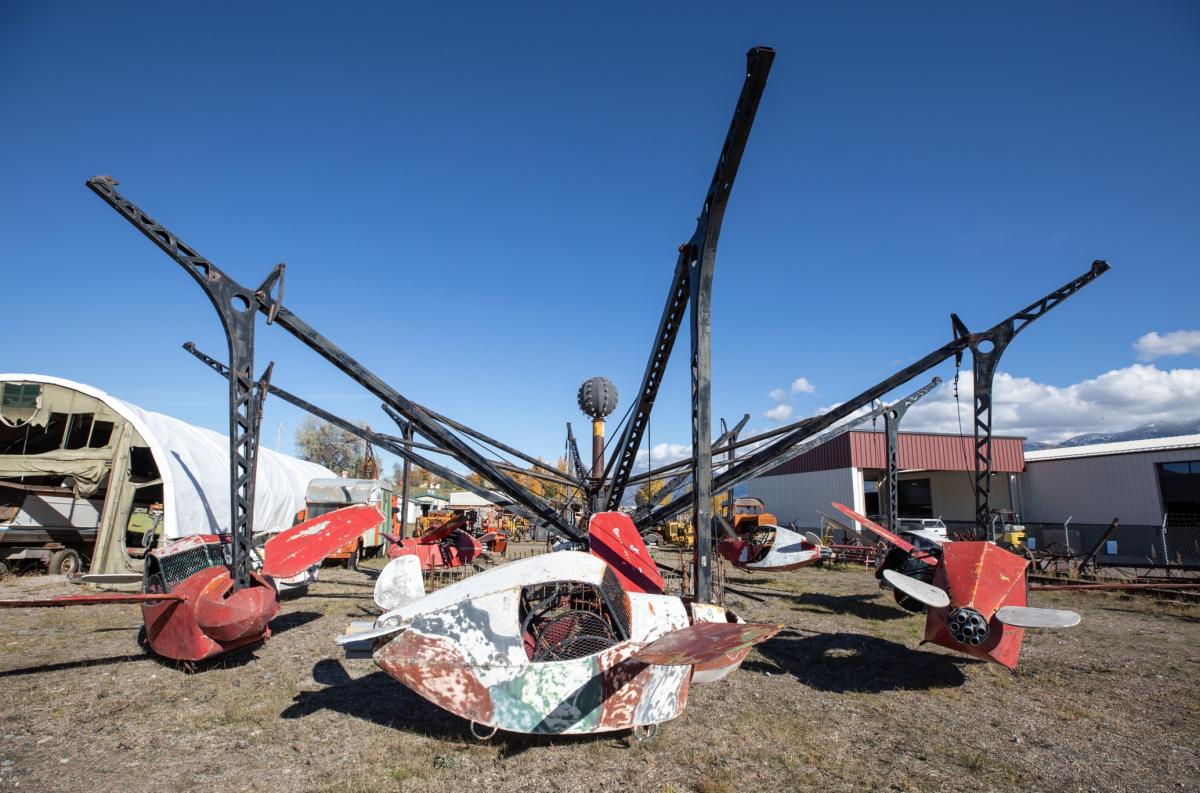
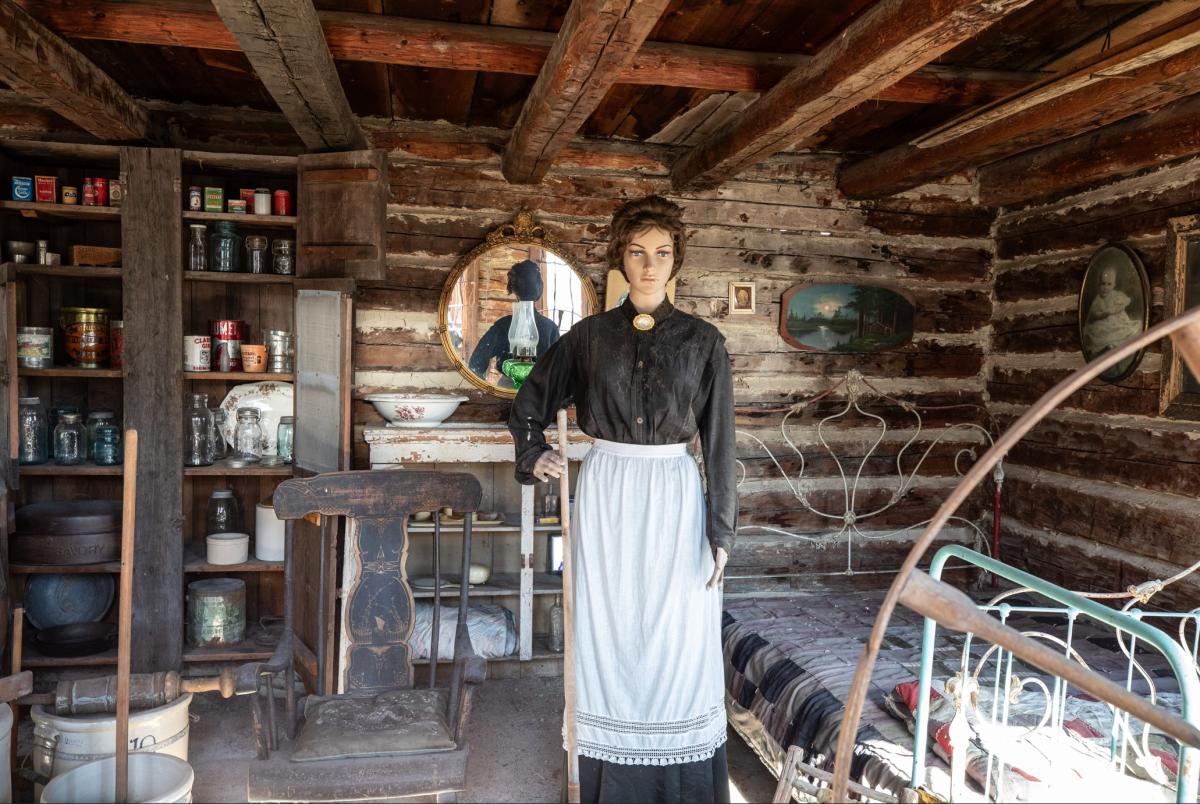
The Miracle of America Museum in Polson, Montana, is a confounding puzzle. If it is a museum, then what is it a museum of? And if the displays planted across the MoAM's 4.5 acres and contained in its more than 40 buildings aren't dioramas, then what are they? Is the sprawling compound, loaded high with one man's treasures, really a miracle? Yes, indubitably. The man who designed the museum is Gil Mangels. Born in 1942, he has spent his life collecting anything he could find. It started with an old arrowhead, and it continues apace. He first opened his collection in the early 1970s before opening the museum at its current location in 1985. He was 43 at the time.
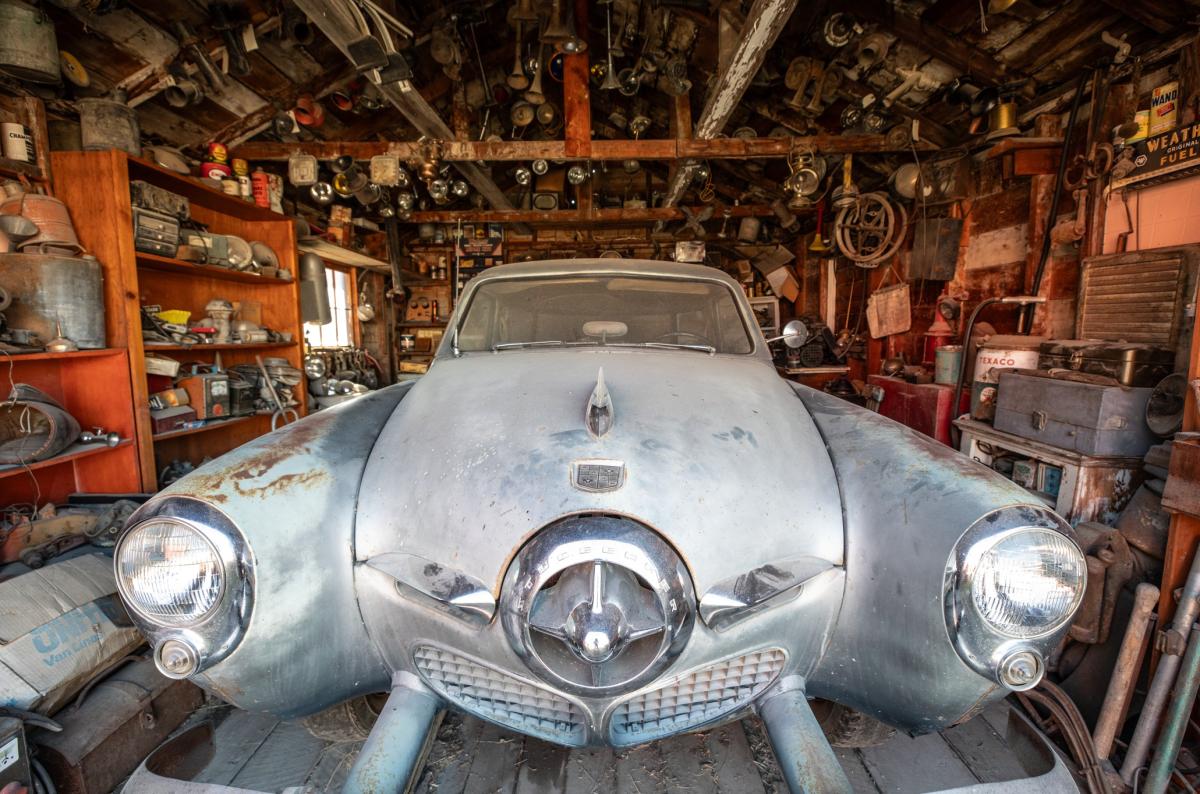
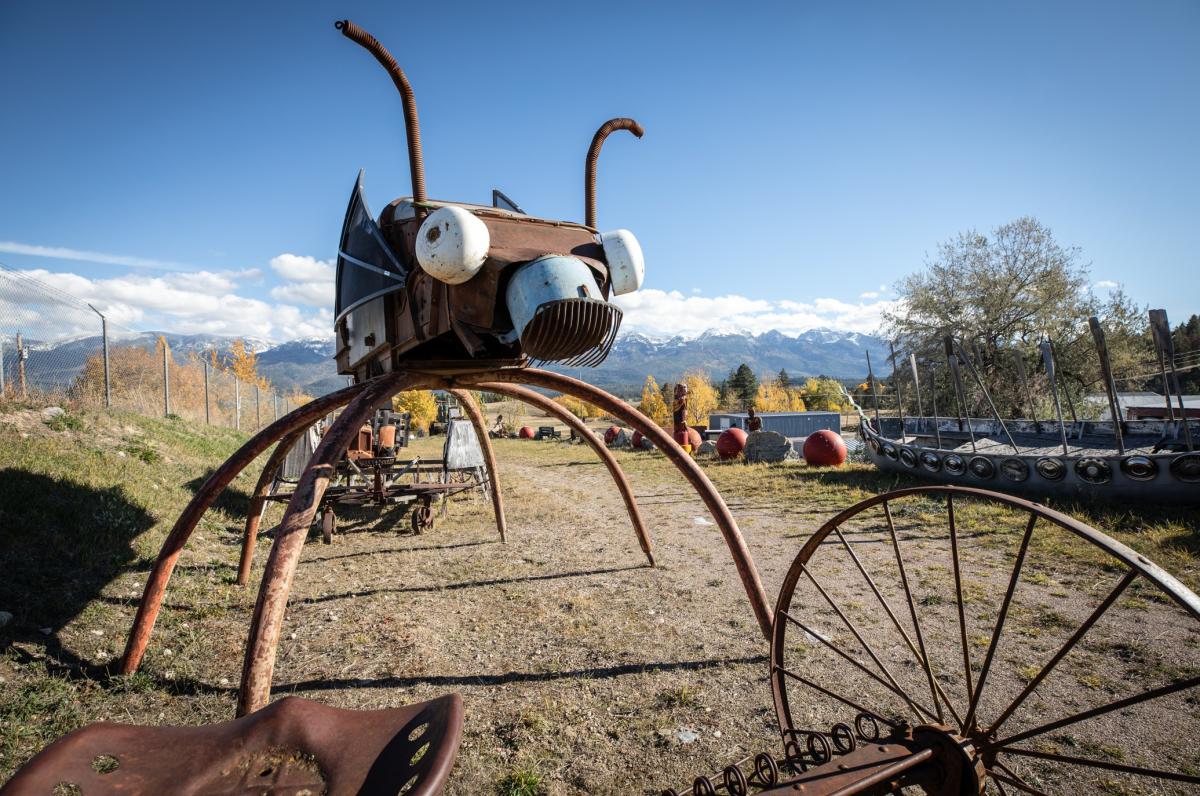
The museum appears to be a tribute to the American Dream circa 1925-1967, featuring a wealth of art, technology, and cultural objects from the post-war era, arranged into displays that can only be called dioramas. Yet unlike the mountain gorillas of Manhattan's encased enclosures, the scenes depicted in Gil's giant collection are not, decidedly, realistic. Boats are suspended above automobiles like cartoon thought bubbles. An alien autopsy (performed with authentic 1940s and 1950s medical instruments) shares space with a reenactment of an old-fashioned soda hop. If the collection skews toward the mid-century, it feels apropos for Gil's hyperreal, maybe even surreal vision of America. A "Viking" longship created out of hubcaps vies for attention with a two-headed calf and a metal scrap sculpture of a giant insect right out of a 1950s science fiction movie. And then there are the motorcycles—Gil's particular pride, especially this one, his favorite, with his granddaughter Des pictured in the sidecar.

The Miracle of America Museum is a diorama of America—or more specifically, given its international and even sometimes cosmic range of artifacts, it is a model of one Montana man's view of the America he grew up in. That it is presented with all of the oddity, strangeness, and good humor of its founder elevates it above the merely informational into the rarified realm of the miraculous.
Enjoyed this story?
Montana has more layers than most people ever see.
Distinctly Montana finds them, four times a year. Subscribe and get every issue.

































Leave a Comment Here