
The Museum of Mountain Flying
The Boneyard That Became a Museum
In 1924 Missoula, Montana didn't even have an airport. Why would it? The airplane was a recent invention only 21 years old, and Missoula herself a small mountain town of around 12,000 to 13,000 people.
Still, Bob Johnson, visionary and entrepreneur, saw a need. He founded the Johnson Flying Service that year, and for nearly the next fifty years, the JFS would fly Missoulians and visitors to Missoula wherever they needed to go in their fleet of planes. In the early days, Johnson would charge folks a penny a pound to tour the skies above Garden City and surrounding environs.
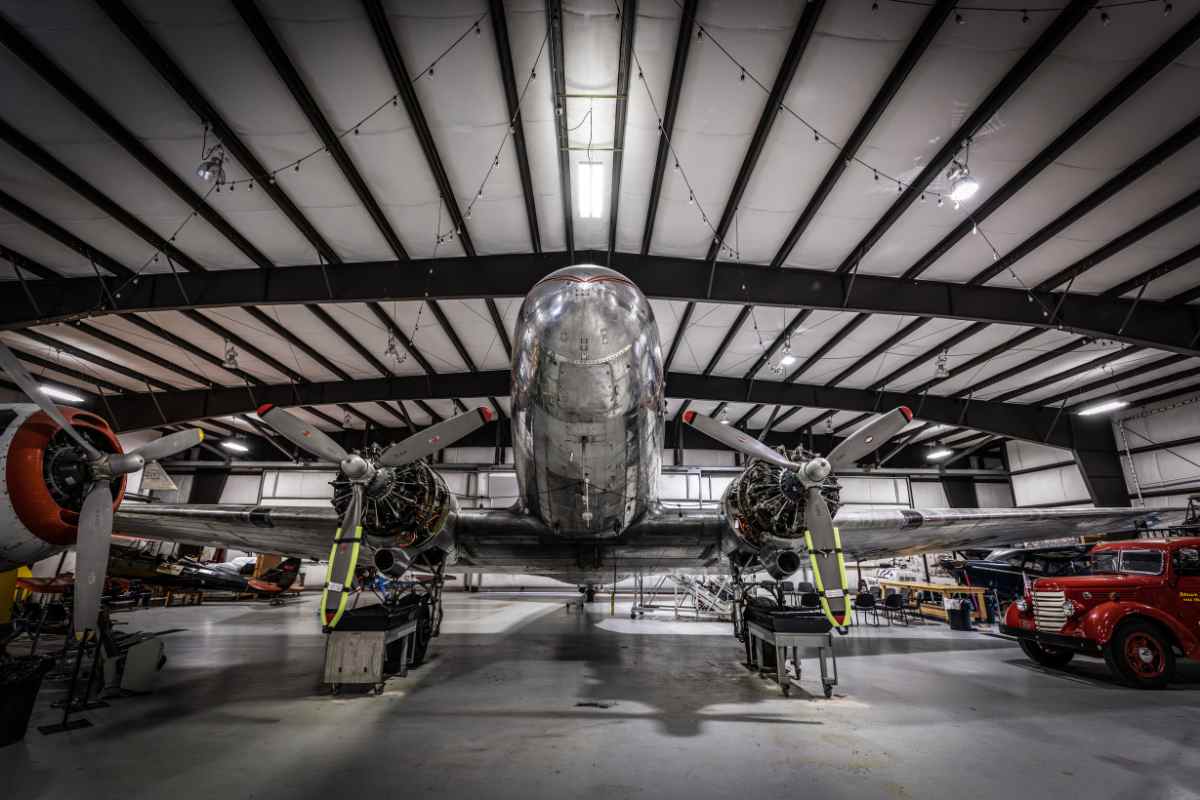
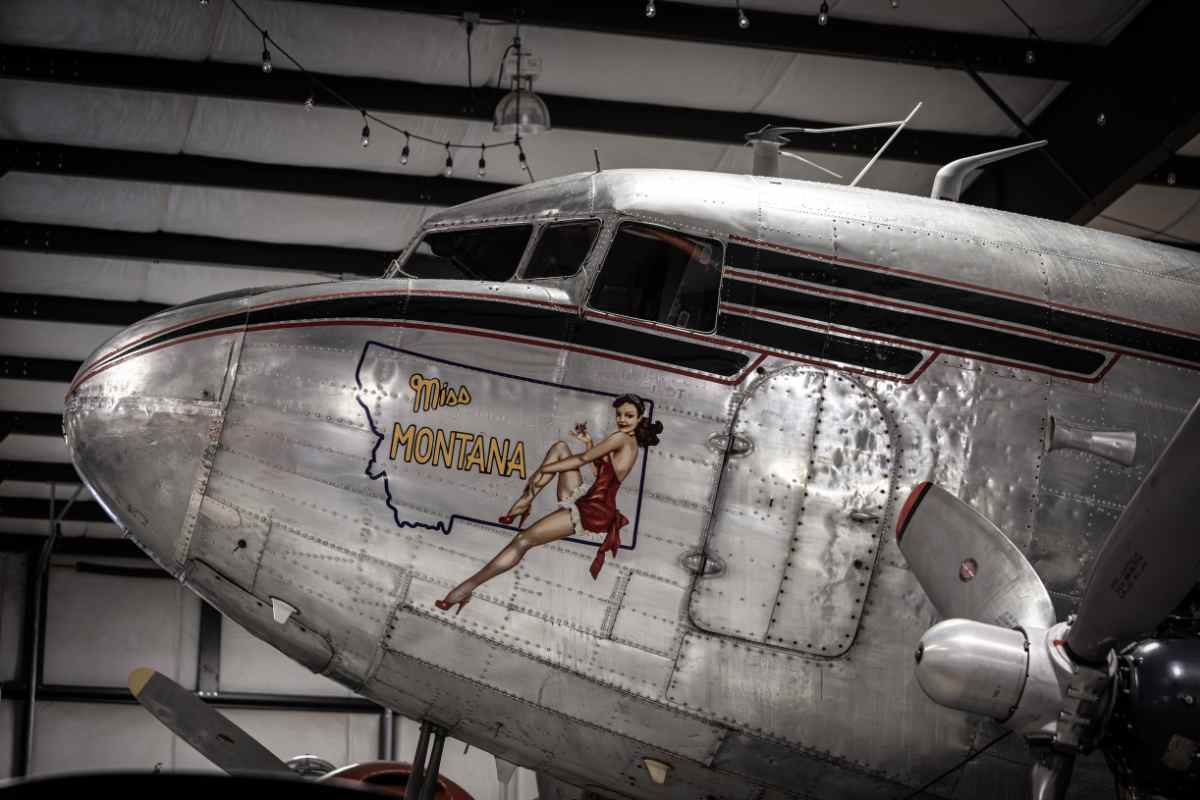
Eventually, JFS would win the government's contract for providing planes to airdrop smokejumpers into the mountains. The first such drop would occur in 1940, when a Travel Air was used to drop a firefighter near Moose Creek. In 1949, amid the tragedy of the Mann Gulch Fire, immortalized by Norman Maclean in Young Men and Fire, the C-47/DC-3 N24320 now known as Miss Montana flew the smokejumpers to the drop zone in the ill-fated mission that would see the deaths of 13 firefighters.
By March 31, 1950, their fleet had grown to include 2 DC-3s, 3 Ford Tri-Motors, and 26 smaller aircraft, and in 1963 alone they made $902,000 in revenue—82% of which came from US Forest Service contracts.
But in the early 1970s, following a series of deals and acquisitions that fell through, Johnson, then in his late 70s, was looking to sell the business. After the government rewarded another flying service the contracts for flying smokejumpers, Johnson sold the business to Evergreen Helicopters. Bob Johnson would die in 1980 at the age of 87, having made an outsized impression on the skies above western Montana.
Then, in 1993, the remains of the Johnson Flying Service—the boneyard—was purchased by Stan Cohen, Dick Komberec, and Steve Smith with the intention of turning it into a museum of Montana aviation. They borrowed a half-empty hangar from the Missoula airport, applied for non-profit status, and raised money with a high-flying airshow for the public in 1995.
Perhaps one of their greatest achievements was locating the very same C-47 that had flown during the Mann Gulch incident and, after raising the $125,000 necessary to purchase it, they acquired it for the museum.
Then, in 2018, the decision was made to fly Miss Montana to Normandy for the 75th anniversary of D-Day. She wasn't yet airworthy, so the museum acquired another DC-3 to train with while Miss Montana was restored. In 2019, crewed by Eric Komberec and others, she flew to Normandy, with stops at Duxford and Caen, before making the return trip home to Missoula—where she sits proudly today, having been named the official state plane of Montana in 2023.
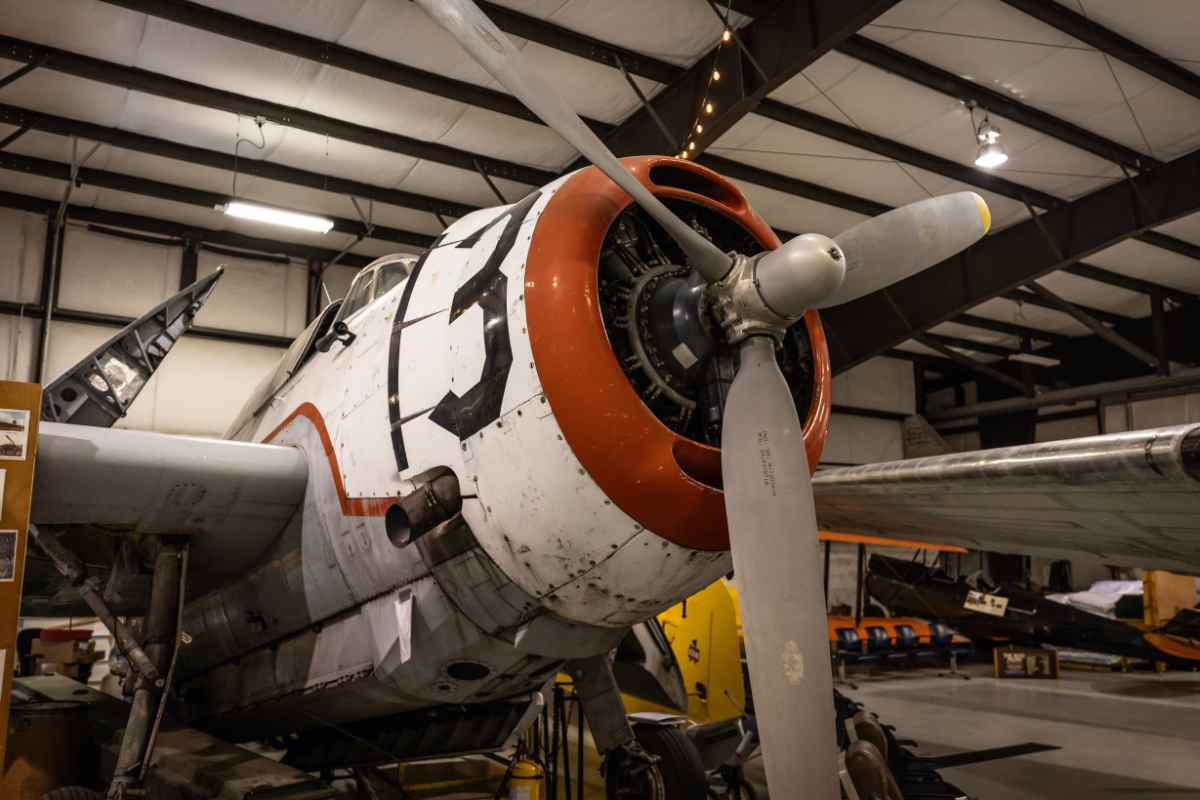
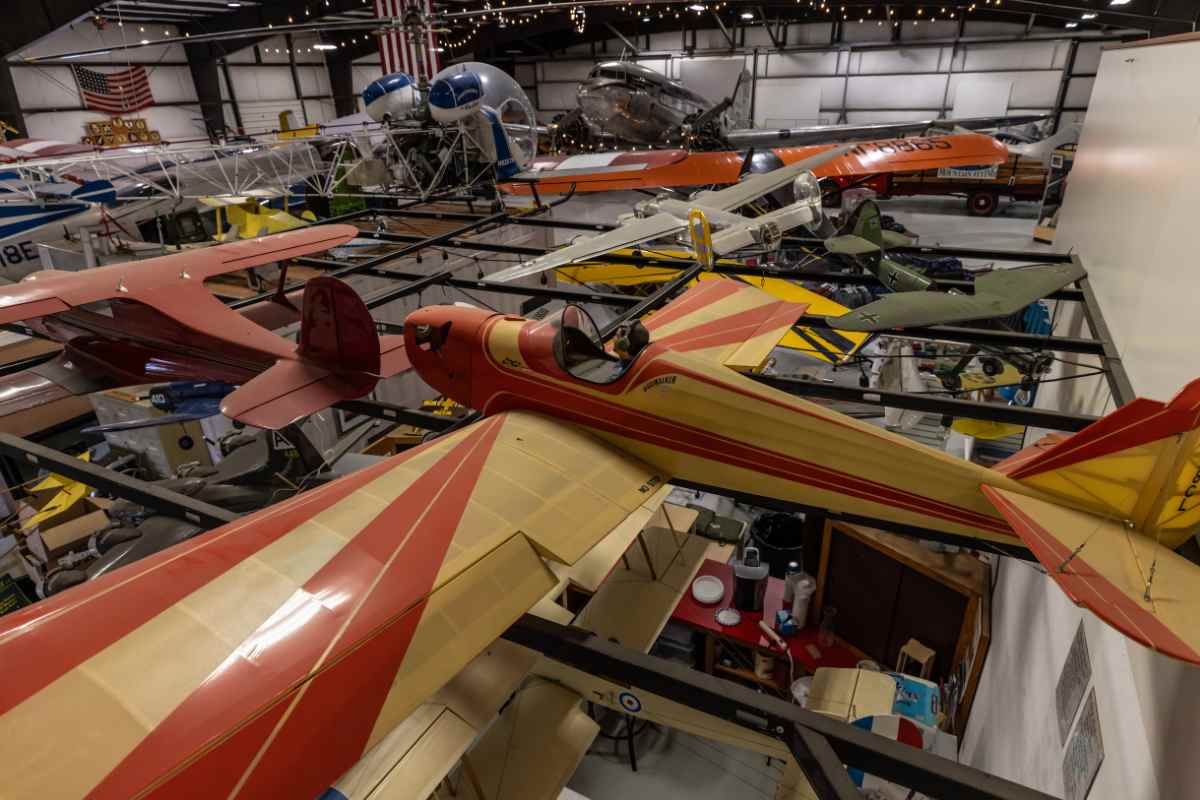
The museum has a number of other remarkable planes, including a 1929 Travel Air 6000 on loan from founder Dick Komberec (one of only six still-flying Travel Airs in the world), a WWII-era TBM-3 Avenger torpedo bomber that flew with the JFS from 1967–1975, a Howard DGA-11, a Bell 47G helicopter, and an A-26 Invader prominently featured in Steven Spielberg's supernatural smokejumper romance Always (1989), which was filmed in Montana.
The Museum of Mountain Flying operates today with no employees, only volunteers. It is open every day from Memorial Day weekend to mid-September in Missoula, Montana, the town that proudly calls itself the birthplace of mountain flying.
Enjoyed this story?
Montana has more layers than most people ever see.
Distinctly Montana finds them, four times a year. Subscribe and get every issue.






Leave a Comment Here