
Ten New Faces for the Gallery of Outstanding Montanans
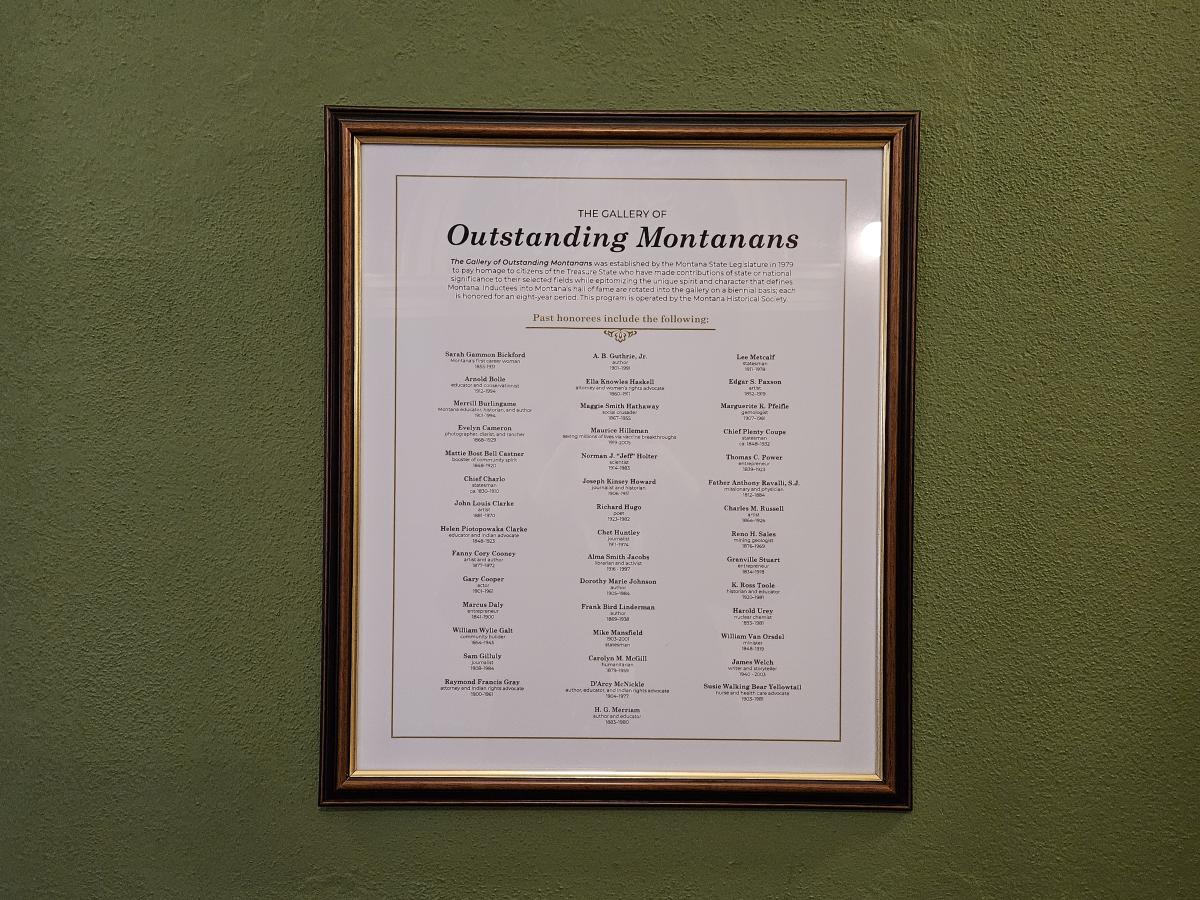
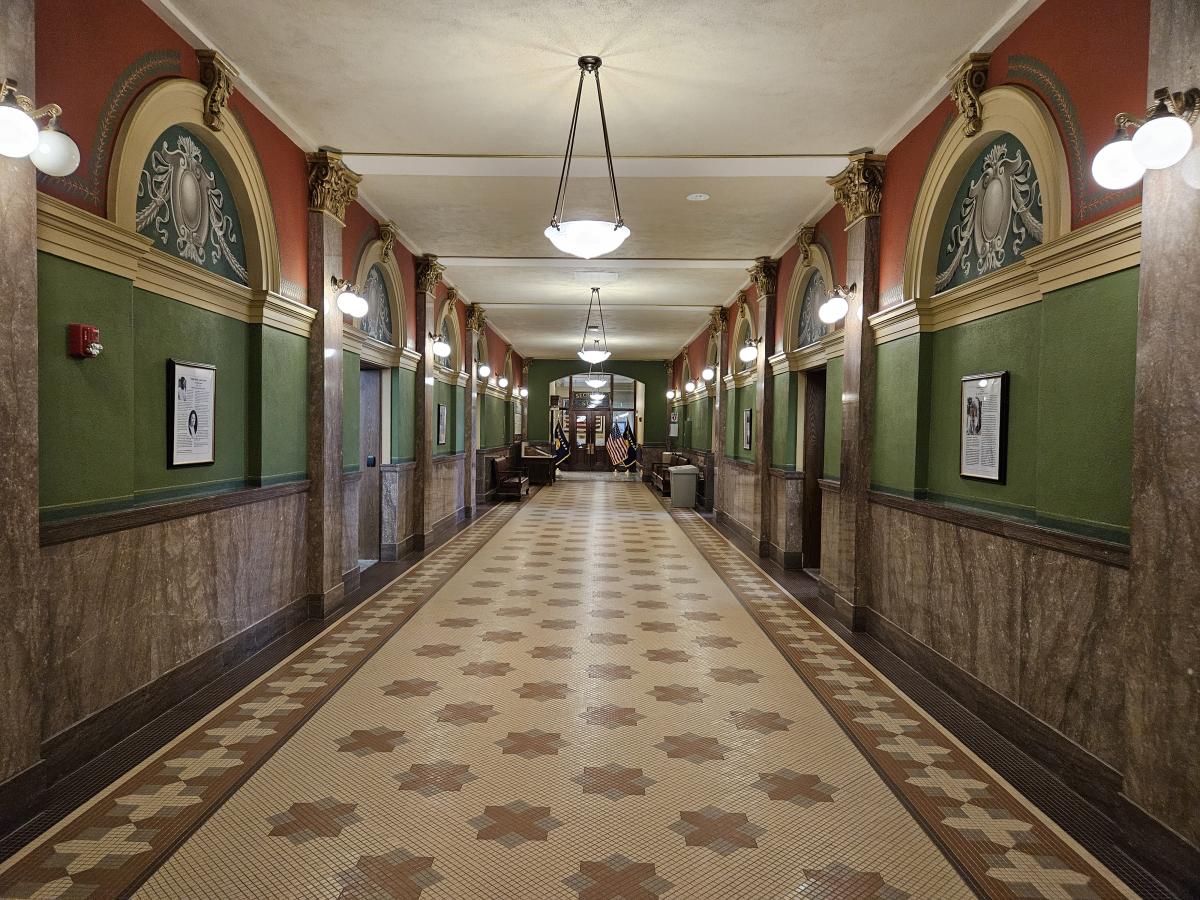
A Chinese physician who kept his practice open in Butte through decades of anti-Chinese violence. A Blackfeet banker who took the federal government to court and won the largest settlement in American history. A prisoner of war who drew the Bataan Death March while he was still living through it. All were Montanans, and beginning in 2027 their likenesses will join the walls of the State Capitol.
The Montana Historical Society has named ten new candidates for the Gallery of Outstanding Montanans, the honor reserved for citizens who shaped the state or the country at large. Created by the Legislature in 1979, the Gallery pulls its honorees from every era and corner of Montana, and each earns an eight-year display in the Capitol. The Society issues a call for nominations only once a decade. This is that rare year. The next round won't come until 2036.
The ten will be inducted two at a time over the coming decade, starting in 2027, with ceremony dates announced as they approach. "Each of these ten individuals contributed to Montana, and in some cases, changed the nation," said Martha Kohl, who manages outreach and education for the Society. Their stories, she notes, "span a remarkable range of lives, fields, and eras."
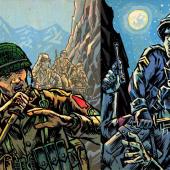
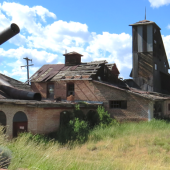
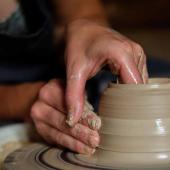
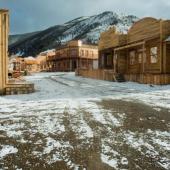
That range is the whole point. Charles and Sue Bovey spent their fortune saving Virginia City and rebuilding neighboring Nevada City, rescuing Montana's gold-rush towns before they could disappear. Frances Senska, the Montana State University potter known as the "grandmother of ceramics in Montana," helped found the Archie Bray Foundation and taught generations of the state's artists. Benjamin Steele survived the death march, kept drawing as a POW, and came home to teach art for decades at Eastern Montana College in Billings.
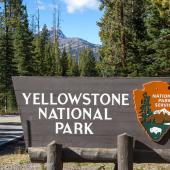
Others left their mark on how Montana governs itself. Louise Cross was one of 19 women at the 1972 Constitutional Convention and the only one to chair an article committee, where she fought to write a "clean and healthful environment" into the state constitution. Cornelius Hedges, an 1870s explorer and Montana's first Superintendent of Public Instruction, helped turn the Yellowstone country into the nation's first national park. Emma Ingalls, among the first two women elected to the Montana Legislature, introduced the 19th Amendment in the state House for ratification.
Then there are the ones who pushed against the odds of their time. Dr. Huie Pock treated patients of every background in Butte from roughly 1895 until his death, defending Chinese Montanans against exclusion laws and open hostility. Elouise Cobell, treasurer of the Blackfeet Nation, helped launch the first tribally owned bank before spending years as lead plaintiff in Cobell v. Salazar, the trust-mismanagement suit that ended in a $3.4 billion settlement for nearly half a million Native Americans. George Horse Capture, an A'aninin (Gros Ventre) scholar, became one of the country's first Native American museum curators and helped shape the National Museum of the American Indian, insisting it be built "for Native peoples, not just about them." And Harriette Cushman, one of the few women in agricultural science of her day, organized the nation's first egg and turkey wholesale cooperatives and made Montana's turkey trade the most profitable in the country through the Great Depression.
Ten lives, one state, roughly a century and a half between them. Induction dates will be announced year by year as each ceremony nears. More on the Gallery and its past honorees is at mths.mt.gov/education/OutstandingMontanans, or through Martha Kohl at mkohl@mt.gov.


























































Leave a Comment Here