Joseph Shelton is a freelance writer and photographer who lives in Bozeman. He reads a lot, works at a record shop, and enjoys long strolls around Costco. Follow him on Instagram at @agentgordoncole.
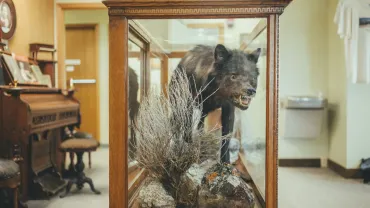
The next time he saw it, he was luckier. His shot hit the beast. According to Israel's son, the animal tried to attack the Hutchins family in its last moments, tearing through a half-inch rope in one champing bite. He said it bled to death trying to reach and attack the family.
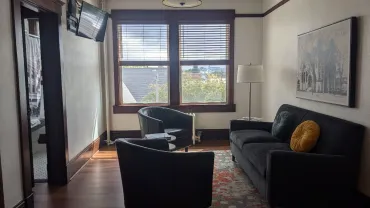
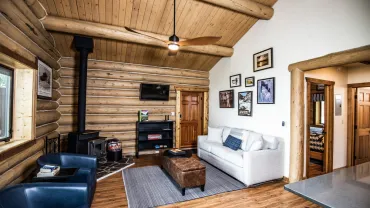
Our room was the Carnegie Suite, which, in addition to a handsome kitchen, living room, and two full bathrooms (one featuring a luxurious walk-in shower), also featured two bedrooms, each with its own television.
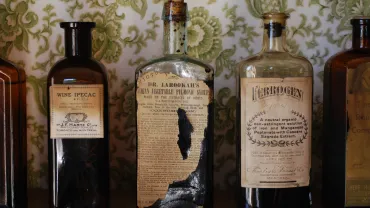
These so-called "patent medicines" thrived during the frontier era. Part of the reason is that the tent shows, presided over by colorful and theatric charlatans, were as much entertainment as medicine.
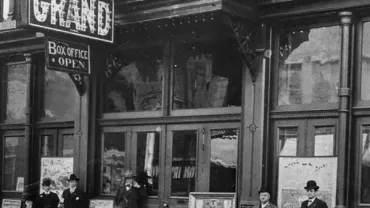
Chaplin’s autobiography lingers on a particular stop along his tour, an American city which, even from the distance of a half a century on and a continent away, he was able to recall vividly: Butte, Montana.
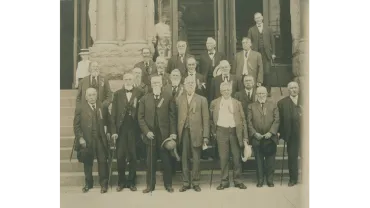
He reiterates again the greatest hits of his career — he was a Pony Express rider, a rider and roper with Buffalo Bill who accompanied him to the World's Fair, and to Europe.
Plenty Coup said that "The Cheyenne, and the Sioux... have always been our enemies... But when I fought with the white man against them it was not because I loved him or because I hated the Sioux and the Cheyenne, but because I saw this was the only way we could keep our lands... And it was my dream that taught us the way."
He flew for two minutes and he exalted, as he always did, at the feeling of flying. He trembled and thrilled, as any of his contemporaneous pilots did, at the perversity of being a being out of its element, a large land mammal zipping through the air like a gull. He must have known, too, that one wrong move and it could all be over.
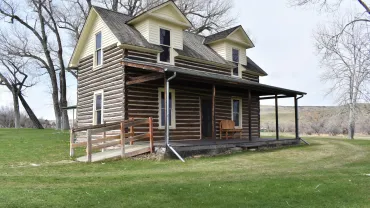
Charlie had camped and stayed in the area we now call Glacier National Park for years before he built a house there, taking inspiration from the stunning scenery and falling in love with the wildlife.
But Havre is not alone in having once had a secret life underground. There are also tunnels under Butte, Missoula, and Billings, some open to the public, some still entombed in the past.
I start thinking about all of the stuff that I presumably went on a getaway to get away from—bills to pay, offices to sit in all day, responsibilities to mind. If you're like me, you get a sort of hangdog feeling a few days after coming back, as if in mourning for your dear departed excursion. I call it the "don't-wanna-go blues."
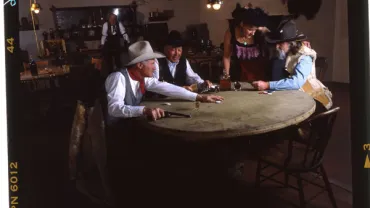
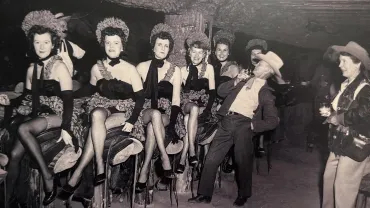
When someone ordered a whiskey ditch at the bar, the "ditch" part was almost literal: the water was collected from a small spring running through the scene in between small trees (cut from the very tops of junipers and then treated with glycerine and formaldehyde).
Every state has their unsolved murders, of which they are justifiably proud (or is it ashamed?), and Montana is no different. Here, then, are six of Montana’s most enigmatic cases. May they send a wintry chill down your spine, and make you glad of your hot cocoa.
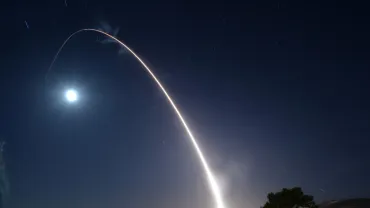
But while the Cold War never escalated beyond proxy wars and nuclear proliferation, it did change Montana, and the landscape of the West, forever. As author Ian Frazier writes, the nuclear missile silo has become "one of the quintessential Great Plains objects," along with the American bison, the prairie dog, and the outhouse.
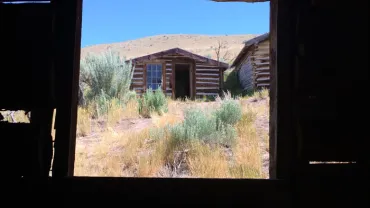
Bannack, named (and misspelled) for the Bannock Indians, was the first territorial capital of Montana and was built on the spot of the territory’s first major gold rush in 1862. The population grew to 3,000 a mere year later, and the town became famous, or infamous, when Sheriff Plummer began moonlighting as one of its most industrious highwaymen.
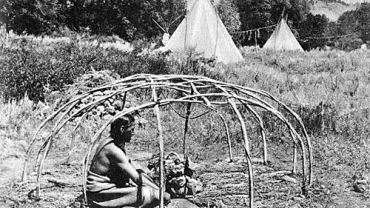
From the Aztecs to the Innuit, sweat lodges were and are employed for their curative, therapeutic, and spiritual effects. And here in Montana, which enjoys a privileged relationship with its old ways, the traditional sweat lodge is vividly alive.
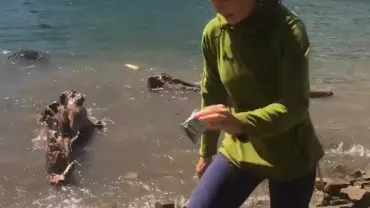
But a family saw the next best thing at Leigh Lake, southwest of Libby, when they noticed a large piece break off the ice field and into the ordinarily placid waters of the lake. Soon the family noticed a five-foot wave heading towards them -- not a common sight in the wilds of Montana.
The fire was set by a 14-year-old elevator boy, the son of one of the Club's employees. The boy was named Harry Anderson. He was what modern parlance calls a pyromaniac: or rather, he liked to see all of the firemen and their horses come to the hotel.