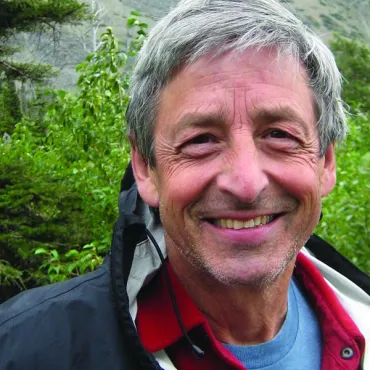
Doug Stevens is a freelance writer, photographer and college educator living near Polson. He has been an avid wilderness backpacker for nearly 50 years and also enjoys fly-fishing, bowhunting, and snowshoeing with his wife, Tania. Access his blog at graytrekker.darkroom.
Both being part Native themselves, it was easy for Ovila and Marie to integrate into both the Native and white cultures of their day. In addition to their native French, which was not an uncommon second language on the Reservation at that time, they learned the Pend d'Oreille (Salish) language of their local friends, as well as English.
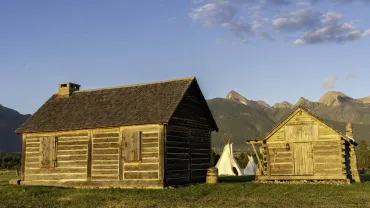
Joe was raised along Post Creek, north of Saint Ignatius, bordering historic Fort Connah on the Flathead Reservation. He was the great-grandson of Angus McDonald, a Scottish fur trapper who settled in the Mission Valley and established Fort Connah in 1846
The geyser basins had already been visited by the Washburn Expedition, but it was the Hayden group who got to see the eruptions of some of the park’s largest geysers. They gave them names such as Giant, Giantess, Grand and Castle.
Lynching at the hands of a group of self-appointed vigilantes was employed in many mining towns across the Western U.S. in the mid-nineteenth century, including Montana. With the legal structure of courts, lawyers and judges lagging well behind the growth and the ensuing lawlessness of each gold strike, expedience was sometimes the preferred instrument to establish “law and order.”
Those winters in northwestern Montana were very challenging, both physically and mentally, even brutal at times. There was constant repair and maintenance work on the post itself, as well as canoe building, firewood collection and hunting.
From the journals, we learn only the bare facts. It was September 4, 1805. They had had a very difficult time climbing out of the North Fork of the Salmon. The steep terrain and deep snow left many of the horses lame from falling. A lack of forage and game left both humans and horses hungry and weak.
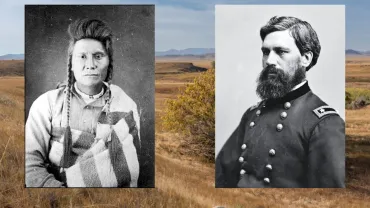
It had been 73 years since the Nez Perce had greeted Lewis and Clark with friendship and pledged peace with the U.S. government, thinking they would get the same respect in return. They were now retracing the Voyage of Discovery's route back through the rugged Bitterroot Mountains on a flight for their lives.
Like Colter before him, the more seasoned trappers did not believe him. For the “greenhorns,” new to the wonders of the American West, he laid it on thick. Believed or not, he surely would have had a captive audience around the fire.
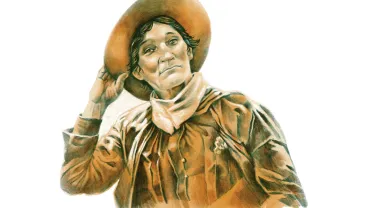
What better way to tap into the nineteenth-century fascination of the perceived free, nonconformist Western lifestyle than a woman who dressed in men's clothes and did stereotypical men things, like army scouting, drinking whiskey and smoking cigars?
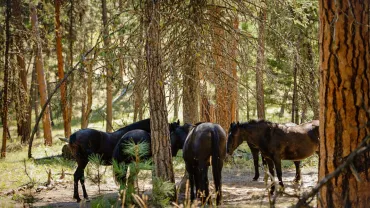
Wild Horse Island is a real “jewel” that shines among Montana’s State Park system. It is the largest island in Montana’s beautiful, pristine Flathead Lake and lies within the boundaries of the Flathead Indian Reservation between Missoula and Kalispell.
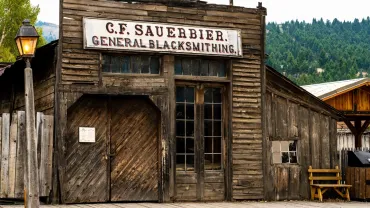
If you are like me, interested in history and the past, Virginia City is quite fascinating and I always enjoy the chance to stop for awhile on my travels through the area.
On April 10, 2012, the State of Montana honored Sarah Bickford by inducting her into the Gallery of Outstanding Montanans in the Capitol Rotunda in Helena. As a former slave who became one of Montana's most prominent early businesswomen, Bickford certainly deserved this honor.
Montana’s Rocky Mountain Front lies to the west of Highways US 89 and 287 from the southern border of the Blackfeet Reservation to south of Augusta. It is where the northern Great Plains meet Rocky Mountains in a dramatic convergence of cliffs and rolling grassy hills.
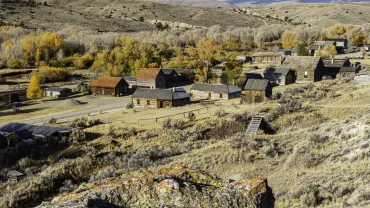
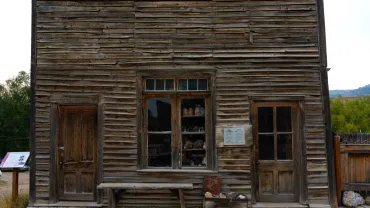
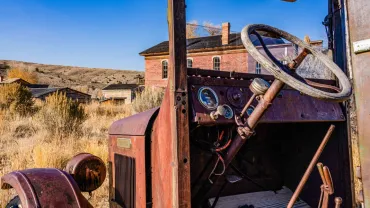
The early history of Bannack is very “colorful” and reads like a Hollywood western. With Virginia City also booming to the north, there was an active stage line between the two gold towns.
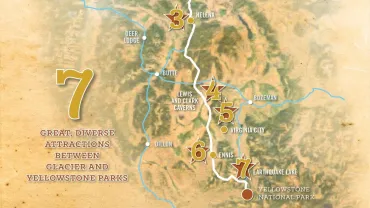
The road between Yellowstone and Glacier offers the less rushed traveler ample opportunities to discover Montana’s renowned “big sky”, its beautiful mountains, blue-ribbon trout streams, as well as its rich cultural heritage, making the drive between the two parks a much more enjoyable and enriching experience.
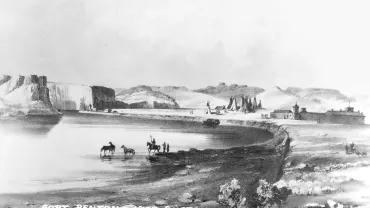
Enter Alexander Culbertson, the most influential person in the establishment and development of Fort Benton. Culbertson joined the American Fur Company in 1829 and soon became the principal trader with the Blackfeet. His wife, Natawista, was of the Canadian Blackfoot Blood Band, which gave Culbertson a great advantage in building trust with area tribes.
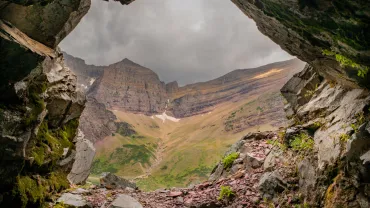
It may surprise many, as it did me, that there are actually abandoned mines and oil wells located within Glacier. The three decades prior to Glacier officially gaining national park status saw a frenzy of mining activity.