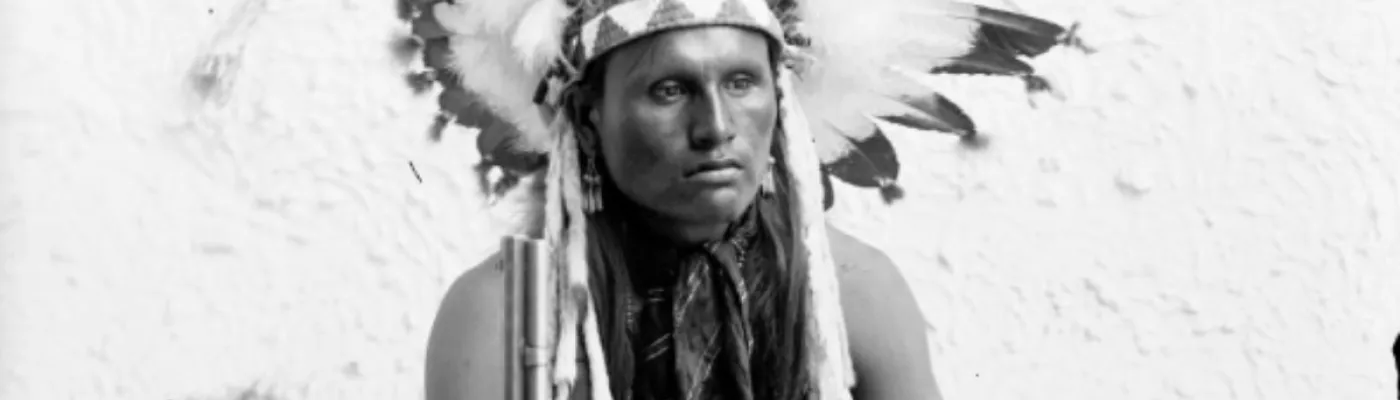
Plenty Coup said that "The Cheyenne, and the Sioux... have always been our enemies... But when I fought with the white man against them it was not because I loved him or because I hated the Sioux and the Cheyenne, but because I saw this was the only way we could keep our lands... And it was my dream that taught us the way."
If Manifest Destiny had a smell, it would surely stink of rotting garbage, excrement, and a heady whiff of BO. Literature and film have cultivated in the American imagination a highly romanticized take on the Old West, but they’ve necessarily left out some of the crustier details of day-to-day hygiene.
By 1854, an estimated 34,000 abandoned or orphaned children filled New York City's streets. Many of their parents had immigrated to America, lured by the promise of free land out West.
On April 10, 2012, the State of Montana honored Sarah Bickford by inducting her into the Gallery of Outstanding Montanans in the Capitol Rotunda in Helena. As a former slave who became one of Montana's most prominent early businesswomen, Bickford certainly deserved this honor.
Those winters in northwestern Montana were very challenging, both physically and mentally, even brutal at times. There was constant repair and maintenance work on the post itself, as well as canoe building, firewood collection and hunting.
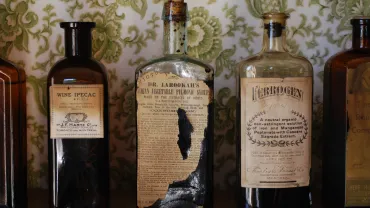
These so-called "patent medicines" thrived during the frontier era. Part of the reason is that the tent shows, presided over by colorful and theatric charlatans, were as much entertainment as medicine.
The fire was set by a 14-year-old elevator boy, the son of one of the Club's employees. The boy was named Harry Anderson. He was what modern parlance calls a pyromaniac: or rather, he liked to see all of the firemen and their horses come to the hotel.
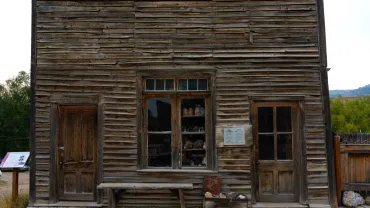
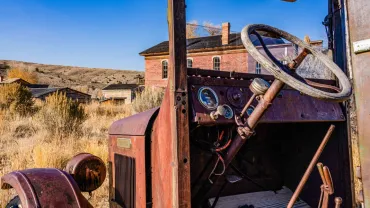
The early history of Bannack is very “colorful” and reads like a Hollywood western. With Virginia City also booming to the north, there was an active stage line between the two gold towns.