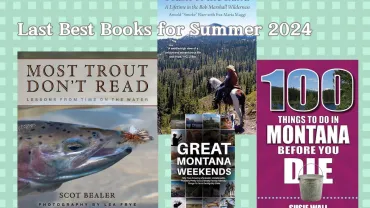
These true tales include terrifying grizzly encounters, the quietly elegiac story of finding a dead man propped against a tree in the Bitterroot, a frantic struggle to stop a spreading wildfire, days spent in the sun and nights spent camping under the stars.
Like the Medical Clinic, all of the exhibits are intended to promote "real-life play." In the wonderfully imaginative displays children will explore a different side of Great Falls, here reimagined as the kid-sized community of "Little Falls."
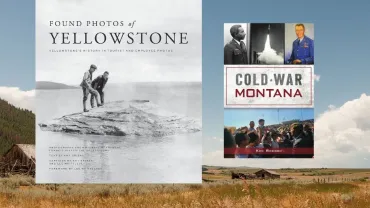
"Found Photos of Yellowstone" offers a beautiful and unexpectedly intimate portrait of America's favorite National Park, a history of the place told exclusively through the antique photos of tourists and employees of the Park.
Two or three weeks after the setting forth of two groups of gold seekers, with their belongings on pack horses, a smaller party, only three persons, rode off in the same general direction, toward the Yellowstone River, but for another purpose. They were going to mark the way that became known as the Bozeman Trail.
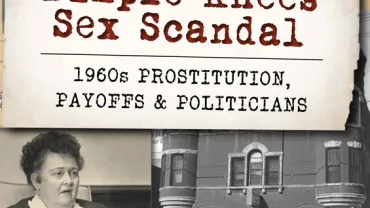
Beverly Snodgrass owned two of Butte’s leading houses of prostitution. In 1968, the talkative madam, her affections scorned by an official she called “Dimple Knees,” who stole her heart and then her money, decided to tell her story to a newspaper reporter.
The fire was set by a 14-year-old elevator boy, the son of one of the Club's employees. The boy was named Harry Anderson. He was what modern parlance calls a pyromaniac: or rather, he liked to see all of the firemen and their horses come to the hotel.
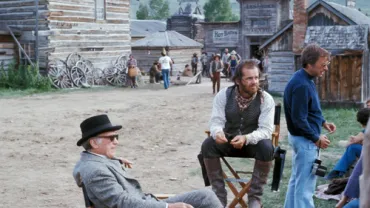
The Big Director gets on his chair with the camera attached to the hydraulic crane and yells, “Back to one!”, meaning everyone is at their starting position. For me, it’s sitting in front of my keno machine, ready to repeatedly push a button. “Masks off!” the Big Director yells.
Major Eugene Baker of the Second Cavalry was sent to punish the Piegan (Blackfeet) village of Mountain Chief who was thought to be harboring the murders of Malcolm Clarke, prominent Montana rancher. Instead, the Calvary mistakenly attacked the village of Heavy Runner, known to be peaceful.
In 1886 the U.S. Cavalry was assigned the protection of the park, and they took the assignment very seriously, patrolling the park throughout the year.
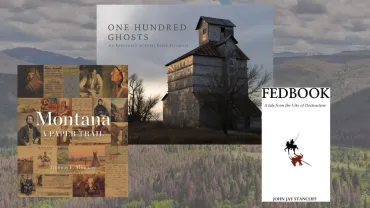
To see all of the grain elevators in Blaine Hadfield's gorgeously photographed and researched coffee table book, you'd have to travel thousands of miles. And even if you did see them with your own eyes, it probably wouldn't be as pretty as the photos Hadfield has included here.
What was this world, where men's shirts could never keep their pecs in check, and women’s heaving bosoms were always in danger of exploding from their bodices like a stop-valve under too much pressure?
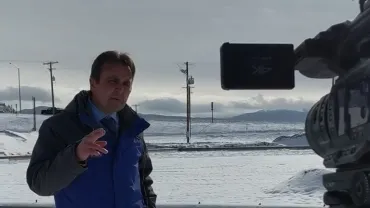
I’ve worked for more than 20 years as a newspaper reporter, and the last seven years as a television news reporter for KXLF in Butte. It’s important to note that it takes a dedicated and talented team to put together the daily broadcasts. Each day we start from zero to produce what, at times, seems like a daily miracle.
The debut collection from author Michael Carter marks him as a Montana writer to watch, someone so good at mixing genre elements that he might just be unfairly overlooked in a field that too often confuses realism with seriousness.
Erik Ole Nelson, Ole to his friends, creates one-of-a-kind sculptures and signs all over Montana. And if you've been to Bozeman or Missoula recently, chances are you've seen and admired his work.
Yet become citizens many of them did, including some whose descendants still live and prosper in Montana to this day. Johnson's book tells the story of the Chinese immigrant experience in Montana in the late 19th century, drawn from a cache of recently translated material from the Montana Historical Society.
The mine’s employees were often paid in “shin-plasters” and “brass checks.” A shin plaster was a derogatory name for paper scrip. Often of absurdly low denominations, they had the reputation of being as worthless as any slip of paper the men used as padding in their socks to keep their boots from rubbing on their shins.
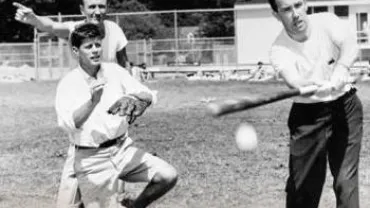
Never mind that Frank James Burke — most often referred to as “Brownie and best known for standing just four feet, seven inches — started out as a mascot. Despite his small stature, the Marysville native ended up making a big impact on the national pastime.