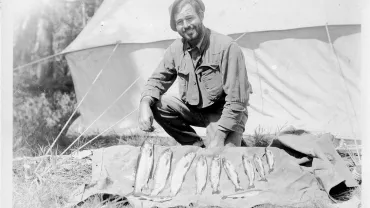
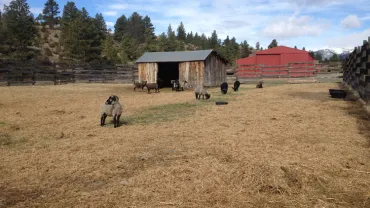
Hemingway’s time in the Yellowstone High Country began on July 13, 1930, when he first crossed the Clark’s Fork and settled onto the L—T Ranch ten miles outside of Cooke City, Montana. The ranch was owned by Olive and Lawrence Nordquist; the “L” and “T” stood for the first and last letters in the latter’s name.
The mine’s employees were often paid in “shin-plasters” and “brass checks.” A shin plaster was a derogatory name for paper scrip. Often of absurdly low denominations, they had the reputation of being as worthless as any slip of paper the men used as padding in their socks to keep their boots from rubbing on their shins.
Matt Suess has been a full-time professional photographer since 1990. A photojournalist for 17 years in New England, Matt has been a landscape/nature photographer, educator, and publisher since 2006 when he moved West. Matt exhibits in Arizona each winter
Major Eugene Baker of the Second Cavalry was sent to punish the Piegan (Blackfeet) village of Mountain Chief who was thought to be harboring the murders of Malcolm Clarke, prominent Montana rancher. Instead, the Calvary mistakenly attacked the village of Heavy Runner, known to be peaceful.
Two or three weeks after the setting forth of two groups of gold seekers, with their belongings on pack horses, a smaller party, only three persons, rode off in the same general direction, toward the Yellowstone River, but for another purpose. They were going to mark the way that became known as the Bozeman Trail.
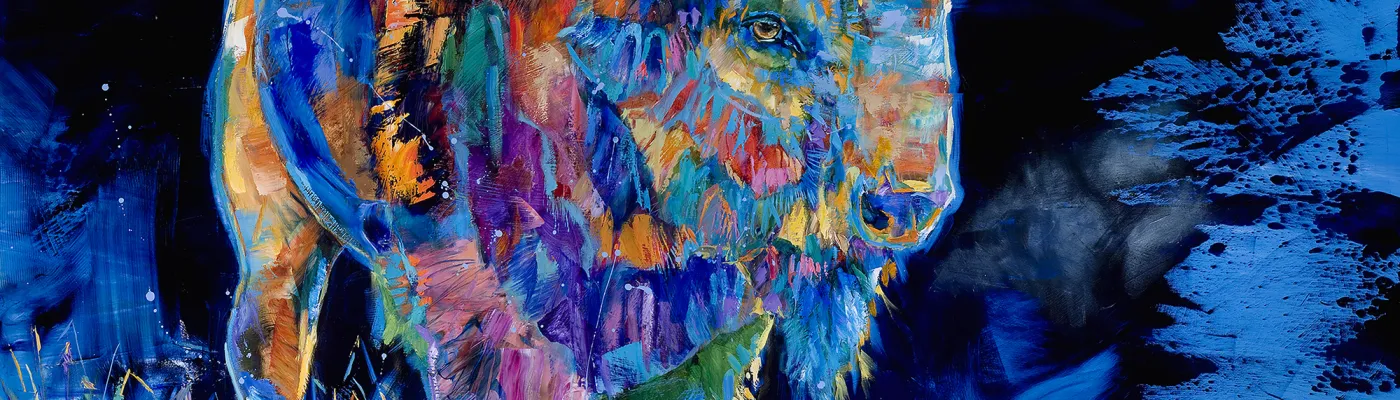
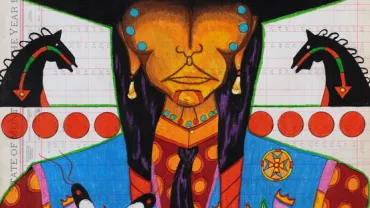
The Baker Massacre—what many Blackfeet call Bear River Massacre because they would rather not speak Baker’s name—is still too vivid and raw for Guardipee to paint. Pepion has never painted it either.
The phrase "words can't describe it" is often used when a person is trying to articulate something either extremely good or extremely bad. And mere words definitely could not describe the extremely bad winter of 1886-87 for the Montanans who experienced it.