This was the hellish reality facing Montana's 163rd Infantry Regimental Combat Team in the steaming jungles of Papua New Guinea. The men from Montana's small towns—farm boys and ranch hands, miners and shop clerks—were in jungle hell-holes, L-shaped to help them survive rolling grenades.
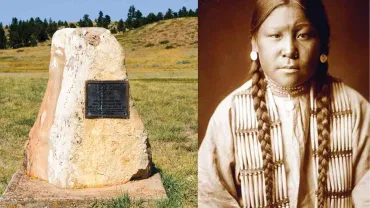
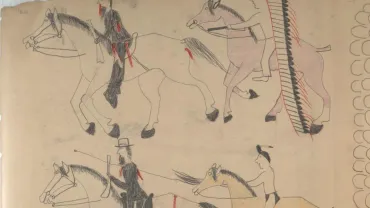
Buffalo Calf Road Woman did not hesitate to ride straight into the teeth of enemy fire and rescue Comes in Sight from what would have been almost certain death.
Eventually, the escalating violence, particularly in Helena, became so overwhelming that newspaper editor Robert Fisk famously called for stemming the tide of recent vigilante terror by returning to "decent ordinary lynching."
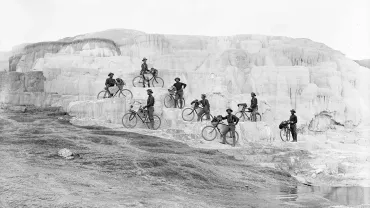
The second, longer trip was a roundtrip to Yellowstone National Park. Supposedly they now had “puncture-proof” tires. In addition to the necessary provisions, each rider carried either a 10-pound rifle or a revolver and each had a 30-round cartridge belt and half of a tent.
He was still handsome in a way that even time and illness couldn’t diminish. His looks, which had inspired a poem by an anonymous English woman who, apparently speaking for much of the female population of Victoria’s kingdom, had called him “[n]ature’s perfected touch in form and grace.”
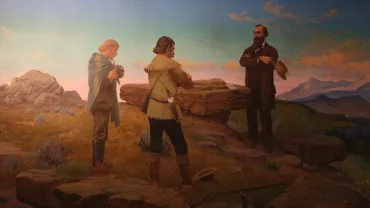
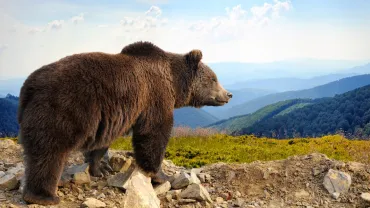
Enormous bear tracks wended their way along the shore and in between the heaps of ripening meat, but a disappointed Lewis wrote that "we have not as yet seen one of these anamals... the men as well as ourselves are anxious to meet with some of these bear."
Frank Little was a vocal agitator who was famous for risking life and limb to spread the gospel of the Industrial Workers of the World, a global union which many other domestic unions, such as the American Federation of Labor, regarded as too radical.
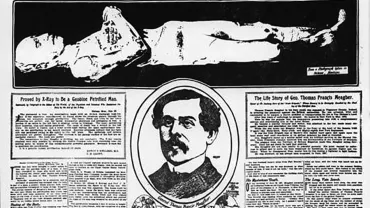
So, amid the larger profusion of oddities like two-headed animals, conjoined piglets, Fiji mermaids, ancient Viking runestones found buried in midwestern fields, bearded ladies, pickled punks, "savages", and other bizarre traveling attractions, there emerged a very specific and surprisingly popular variety: the petrified man.
Out of curiosity, not bloodlust, twenty-one-year-old George Bruffey stood with the Nevada City mob. Townsfolk had turned the wood frame of an under-construction store into gallows.
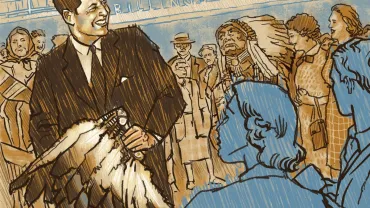
They took meetings all day. Eventually, Kennedy got hungry. Wally Wong, the owner of House of Wong, was phoned and asked if he could arrange an off-the-menu request: Senator Kennedy would like some cream soup. Wong indicated he would provide it, and every indication suggests Kennedy thought it was excellent, if not Wong's typical fare.
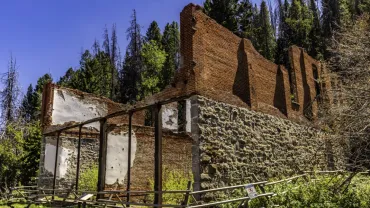
Granite was founded in the 1870s, situated over a few particularly rich veins of silver ore. It was a big enough town to have neighborhoods roughly divided by country of origin, with a Finnish street, a Cornish street and, of course, an Irish street.
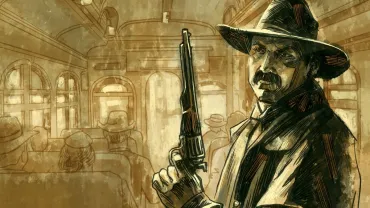
Harvey Logan, better known as Kid Curry to his friends and enemies, was no stranger to Mon - tana. As a matter of fact, his criminal career had started here. It was where, some years earlier, he had committed his first murder.
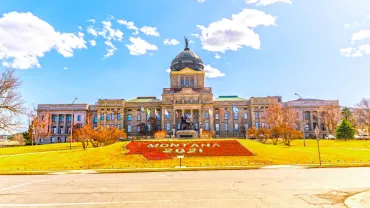
Gold attracted people to the region, and Helena’s “main street” is a memorial to the early prospectors. Much of Last Chance Gulch is a pedestrian mall, and the turn-of-the-century architecture lining the sidewalks attracts the eye, just as the various window displays attract shoppers.
Daly spent about $2.5 million on the Anaconda campaign, while Clark spent $500,000 on his own campaign for Helena. Helena won the second referendum, helped out by 40% of the Butte vote and overwhelming support from eastern Montana.
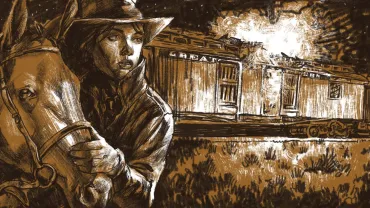
Newspapers sensationalized her story. Some claimed she led the robbery, firing recklessly beneath a mask. Others called her astonishing, staggering, unprecedented—a woman who dared ride with train robbers. The truth was less theatrical but no less extraordinary: she had taken part, disguised as a man, and helped facilitate one of the most daring robberies in Montana history.
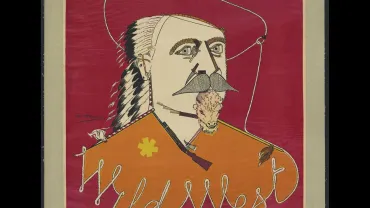
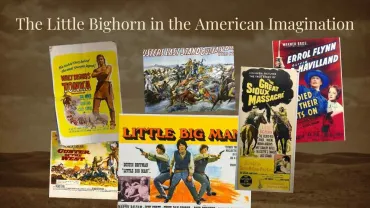
1955 Chief Crazy Horse, starring Victor Mature, is released to a largely tepid reception. It is, however, notable for taking a withering view of Custer's command. He is revealed, by the end, to have been incompetent. The first hints of sympathy for the Native American combatants sneaks into the narrative.
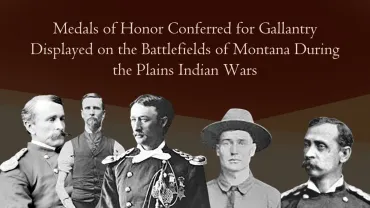
The largest Medal of Honor award ceremony in Montana history occurred on July 18, 1877, at Cantonment on Tongue River, where General William T. Sherman pinned medals on the dress coats of 31 enlisted men, all of whom served under the command of Colonel Nelson Miles during the winter campaign of 1876-1877.
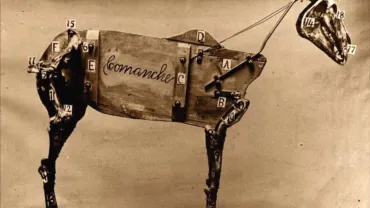
Sturgis made provisions that a "special and comfortable stall" be prepared for the horse, and that he would no longer "be ridden by any person whatever under any circumstances, nor will he be put to work."
The next day they were honored by a parade. According to surviving accounts, as they walked through the encampment, two old men walked on either side of the procession intoning, "Look at these men for the last time they will be alive; they have thrown their lives away." Around noon, Reno's men attacked the village and the battle began.
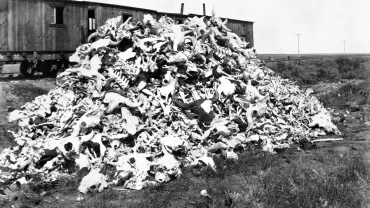
There was a market for their tongues in the trendy restaurants of the East, selling for $8 - $9 for a dozen. And "buffalo hump" was also a Christmas tradition for many in the West - an 1846 holiday feast at Fort Edmonton served "boiled buffalo hump," "boiled buffalo calf," and "whitefish browned in buffalo marrow."