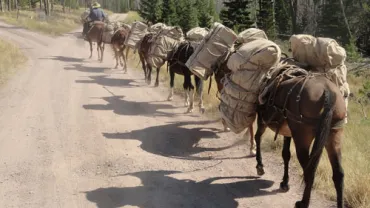
Back country Horsemen is a Montana-made idea that has its roots deep in the spirit of Montana’s wild back country. The concept began on a chilly late fall evening in 1971 when four men sat around a campfire deep in the Bob Marshall Wilderness.
Montana’s highways and byways really are perfect for podcasts. Thousands of miles are coiled along our beautiful state’s long and winding roads. Even with the radio on, and beautiful scenery to distract, our lonesome, dusty roads can stretch on and on.
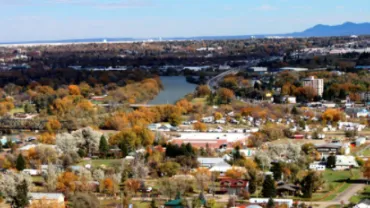
The ninth-largest city of Montana, Havre stands a handful of miles away from the Canadian border in North-Central Montana. Havre flourished by riding on the back of the former Great Northern Railway and a major stop on U.S. Highway 2 in later years.
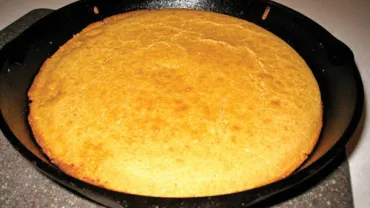
Corn was a well-established English word for any type of edible grain such as wheat, rye, barley, and the like. In this tradition, English speakers began calling the native maize “Indian Corn.” In time, American colonists and their descendants adopted and adapted “Indian Corn” preparations into such traditional dishes as corn pone, chowder, hominy, spoonbread, succotash, hush puppies.
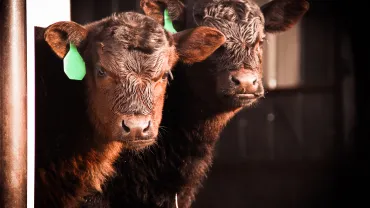
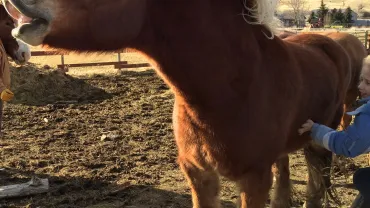
Her body’s muscling and fat cover rival those of cows one-fifth her age, but the reality of time is less hidden in the telltale angles and shadows of her fa
In 1982, a pair of enthusiastic University of Montana graduate students walked into the office of wildlife biology professor and pioneering bear biologist, Dr. Charles Jonkel, fired up about the plight of the grizzly bear.
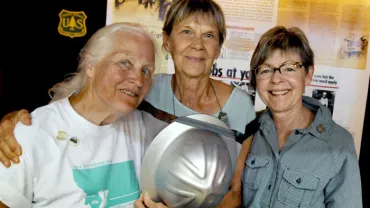
Dolly Browder’s life story is one of milestones, not simply for Montana, but for women across the United States. Along with two other women, Zona Lindemann and Marcia Hogan, Browder formed the first paid fire-fighting crew for the US.
Perhaps one of the most significant towns that originally came about because of the railroad is Great Falls, although Great Falls developed a strong foundation around many other industries after its founding.
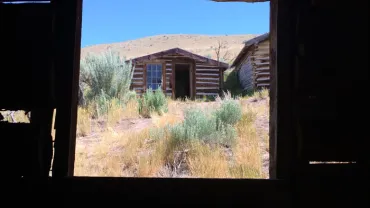
Bannack, named (and misspelled) for the Bannock Indians, was the first territorial capital of Montana and was built on the spot of the territory’s first major gold rush in 1862. The population grew to 3,000 a mere year later, and the town became famous, or infamous, when Sheriff Plummer began moonlighting as one of its most industrious highwaymen.