
Montana Historical Society Names 2026 Research Fellows
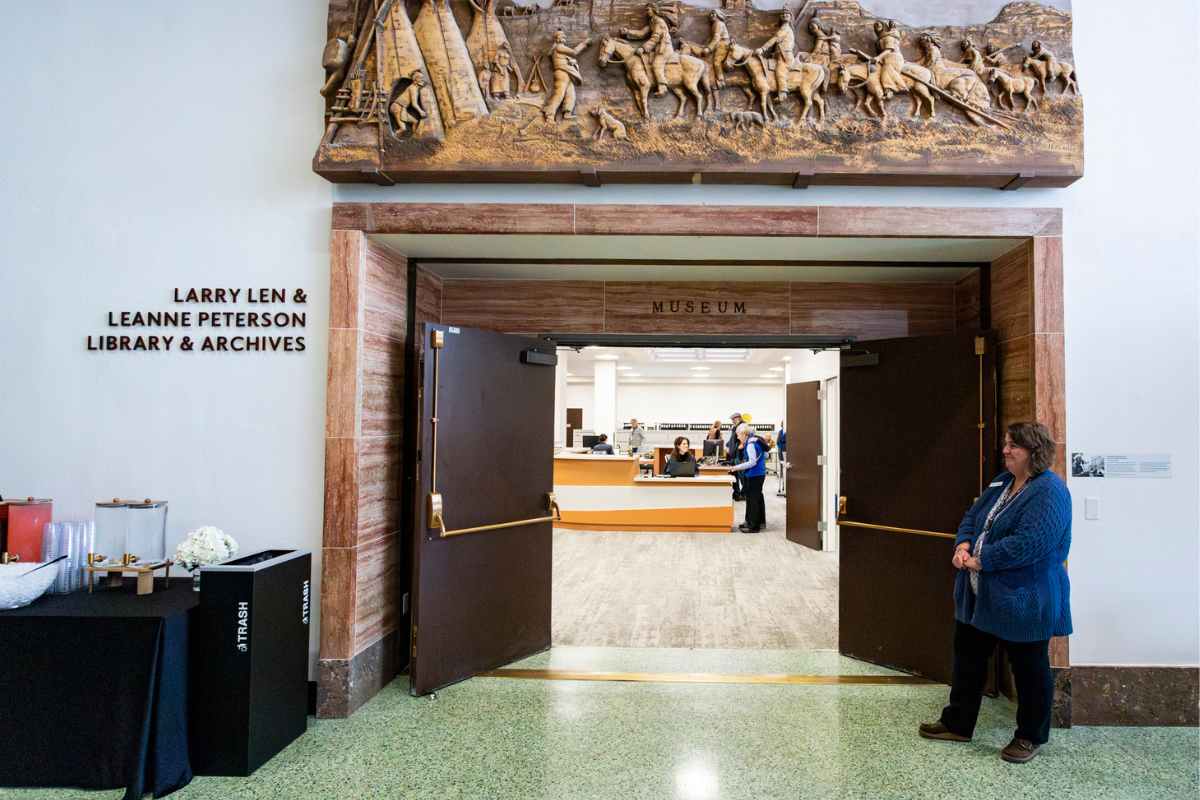
After a three-year pause for construction of the Montana Heritage Center, the Larry Len and LeAnne Peterson Library and Archives at the Montana Historical Society is welcoming researchers again. This spring, three fellows will settle into the newly opened reference room to pursue projects that, taken together, cover a remarkable range of the state's past — from treaty-era displacement in the Judith Basin to the sounds of the open range to a nearly forgotten fort in northern Blaine County.
The fellows were selected through programs that have operated since 1983, supporting 91 scholars over four decades. That work has produced more than 30 articles in Montana The Magazine of Western History and more than 10 books.
"Each of their projects speaks to a different dimension of Montana's history," said Roberta Gebhardt, the library and archives program manager, "and together they reflect exactly the kind of rigorous, community-centered scholarship these fellowships were created to support."
Sally Thompson, recipient of the James H. Bradley Fellowship, is researching "In the Blink of Napi's Eye: Cultural Transformation of the Judith Basin, 1855–1888." Her project traces the three decades following the Judith River Treaty of October 1855, following individuals and families season by season through the years when tribal bison hunters were displaced by cattle ranchers, with the federal government's active assistance. The Bradley Fellowship supports academic research making a significant contribution to Montana history.
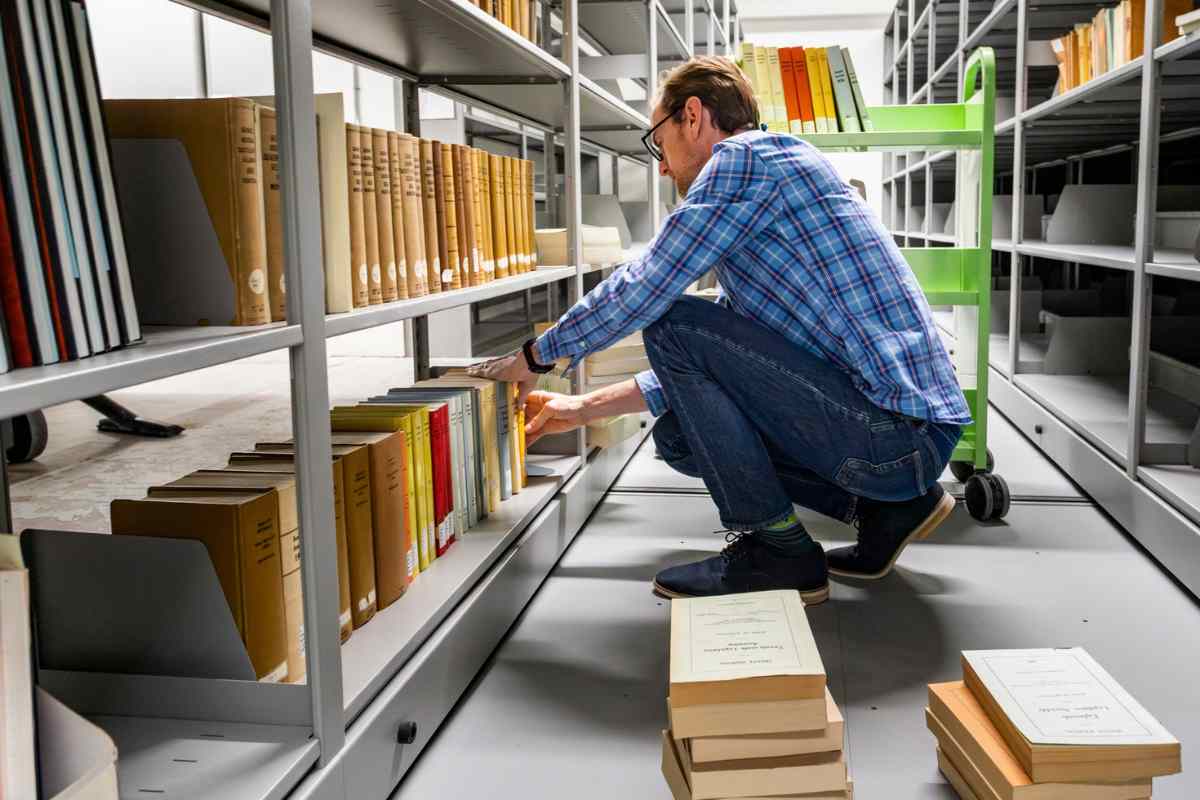
Samantha French, awarded the Dave Walter Research Fellowship, is working to recover the history of Old Fort Belknap — established in the early 1870s as a subagency for the tribes of the Milk River Valley and one of the earliest commercial centers in what is now northern Blaine County. The fort was a hub of interaction between the Aaniiih and Nakoda peoples and the federal government, and home to the region's first non-Native residents. Two original buildings still stand at the site southwest of Chinook, but no historical signage marks them, and the fort is largely absent from local museums. French's research aims to change that, recovering this history for the Blaine County community and informing future preservation efforts. The Dave Walter Fellowship supports public history projects focused on local Montana history.
Arizona Duff, this year's Montana History Network Fellow, is examining cowboy music not as folklore or nostalgia but as a primary historical source. Her project, "Echoes of the Open Range: Montana Cowboys, Music, and Working-life Soundscapes, 1890–1950," draws on songs, oral traditions, audio recordings, and performance to explore how working conditions, identity, and environmental relationships shaped — and were shaped by — the sounds cowboys made and heard across six decades. The project engages sensory history, a growing field that treats the aural dimensions of the past as legitimate evidence. Duff will conduct research at all three institutions in the Montana History Network: the Montana Historical Society, Montana State University, and the University of Montana. The fellowship supports students enrolled in master's or doctoral programs in history or a related field at a Montana university.
The fellows will be in residence between May and October 2026. More information about the fellowship programs is available at mths.mt.gov/research/fellowships or by contacting the library at mthslibrary@mt.gov.





Leave a Comment Here